Short Answer
In the fall of 1918, the streets of Philadelphia were eerily quiet. The Liberty Bell had not rung, but the city was ringing with the sound of church bells tolling for the dead. On a single October morning, a visitor might see a funeral procession every few blocks, each one small because so many had died. The dead were not buried in caskets but in plain pine boxes, stacked in the hallways of hospitals and on the porches of homes. The city’s doctors, many of them young and newly graduated, worked until they collapsed. The flu had come to America’s cities, and it was not a mere influenza. It was a plague that would kill more Americans than the Great War that was just ending.
What Happened?
The second wave of the 1918 influenza pandemic arrived on American shores in late summer, carried by doughboys returning from the trenches of France. The virus, which had first appeared in military camps in the spring, mutated into a far deadlier strain. In August 1918, it struck Boston, then moved quickly to New York and Philadelphia, and from there it traveled westward along rail lines and troop trains to St. Louis, San Francisco, and every city in between.
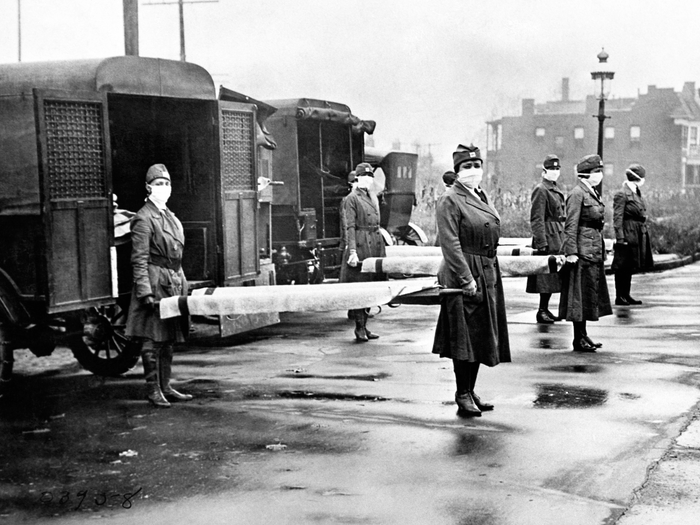
Lacking a vaccine or even a known cause, mayors and health officials improvised. Some cities, like St. Louis, acted quickly, closing schools and banning public gatherings within days of the first cases. Others, like Philadelphia, delayed. On September 28, 1918, Philadelphia held a Liberty Loan parade, despite warnings from the city’s health officer. Within two weeks, the city was overwhelmed. The hospitals were full, and the death toll climbed to over 12,000 in the city alone by the end of the year.
By the time the pandemic subsided in early 1919, an estimated 675,000 Americans had died. The disease struck the young and healthy with a ferocity that shocked doctors. It killed more Americans than the war itself, and its impact on daily life was profound.
How It Was Seen at the Time
At the time, the flu was a mystery. The cause was unknown—the virus would not be isolated until 1933—and many believed it was a new form of plague or a punishment from God. The language of the day was one of confusion and fear. The newspapers called it “Spanish Influenza” because Spain was neutral and reporting openly, but the disease was not Spanish. Many people believed it was a secret weapon of the Germans, a rumor that spread as fast as the virus.
“The city is in no danger from the influenza.” — Philadelphia Inquirer, September 19, 1918
That quote, printed in the Philadelphia Inquirer, reflected the early complacency that cost the city thousands of lives. As the death toll rose, the tone changed. The San Francisco Chronicle warned: “The mask is the only safeguard.” Mayors and health officers urged citizens to wear gauze masks, and some cities made it a crime to be without one.
Historical Snapshot
| Aspect | Detail |
|---|---|
| Date | August 1918 – March 1919 (peak: October 1918) |
| Place | American cities, from Boston to San Francisco |
| People | Urban populations, soldiers, health officials, nurses, mayors |
| What Happened | A deadly influenza pandemic spread rapidly, killing 675,000 Americans and disrupting all aspects of city life |
| Why It Mattered | It exposed the fragility of public health systems and changed how cities responded to epidemics |
Contemporary Newspaper Coverage
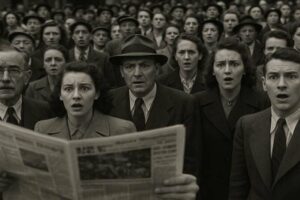
Newspapers were the primary source of information for most Americans, but their coverage was often inconsistent. Some papers downplayed the disease to maintain public morale during the war. The Philadelphia Inquirer, for example, printed reassuring headlines even as the death toll mounted. In early October, the paper reported: “The epidemic is under control,” but the city was already overwhelmed.
“The influenza is not a new epidemic, and the health authorities are in full control.” — The Philadelphia Inquirer, October 3, 1918
Other papers, like the San Francisco Chronicle, were more direct. They published daily death counts and urged the use of masks. The Chronicle of October 22, 1918, warned: “The mask is a big price to pay for safety, but it is a small price compared to death.” The press also carried ads for remedies, many of which were useless or harmful, and for “flu tonics” that promised cures.
Eyewitness Accounts
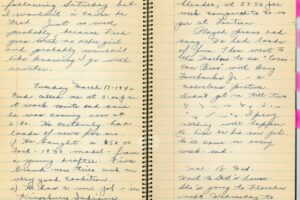
The most vivid records of the pandemic come from those who lived through it. Nurses and doctors left harrowing accounts of their days. A nurse in Philadelphia wrote to her family in a letter dated October 15, 1918:
“The bodies are piled in the hallways like cordwood. We have no time to bury them. I am so tired, but I cannot stop. The patients die so fast, I do not know if I am a nurse or a grave-digger.”
An ordinary citizen in St. Louis kept a diary that recorded the sudden emptiness of the streets:
“October 1918. The city is like a ghost. The schools are closed, and the theaters are dark. I went out to buy bread, and the streets were empty. I saw a man collapse on the sidewalk, and no one dared to help him for fear of the flu.”
These accounts show the fear and the disruption, but also the resilience of those who continued to work, to nurse, and to bury the dead.
Daily Life
Daily life in American cities was turned upside down. In cities like San Francisco, a mask ordinance required all citizens to wear a gauze mask in public. The mayor, James Rolph, issued a proclamation: “Wear a mask and save your life.” People were fined if they were caught without one. The masks were uncomfortable, hot, and often ineffective, but they were a constant reminder of the invisible enemy.
Schools, churches, theaters, and saloons were closed in many cities. In St. Louis, the health commissioner closed schools and banned public gatherings on October 5, 1918, and the city saw a lower death rate than Philadelphia, where such measures were delayed. In cities like Philadelphia, the dead were collected by horse-drawn wagons, and the corpses were buried in mass graves. The daily routines of shopping, working, and even walking to the corner were filled with risk.
Restaurants and shops were closed or operated on a limited basis. People wore masks to work, and many businesses switched to home delivery. The streets were sprinkled with disinfectant. The war effort was still on, and the factories continued to produce, but the workers were sick and the output fell.
What People Feared
People feared the disease itself, but they also feared the unknown. The flu killed quickly; a person could be healthy in the morning and dead by night. The fear of the disease was compounded by the fear of the war and the fear of the future. Many believed that the disease was a sign of the end of times. Others feared that the war would be lost because the soldiers were sick. There were rumors of German spies spreading the disease, and the fear of the “Spanish flu” was mixed with the fear of the enemy.
There was also the fear of the economy. The pandemic had shut down the businesses, and the markets were unstable. The workers were sick, and the war industries were short of labor. The fear of the disease was also the fear of the unknown, because no one knew how to prevent it or cure it.
Aftermath
The pandemic ended as suddenly as it began. By early 1919, the death toll in the United States was over 675,000, and the world death toll was in the tens of millions. The cities began to reopen. The schools and theaters reopened, and the masks were removed. But the memory of the dead remained. The pandemic had changed the way the cities thought about public health. In the years after, cities established health departments, and the government began to track disease more carefully. The 1918 pandemic was a turning point, but it was also a forgotten war, overshadowed by the First World War. It was not until the 21st century that the pandemic was studied in detail, and the lessons of 1918 became a guide for future pandemics.
The primary sources from 1918 teach us that the pandemic was not just a medical event, but a social and political one. The decisions of mayors and health officials, the behavior of the public, and the courage of nurses and doctors were all recorded in newspapers, diaries, and letters. These sources remind us that the past is not a distant, but a story of people who lived, suffered, and died, and who left us a record of their experience.
FAQ
What was the 'Spanish flu'?
The Spanish flu was the 1918 influenza pandemic that killed an estimated 675,000 Americans and 20 to 50 million people worldwide. It was called 'Spanish' because Spain, being neutral in World War I, reported the disease openly, while other countries censored the news. The virus was not from Spain.
How did American cities respond to the pandemic?
Responses varied. Some cities, like St. Louis, closed schools and banned public gatherings early, which reduced mortality. Others, like Philadelphia, delayed, allowing the disease to spread rapidly. Many cities required masks, and some, like San Francisco, passed mask ordinances.


Leave a Reply