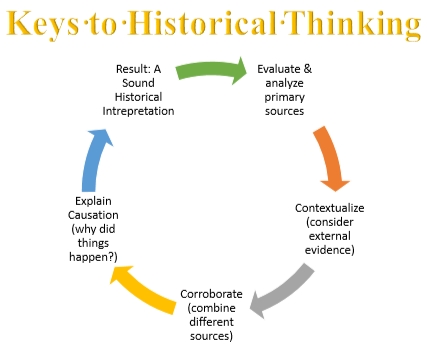
How Historians Evaluate Conflicting Accounts
Learn how historians compare conflicting accounts using sourcing, context, corroboration, independence, chronology, perspective, and evidence.

Types of primary material used for historical reconstruction.
Learn how historians compare conflicting accounts using sourcing, context, corroboration, independence, chronology, perspective, and evidence.
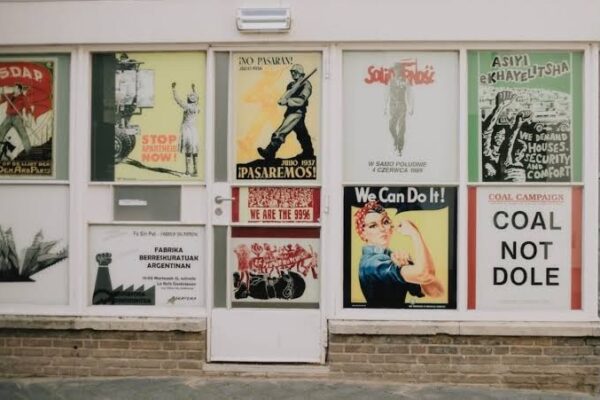
Learn how historians analyze propaganda as a primary source by examining audience, purpose, emotion, imagery, context, omissions, and historical impact.
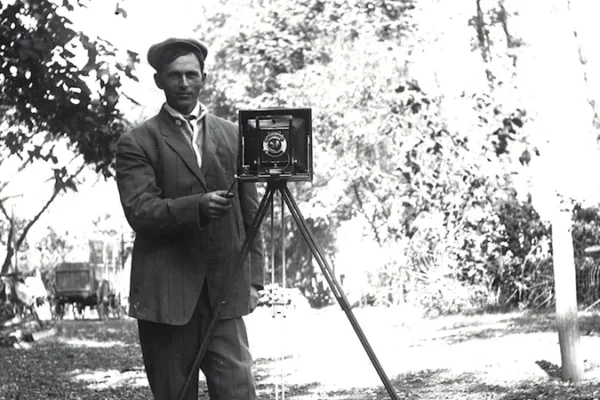
Learn how historians use photographs as primary sources, analyze visual evidence, evaluate captions and context, and avoid misleading interpretations.
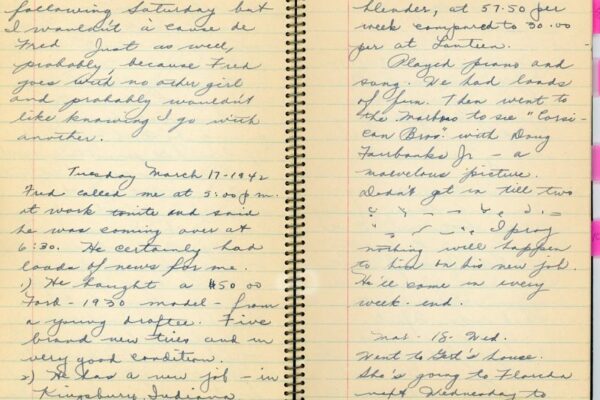
Learn how to read old letters and diaries, decipher historical handwriting, transcribe documents, understand context, and use personal writings as evidence.
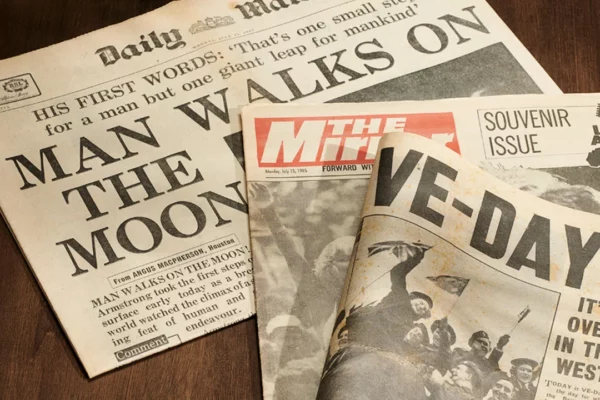
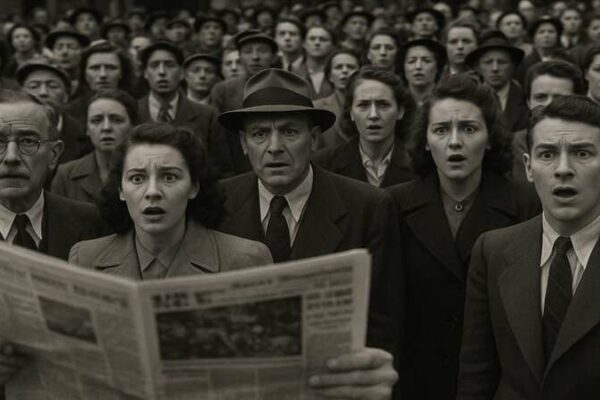
Learn how to use historical newspapers as primary sources, evaluate bias, search old newspapers, verify reports, and interpret news as historical evidence.
Learn how reliable eyewitness accounts are, why memory can change, and how historians test firsthand testimony using context and corroboration.
Discover how eyewitness accounts help historians reconstruct the past, what firsthand testimony can reveal, its limitations, and how historians test it.
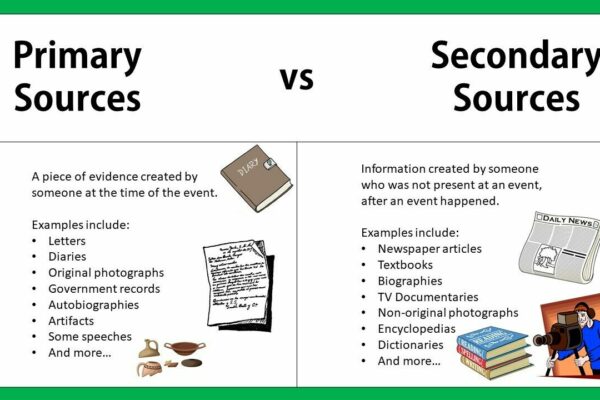
Learn the difference between primary and secondary sources, see clear historical examples, and discover how historians use both types of evidence.
Learn how historians read primary sources using sourcing, context, close reading, corroboration, perspective, and evidence-based interpretation.
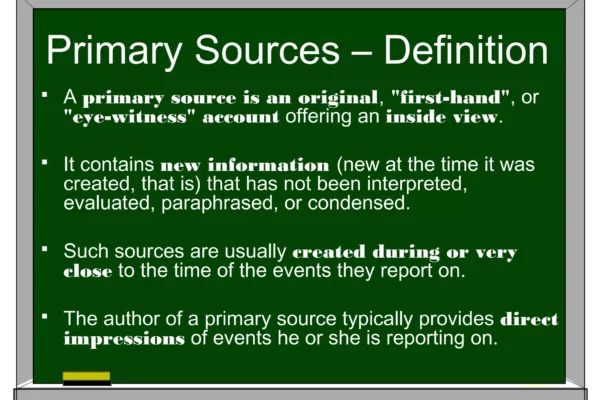
Learn what a primary source is, how historians analyze primary evidence, common source types, reliability limits, and how to use sources responsibly.