Shanghai in the 1930s: International Settlements, Refugees, and Modern City Life

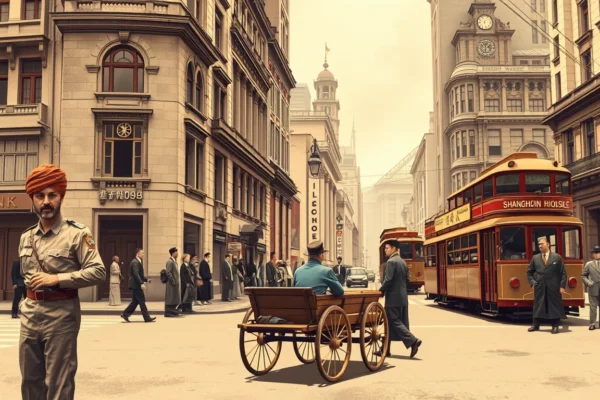
In the 1930s Shanghai was three cities in one: a British-dominated International Settlement, a French Concession, and a Chinese municipality. Drawing on municipal reports, the foreign and Chinese press, and the memoirs of residents and refugees, this article reconstructs how a modern metropolis of jazz and department stores absorbed a million migrants and then a war.

Read More →

Pearl Harbor: What Washington Knew Before December 7

Washington was reading Japan’s most secret diplomatic messages in the weeks before Pearl Harbor — the ‘bomb plot’ telegram, the November war warning, the fourteen-part rupture note. This article reconstructs exactly what American officials knew, what they misread, and why the warning never reached Hawaii in time, drawing on MAGIC intercepts, official inquiries, and the diaries of the men in the room.

Read More →

John Hersey’s Hiroshima: How One Reporter Changed American Memory

When The New Yorker devoted its August 31, 1946 issue to John Hersey’s Hiroshima, readers expected a magazine and found a moral document. Hersey followed six survivors through the blast, fires, injuries, and radiation sickness, using plain detail rather than official statistics. The article became a book and a landmark of narrative journalism, reshaping how Americans pictured the atomic bomb.

Read More →

Honolulu During World War II: Martial Law, Rationing, and Daily Life

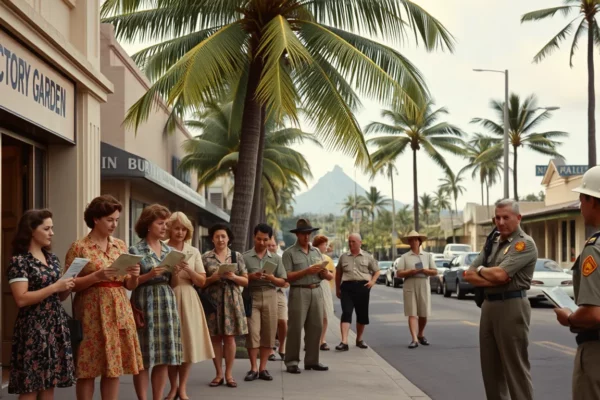
From December 1941 to October 1944, Honolulu lived under a military governor whose General Orders controlled curfews, blackouts, censorship, and rationing. Contemporary newspapers, oral histories, and official records show how residents navigated gas-mask drills, ration books, and rumors of invasion while debating the cost to civil liberties. This article reconstructs that experience from primary sources, distinguishing wartime propaganda and rumor from documented policy.

Read More →

Vienna Under Four Flags: Occupation, Hunger, and the Divided City, 1945–1955

After the fighting ended in April 1945, Vienna was occupied by four Allied powers and divided into sectors, with the First District administered jointly. Viennese faced bombed housing, broken utilities, five ration systems and a flourishing black market at the Naschmarkt and Resselpark. Diaries, ration cards and relief parcels show how occupation was experienced as both liberation and deprivation, until the Austrian State Treaty ended it in 1955.

Read More →