
Short Answer
In the spring of 1943, inside the Rohwer Relocation Center in Arkansas, a young man named Richard Shizuo Yoshikawa aimed his camera at a football team lined up in front of a row of tar-paper barracks. The players, wearing jerseys with numbers, smiled for the shot. Yoshikawa was one of the many Japanese Americans who, despite being forcibly removed from their homes, documented their own experience in the camps. His photographs, along with his family’s letters, are part of the Yoshikawa Family Collection at the University of the Pacific. They offer an intimate view of daily life that official photographs often missed. This article uses these primary sources—letters, photographs, and diaries—to show how the camps were lived, felt, and remembered by the people who experienced them.
What Happened?
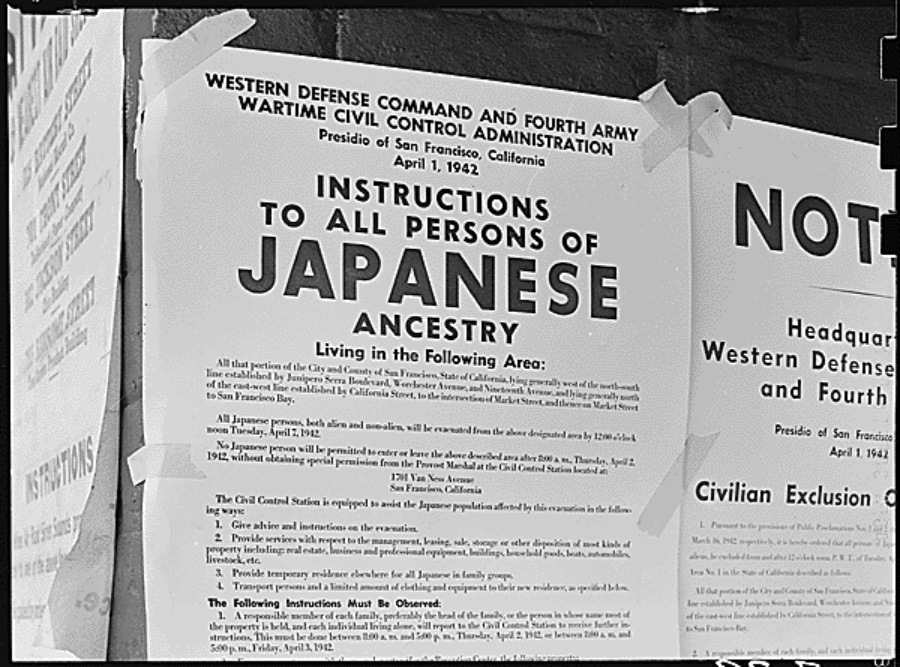
On February 19, 1942, President Franklin D. Roosevelt signed Executive Order 9066, which authorized the removal of all persons of Japanese ancestry from the West Coast. Over the next months, more than 120,000 people—two-thirds of them American citizens—were forced into ten inland camps. The camps were remote and harsh: tar-paper barracks, communal mess halls, and barbed-wire fences. The Yoshikawa family was sent to Rohwer in Arkansas; Yoshio Okumoto was sent to Heart Mountain in Wyoming. Both men documented their daily life with cameras. Their photographs, along with letters and schoolwork, were preserved and are now in the Densho Digital Repository and other archives.
How It Was Seen at the Time
Contemporaries often used the terms “evacuation” and “relocation” to describe the process, and the camps were officially called “relocation centers.” Many incarcerees themselves used these terms, but their photographs and letters reveal a more complex reality. As the Densho article notes, “Many of the “iconic” photos of Japanese American incarceration that we are most familiar with today were taken by white photographers who worked as outsiders looking in. But there were also many Japanese Americans who documented their own experiences from within the camps.” These incarceree photographers, like Okumoto, captured weddings, birthdays, and everyday chores, showing that the camps were not only places of confinement but also of community.
Historical Snapshot
| Aspect | Detail |
|---|---|
| Date | 1942–1946 |
| Place | Ten camps, including Rohwer (Arkansas), Heart Mountain (Wyoming), and Tule Lake (California) |
| People | 120,000 people of Japanese descent, mostly U.S. citizens |
| What Happened | Forced removal and confinement after Executive Order 9066 |
| Why It Mattered | It was a violation of civil liberties and a major event in American history |
Letters & Diaries
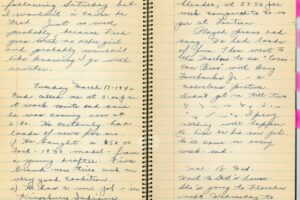
The Yoshikawa Family Collection contains correspondence from 1937 to 1947. These letters, many written in Japanese, reveal the emotional strain of the family as they tried to maintain a semblance of normal life. They also document the daily routines, the weather, and the small joys of camp life. In one letter, Richard Yoshikawa describes the “drainage ditches” that ran between the barracks—a constant reminder of the camp’s impermanence. The letters were censored, but they still provide a direct, personal voice of the incarceree experience.
Daily Life
Photographs in the Yoshikawa Collection and the JARDA (Japanese American Relocation Digital Archive) exhibit “Everyday Life” show the details of camp life: children in school, adults working in the camp hospital or the mess hall, and families gathered for a picnic. The football team at Rohwer, photographed by Yoshikawa, shows the importance of sports as a morale booster. The JARDA exhibit states, “With thousands of residents, the internment camps inevitably became communities where families carried on with the details of daily life: adults worked, children went to school.”
Eyewitness Accounts
Yoshio Okumoto was a biology lab assistant at Stanford when he was forced to leave. He was sent to Heart Mountain, where he was assigned to a shared barrack with two roommates. As the Densho article describes, “one of whom was a photographer who recruited him to help take photos of weddings, birthdays, and other events in the camp.” His photographs, taken from 1942 to 1945, provide a rare inside look at the camp. He later returned to Stanford and studied the effects of the atomic bomb. His photographs were discovered after his death in a box, a testament to the importance of preserving these primary sources.
How Historians See It Today
Historians today generally agree that the internment was a grave injustice, not a military necessity. They view the camps as concentration camps, and they point to the photographs and letters of incarcerees as evidence of the human cost. The official photographs by Dorothea Lange and Ansel Adams were often censored because they showed the harsh reality; the incarceree photographs, however, were not subject to the same control. This perspective contrasts with the contemporary official language of “evacuation” and “relocation,” which downplayed the forced nature of the removal.
Related Primary Sources
- Yoshikawa Family Collection (University of the Pacific) – letters, schoolwork, and photographs.
- Yoshio Okumoto Photographs (Densho Digital Repository) – thousands of images of Heart Mountain.
- JARDA: Everyday Life (Calisphere) – 51 items showing daily routines.
- Images of Internment (FDR Presidential Library) – exhibition with photographs by Lange and Adams.
These primary sources—letters, photographs, and diaries—give us a direct window into the lives of Japanese Americans during one of the darkest chapters of American history. They show not only the injustice and hardship, but also the resilience of a community that found ways to maintain dignity, community, and hope.
FAQ
What was the purpose of Executive Order 9066?
Executive Order 9066, signed on February 19, 1942, authorized the removal of persons of Japanese ancestry from the West Coast for national security reasons. It led to the incarceration of 120,000 people in ten camps.
How did incarcerees document their own lives in the camps?
Many incarcerees, like Yoshio Okumoto and Richard Yoshikawa, took photographs of daily life, including weddings, sports events, and school activities. Their letters and diaries also provide personal accounts.




Leave a Reply