
Short Answer
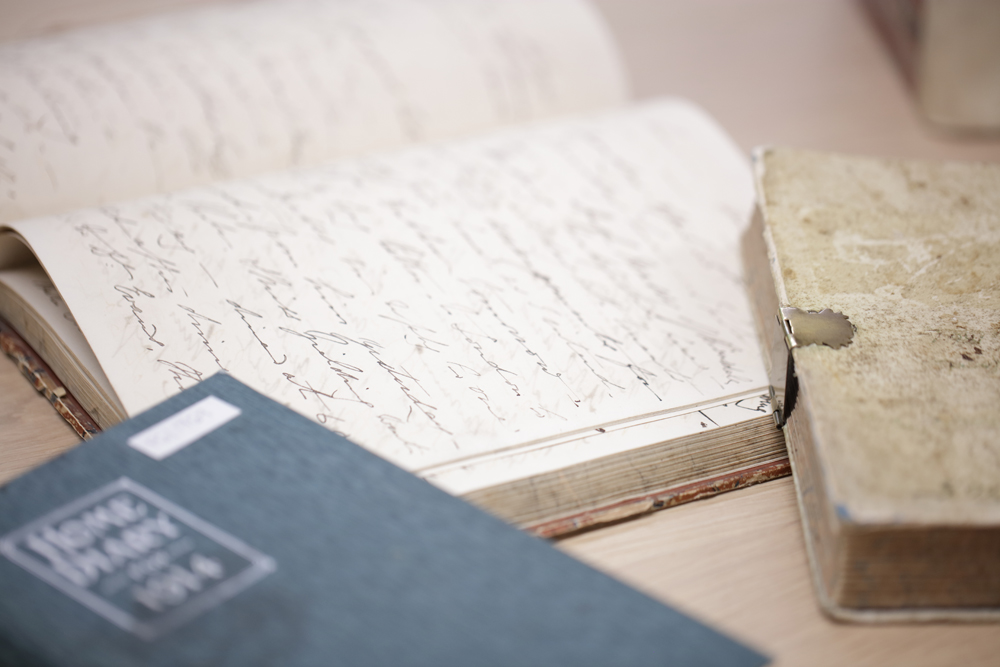
In an attic or an online archive, coming across personal correspondence and diaries can open a tantalizing window into past lives. The pages are plain-spoken, lively, and full of details—a morning’s chores, a quarrel with a neighbor, a sudden illness, a fleeting hope. Few historical texts seem as familiar or as compelling to read. They emerge directly from the writer, fresh and intimate, bringing us close to who that person was. At the same time, they fascinate us by revealing differences between times past and our own—differences in language, in expressive style, in what people felt needed saying and what they left unsaid. For historians, diaries are not just relics; they are raw material for reconstructing the past, capturing with special sharpness the self, social relations, work, and values of another era.
What Happened?
Diaries have been kept for centuries, but their survival and significance as historical sources are not uniform. Personal journals are personal records of everyday and out of the ordinary events and thoughts experienced by an individual. They are created to record personal thoughts, reflections, and opinions for one’s own benefit, not usually for an intended audience. This is why they often feel so unguarded and authentic.
According to the University of Hull’s guide to common record types, diaries were commonly kept by authors, MPs, and notable public and civic figures, as well as by educated and literate women and men, usually of gentry status and above. However, diaries of ordinary and working-class individuals do survive, particularly after the Industrial Revolution, when literacy spread and the practice of keeping a diary became more widespread. The fact that diaries are usually found with other personal papers—letters, account books, photographs—means they often arrive in archives as part of a larger personal collection.
The historical use of diaries has evolved. As historian Steven Stowe explains in “Making Sense of Letters and Diaries,” diaries and letters are not transparent windows onto the past. They are not simply “true” or “false”; they are written with a purpose and a perspective. Diaries tell the truth, the partial truth, and a lot more besides the truth. They provide an atmosphere, a sense of the mood of the moment, which could not be acquired in any other way. But they should never be taken as the last word. As raw material for reconstruction of the past, they are invaluable, and they are also “savagely entertaining.”
How It Was Seen at the Time
For the diarists themselves, a diary was often a private companion. It was not written for publication or for an audience; it was a place to record thoughts, to make sense of daily life, or to keep a record of events. The University of Hull guide quotes a diarist’s observation: “What an odd thing a diary is: the things you omit are more important than the ones you put in.” This suggests that contemporaries understood that a diary was a selective record, shaped by the writer’s own priorities, omissions, and silences.
When historians first began to use diaries as sources, they often approached them as transparent windows into the past. They read them for facts, dates, and events. But as the practice of historical research matured, scholars came to recognize that diaries are not simple mirrors. They are literary and cultural documents, constructed by the writer’s own worldview, memory, and narrative choices. Stowe emphasizes that diaries and letters are “plain-spoken, lively, and full of details,” but they also “make us curious to explore differences in language and expressive styles, in what people felt needed saying and what did not.” Thus, contemporaries saw diaries as private, but historians see them as both evidence and artifact.
Historical Snapshot
r>
| Aspect | Detail |
|---|---|
| Date | Diaries have been kept for centuries; survival of ordinary people’s diaries becomes more common after the Industrial Revolution (roughly 19th century onward). |
| Place | Found in archives, attics, online repositories, and personal collections worldwide. |
| People | Authors, MPs, public figures, educated women and men of gentry status, and increasingly ordinary working-class individuals after the industrial revolution. |
| What Happened | Individuals recorded personal thoughts, daily events, and reflections for their own benefit, leaving a rich but selective record of everyday life. |
| Why It Mattered | Diaries provide a unique, intimate perspective on the past—capturing emotions, social relations, work, and values—that other historical sources often lack. |
Letters & Diaries
Diaries themselves are the primary sources of this article. Historians have long quoted from them to illustrate the texture of daily life. The scholar Ben Pimlott, writing about the use of diaries in social research, captured their essence:
“Diaries tell the truth, the partial truth, and a lot more beside the truth … In them, you seek – and often find – an atmosphere, a sense of mood of the moment, which could not be acquired in any other way. They should never, ever, be taken as the last word. But as raw material for reconstruction of the past they are as invaluable as they are savagely entertaining.”
This quote, cited in the SAGE Researching Diaries guide, underscores that diaries are not straightforward records but are partial, mood-laden, and deeply personal. The University of Hull guide likewise notes that diaries are “personal record of everyday and out of the ordinary events and thoughts experienced by an individual.” They are created for one’s own benefit, not for an audience, which is why they often feel so candid.
For historians, the most compelling diary entries are those that capture the mundane—what a person ate, how they spent an afternoon, the weather, a conversation. These details, when read together, reconstruct the rhythms of everyday life. They also reveal what the diarist considered important enough to write down, and what they left out—the omissions are as revealing as the inclusions.
Daily Life
Diaries are perhaps the richest source for understanding the everyday routines, material conditions, and social customs of past eras. A diary might record the weather, the price of bread, the illness of a child, the arrival of a letter, the gossip of a town. These details, often dismissed as trivial by contemporaries, are gold to historians. They show how people lived, what they wore, what they ate, and how they interacted with their families and communities.
Stowe explains that diaries and letters “capture with special sharpness” the changes and continuities in self, social relations, work, and values. The personal diary is a place where the writer negotiated their identity and their place in the world. It is not just a record of events; it is a record of how a person experienced and interpreted those events. The diary of a farmer in the 19th century might note the weather and the crops; a diary of a woman in a middle-class household might note the visits of relatives and the domestic chores. These are the details that bring the past alive.
The University of Hull guide emphasizes that diaries are often found with other personal papers, such as letters and photographs, which together provide a richer picture of a life. Diaries are not isolated documents; they are part of a personal archive that, when read together, can reconstruct the daily life of an individual and their community.
How Historians See It Today
Modern historians treat diaries not as transparent windows but as carefully constructed texts. They ask questions about the writer’s purpose, audience, and silences. As Stowe notes, diaries and letters “seem to emerge directly from the writer, fresh and intimate,” but they are also shaped by the writer’s expectations, their literary models, and the social context in which they wrote. Historians today read diaries with a critical eye, looking for what is included and what is left out, and they often compare diaries with other sources—official records, newspapers, letters—to cross-check and enrich their understanding.
The Sage research guide emphasizes that diaries have been used in experimental and social survey research, historical research, and naturalistic research. In each case, the researcher must consider the design of the diary and its implications. Diaries are not neutral; they are a product of the person who wrote them, and they must be interpreted as such. The guide quotes Pimlott’s warning that diaries should never be taken as the last word, but they are invaluable as raw material. This is the consensus among historians today: diaries are essential, but they are also partial and personal.
Common Misconceptions
Related Primary Sources
- History Matters: Making Sense of Letters and Diaries – An online guide by Steven Stowe, offering practical advice for reading letters and diaries as historical sources.
- University of Hull Library: Understanding Common Record Types – A guide to diaries as archives, including their purpose and where to find them.
- SAGE Research Methods: Researching Diaries – A scholarly overview of the use of diaries in social research, including historical research.
- Online archives of personal papers – Many archives, such as the Library of Congress or national archives, have collections of diaries and letters, often digitized and searchable.
Diaries are not just relics of the past; they are living documents that connect us to the people who wrote them. They are raw material for the reconstruction of the past, offering a glimpse into the daily lives, hopes, and fears of people who might otherwise be silent. As we read a diary, we are reminded that history is not only about kings and battles, but about the ordinary moments that make up a life. The diary is a testament to the human desire to record, to remember, and to make sense of the world.
FAQ
Why are diaries considered valuable historical sources?
Diaries provide an intimate, first-person perspective on everyday life, capturing details of work, family, and social relations that other records often overlook. They offer a sense of the mood and atmosphere of a moment, as well as the writer's personal interpretations, making them invaluable for understanding the past.
What are the limitations of using diaries as historical evidence?
Diaries are partial and subjective. They reflect the writer's own biases, omissions, and selective memory. They are not intended for an audience, so they may lack context or be cryptic. Historians must cross-reference diaries with other sources to verify facts and fill gaps.










Leave a Reply