Short Answer
In the early hours of 6 June 1944, Australian broadcaster Chester Wilmot crouched inside a wooden glider as it slashed through steel posts planted by German defenders in the fields of Normandy. The glider’s nose was battered, its wings and tail assembly torn, yet it came to rest on its three wheels. Within hours, Wilmot would broadcast to the BBC the first dramatic sounds of the D-Day invasion. He was one of a select group of correspondents—men and women—who risked death to bring the war to millions of readers and listeners back home. Their dispatches were often censored, their identities sometimes hidden, but their words and voices shaped how the world understood the greatest conflict of the twentieth century.
What Happened?
The role of the war correspondent in World War II was defined by a series of firsts: the first to report the outbreak of war, the first to land with airborne troops, and the first to break the barriers of gender. On 1 September 1939, Clare Hollingworth, a young British journalist on her first week of work for the Daily Telegraph, became the first to report the German invasion of Poland. She had borrowed a car from the British Consul-General in Katowice, John Anthony Thwaites, and drove into Germany to make a fact-finding trip. She later recalled, “I was surprised to come across scores, if not hundreds of tanks lined up ready to go into Poland.” Her report was published on the front page, but, as she told the Imperial War Museum in 2001, “In those days there were no by-lines so it was credited to ‘Our Own Correspondent.'”
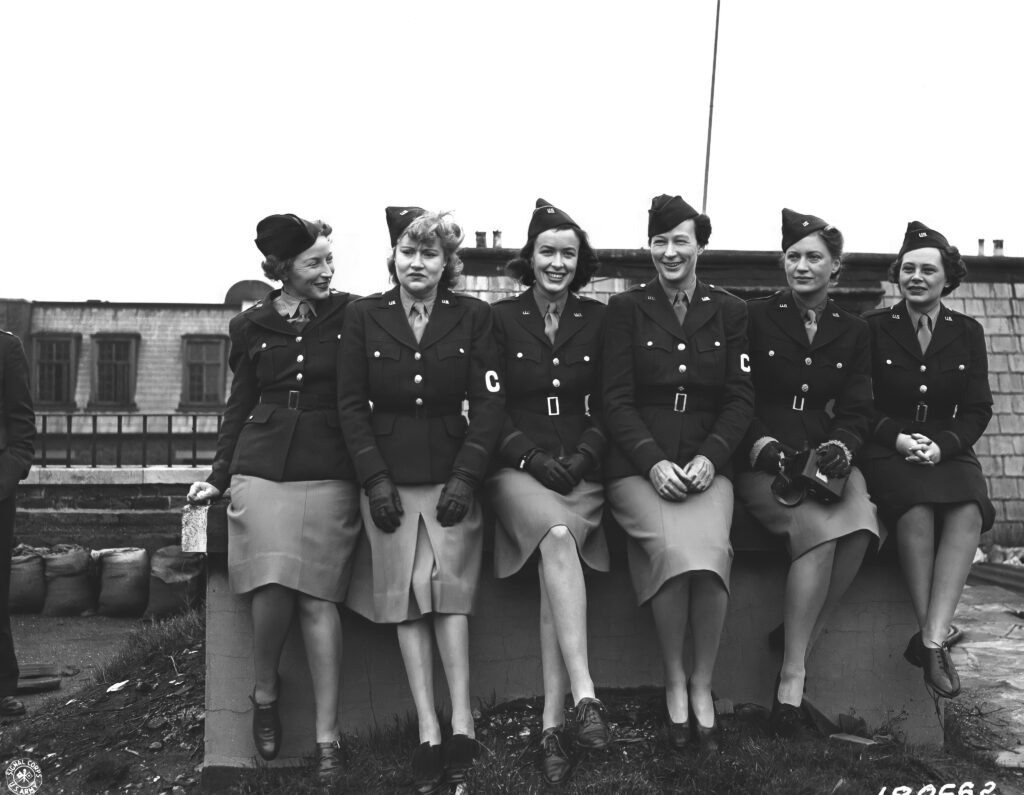
Throughout the war, correspondents accompanied Allied forces in every major theatre. American journalist Martha Gellhorn, one of only around 100 female war correspondents, covered the war from Spain to the Pacific, often sneaking onto troopships and ignoring official restrictions. Her mother, a suffragist, had taken her to a women’s rights rally in 1916, and that spirit of defiance carried into her reporting. Australian broadcaster Chester Wilmot, embedded with the 6th British Airborne Division, landed in a glider behind enemy lines on D-Day. He described the landing: “With grinding brakes and creaking timbers we jolted, lurched, and crashed our way to a landing.” The Germans had prepared “Rommel’s asparagus”—steel posts driven into fields—but his glider survived. “The bottom of the nose was battered in,” he reported, “but she came to rest on her three wheels, even though she had mown five stout posts.”
- 1939: Clare Hollingworth reports the German invasion of Poland, the first journalist to do so.
- 1942-1944: Martha Gellhorn covers the war in Europe, often in defiance of censorship and gender restrictions.
- 6 June 1944: Chester Wilmot lands with British airborne troops in Normandy and broadcasts live on the BBC.
- Throughout: Hundreds of correspondents, including Ernie Pyle, report from the front lines, bringing the war home to millions.
How It Was Seen at the Time
To the public, war correspondents were heroes—the eyes and ears of the home front. They were seen as men who risked death to bring the truth, and their dispatches were awaited with a mixture of hope and dread. Yet the reality was more complicated. Correspondents faced strict censorship, and they often had to balance military security with the public’s need to know. The prevailing mood among the press was one of determination and solidarity with the troops. As Hollingworth later recalled, “There were no by-lines in those days, so you wrote for the cause, not for the name.” The language of the time was direct and unadorned, reflecting the starkness of war. Wilmot’s broadcasts from the glider landing captured the chaos and the bravery, and his report was broadcast the same morning. The tone was one of immediacy and wonder that the landing had succeeded.
Historical Snapshot
| Aspect | Detail |
|---|---|
| Date | 1939–1945 (World War II) |
| Place | Europe, Africa, Asia, and the Pacific |
| People | Clare Hollingworth, Martha Gellhorn, Chester Wilmot, Ernie Pyle, and hundreds of other correspondents |
| What Happened | War correspondents reported from the front lines, often under fire, to inform the world of the progress and human cost of the war |
| Why It Mattered | Their reporting shaped public opinion, morale, and the historical record of the conflict |
Eyewitness Accounts
The most powerful evidence of the correspondent’s experience comes from their own words. Clare Hollingworth’s account of her 1939 trip is a classic example of a scoop born from a chance encounter. She told the Imperial War Museum: “I got in touch with my boss at the Telegraph, Hugh Carlton-Greene, in Warsaw, and told him, and it was on the front page.” The story was published without a byline, but the information was correct. Chester Wilmot’s description of the D-Day glider landing is equally vivid:
“With grinding brakes and creaking timbers, we jolted, lurched, and crashed our way to a landing. The glider in which I travelled came off better than most. The bottom of the nose was battered in. The wings and tail assembly had been slashed here and there, but she came to rest on her three wheels, even though she had mown five stout posts.”
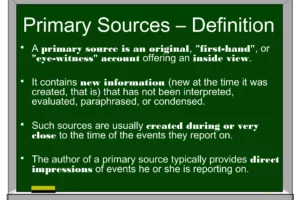
These accounts are not just reports; they are primary sources that convey the physical danger and the adrenaline of the moment. Martha Gellhorn, who later became one of the most celebrated female correspondents, described the challenges of being a woman in a male-dominated field. In her memoir, she recalled that she was often treated as a novelty, but her reports were as serious as any man’s. She covered the war from the Spanish Civil War to the Vietnam War, but her World War II reporting remains her most celebrated work.
Contemporary Newspaper Coverage
The press coverage of the war was immediate and global. The Daily Telegraph in London, which published Hollingworth’s scoop on 1 September 1939, presented it as a front-page story, but without a byline. The paper credited it to “Our Own Correspondent,” a common practice at the time. The BBC, which broadcast Wilmot’s D-Day report, used his live description to bring the sounds of the invasion to millions of listeners. Newspapers across the world, from the New York Times to the Melbourne Herald, relied on these correspondents to provide the human story behind the military communiqués. The tone was often solemn and urgent, with headlines such as “War!” and “Invasion Begins.” The correspondents were not just reporting facts; they were shaping the narrative of the war.
Different Perspectives
Female Correspondents
Women faced unique challenges in the field. Martha Gellhorn was one of only around 100 female correspondents during the war, according to the National World War II Museum. She often had to circumvent restrictions that barred women from front-line positions. Her reporting was no less brave; she was known to sneak onto troopships and to disregard official orders to stay behind. Her perspective brought a different voice to the war, focusing on the human cost and the civilian experience, not just the military strategy. She was not alone: other women like Marguerite Higgins and Dickey Chapelle also broke through, but Gellhorn’s long career made her the most famous.
National Styles
American, British, and Australian correspondents brought their own approaches. The American press, exemplified by Ernie Pyle, was known for its intimate, human-interest stories that focused on the ordinary soldier. The British press, including Hollingworth, often took a more formal, factual tone, though the urgency of the invasion was unmistakable. The Australian broadcaster Chester Wilmot was known for his detailed, technical descriptions of military operations, as seen in his glider landing account. These national styles reflected the different audiences and the military traditions of each country.
What People Feared
Beyond the obvious fear of death, correspondents and their editors feared censorship and the loss of truth. The military controlled access to the front lines and often cleared all reports. Hollingworth’s story was published without a byline because the policy of anonymity was designed to protect the reporter and to prevent the enemy from identifying sources. There was also a fear that the public would lose faith in the war if the full horror of the casualties were known. Correspondents were thus caught between the need to report the truth and the pressure to maintain morale. The fear of being accused of defeatism or of giving comfort to the enemy was ever present. Many correspondents felt they had to self-censor, a tension that became a constant part of the job.
Common Misconceptions
The legacy of these war correspondents is profound. Their dispatches, written in the heat of the moment, remain primary sources for historians today. They remind us that the war was not just a series of military movements, but a human event, seen through the eyes of those who dared to watch. Their courage and their words continue to shape how we understand the conflict.
FAQ
How did female war correspondents like Martha Gellhorn get to the front lines?
Many, like Gellhorn, used creative means—sneaking onto troopships, ignoring official restrictions, and relying on the goodwill of soldiers—to reach the front. They were often barred from official transport, but they found ways to witness the war and file their reports.
Why were some war reports published without a byline?
During the early war, it was common practice to use bylines to protect the reporter and to avoid giving the enemy information about the source. Clare Hollingworth's 1939 report was credited to "Our Own Correspondent" rather than her name.



Leave a Reply