
Short Answer
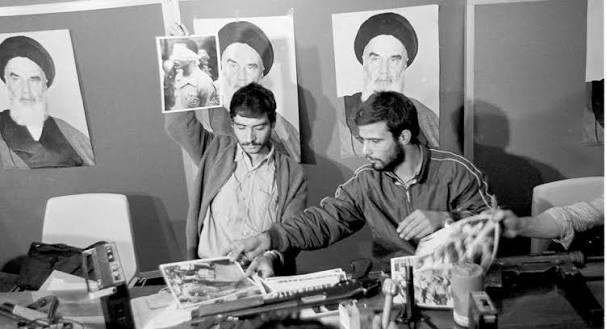
On a gray Sunday morning in Tehran, November 4, 1979, a crowd of student militants, invoking the name of Ayatullah Ruhollah Khomeini, stormed the U.S. Embassy. They overwhelmed the Marine guards and took some 60 Americans hostage. The images that flashed around the world were, as Time magazine described them, “an ugly, shocking image of innocence and impotence, of tyranny and terror, of madness and mob rule.” Blindfolded and bound, embassy employees were paraded before vengeful crowds while their captors gloated. The demand was stark: surrender the deposed Shah of Iran, then undergoing cancer treatment in Manhattan, as the price for the Americans’ release. The United States refused, but found itself “all but powerless” to free the victims. As the days passed, nerves frayed, and the crisis deepened.
What Happened?
On November 4, 1979, Iranian students and Revolutionary Guards loyal to Ayatollah Khomeini seized the U.S. Embassy in Tehran, holding an estimated 60 Americans hostage. According to the Washington Post of November 5, the militants demanded “the extradition of the exiled shah,” and also seized empty U.S. consulates in the cities of Tabriz and Shiraz. The hostage-taking was not an isolated act; it was part of a broader revolutionary movement that had toppled the Shah earlier that year.
In Washington, President Carter flatly refused to submit to what Time called “outrageous blackmail.” The U.S. government attempted to negotiate, sending former Attorney General Ramsey Clark and Senate staffer William G. Miller to Tehran. However, on November 7, Khomeini overruled his own revolutionary government and barred any negotiations with the envoys, according to the Washington Post. The Foreign Ministry confirmed that the envoys’ visit had been arranged with the approval of the Revolutionary Council, but Khomeini, who had just appointed that council as the new government after the resignation of Prime Minister Mehdi Bazargan, refused to meet with them.
Meanwhile, reports emerged about the hostages’ conditions. On November 10, four diplomats who had visited the hostages told colleagues that many were kept bound and were being spoon-fed by their captors. Khomeini also rejected a direct plea from Pope John Paul II, saying that “if Christ were here, he would censure Carter” for refusing to return the shah.
How It Was Seen at the Time
Contemporaries viewed the crisis as a shocking violation of international norms and a demonstration of American impotence. Time wrote: “While flatly refusing to submit to such outrageous blackmail, the U.S. was all but powerless to free the victims.” The language of the press emphasized the humiliation and helplessness of the hostages, and the frenzy of the captors. The Washington Post reported that the hostages were kept bound and spoon-fed, a detail that horrified readers. The prevailing mood was one of frustration and dread. As Time put it, “with demonstrators chanting ‘Death to America’ outside the compound, there was no way to guarantee that the event would not have a violent ending.”
“It was an ugly and shocking image of innocence and impotence, of tyranny and terror, of madness and mob rule.” — Time, November 19, 1979
Historical Snapshot
| Aspect | Detail |
|---|---|
| Date | November 4, 1979 – January 20, 1981 |
| Place | U.S. Embassy, Tehran, Iran |
| People | Student militants, Revolutionary Guards, Ayatollah Khomeini, President Jimmy Carter, the deposed Shah of Iran, 60 American hostages |
| What Happened | Students invaded the embassy and took hostages, demanding the shah’s extradition; the U.S. refused, and negotiations stalled. |
| Why It Mattered | It marked a major diplomatic crisis and a turning point in U.S.–Iran relations, leading to the break of diplomatic ties. |
What People Knew at the Time
| What People Knew Then | What We Know Now |
|---|---|
| The hostages were being held by students and Revolutionary Guards, and were bound and spoon-fed. | Modern scholarship confirms the hostages were physically restrained and subjected to psychological pressure. |
| The U.S. refused to hand over the shah, and negotiations were blocked by Khomeini. | The crisis lasted 444 days, ending only with the Algiers Accords and the release of the hostages on the day Ronald Reagan was inaugurated. |
| There was fear of a violent conclusion. | No hostages were killed, but the crisis deeply damaged U.S.–Iran relations and contributed to the fall of the Carter presidency. |
Contemporary Newspaper Coverage
The American press covered the crisis with intensity and alarm. Time magazine, in its November 19, 1979 issue, described the scene: “On a gray Sunday morning, students invoking the name of Iran’s Ayatullah Ruhollah Khomeini invaded the embassy, overwhelmed its Marine Corps guards and took some 60 Americans as hostages.” The Washington Post reported on November 5 that the students “continued to hold an estimated 60 Americans hostage at the U.S. Embassy here to back demands for the extradition of the exiled shah.” The New York Times later examined the media’s own crisis in covering the story, noting that television news faced its own challenges in reporting the events accurately.
“On a gray Sunday morning, students invoking the name of Iran’s Ayatullah Ruhollah Khomeini invaded the embassy, overwhelmed its Marine Corps guards and took some 60 Americans as hostages.” — Time, November 19, 1979
What People Feared
The most immediate fear was that the crisis would end in a massacre. As Time noted, “there was no way to guarantee that the event would not have a violent ending.” The sight of hostages blindfolded and bound, with crowds chanting “Death to America,” suggested that any miscalculation could lead to bloodshed. There were also fears that the crisis would spread, as students also seized U.S. consulates in Tabriz and Shiraz. The American public and government were also concerned about the fate of the hostages, and the pressure on President Carter to act was immense.
Timeline
- November 4, 1979: Students and Revolutionary Guards invade the U.S. Embassy in Tehran, taking 60 Americans hostage.
- November 5, 1979: The Washington Post reports that other U.S. consulates in Tabriz and Shiraz are seized.
- November 6, 1979: Prime Minister Mehdi Bazargan resigns; Khomeini appoints a new Revolutionary Council.
- November 7, 1979: Khomeini bars negotiations with envoys Ramsey Clark and William G. Miller.
- November 10, 1979: Diplomats visit the hostages and report they are bound and spoon-fed; Khomeini rejects the Pope’s plea.
- November 19, 1979: Time magazine publishes its cover story, “Blackmailing the U.S.”
The 1979 Iranian hostage crisis, as captured in the contemporary press, was a moment of profound national anxiety and a turning point in the United States’ relationship with the Middle East. The primary sources from those weeks reveal not only the facts of the seizure but also the raw emotions of the era—the humiliation, the fear, and the helplessness that defined the American experience of the crisis. The hostages would remain in captivity for 444 days, but the images and words from those early days set the tone for a long and painful ordeal.
FAQ
How many Americans were taken hostage in 1979?
The exact number varied, but contemporary reports estimated about 60 Americans were held hostage at the U.S. Embassy in Tehran on November 4, 1979. The militants later released some, and the final count of 52 remained until the end of the crisis.
What was the demand of the hostage-takers?
The students and Revolutionary Guards demanded the extradition of the deposed Shah of Iran, Mohammad Reza Pahlavi, who was in the United States for cancer treatment. They wanted him sent back to Iran to stand trial.
Did the United States attempt any rescue mission?
Yes, a rescue attempt was planned in April 1980, but it failed due to a sandstorm and a helicopter crash. However, the contemporary reports from the first weeks focused on diplomatic efforts and the refusal of Khomeini to negotiate.





Leave a Reply