
Short Answer
In 1960, the average American adult lit up a cigarette with a 42% probability, a habit so pervasive that smoke curled through offices, living rooms, and even hospital corridors. The decade that followed would see that world upended—by civil rights marchers, antiwar protesters, and a youth culture that rejected the very comforts their parents had fought for. Yet for most Americans, life went on: they went to work, raised families, watched television, and worried about the bomb. This article reconstructs the texture of everyday life in the 1960s through the eyes of those who lived it, drawing on contemporary reports, personal accounts, and the numbers that defined the era.
What Happened?
The 1960s were some of the most significant years in American history, marked by the Civil Rights Movement, a rising counterculture, and an intense era of war and political violence. The decade opened with the sit-in movement, as nonviolent protestors led by the Reverend Martin Luther King Jr. participated in sit-ins and boycotts throughout the South to protest persistent racism and segregation. When southerners reacted violently, the federal government stepped in to enforce equal rights laws. A key moment came on August 28, 1963, when hundreds of thousands of Americans—including a diverse coalition of civil rights groups—gathered for the March on Washington, where King delivered his “I Have a Dream” speech.
The assassination of President John F. Kennedy on November 22, 1963, shocked the nation and marked a turning point. Under President Lyndon Johnson, the Civil Rights Act of 1964 and the Voting Rights Act of 1965 were passed, but the escalation of the Vietnam War soon dominated the national consciousness. By 1968, the Tet Offensive and the assassinations of Martin Luther King Jr. and Robert F. Kennedy deepened the sense of crisis. The decade also saw the rise of the “youth movement,” a shapeless and leaderless trend that valued the freedom and lack of responsibility enjoyed by youth, challenging traditional authority and social norms.
How It Was Seen at the Time
Contemporaries experienced the 1960s as a time when pillars of American society that had seemed indestructible became objects of derision. As one overview of the era noted, “A few years earlier, Americans in uniform were revered. Now, a young man returning to the United States after his mandatory service in the armed forces might be spat upon and asked to reveal the number of babies he had murdered in Vietnam.” The language of the era was charged with disillusionment and defiance. The Port Huron Statement, issued in 1962 by the Students for a Democratic Society, captured the mood of a generation: “We are people of this generation, bred in at least modest comfort, looking now to supercilious aims.”
“Injustice anywhere is a threat to justice everywhere.” — Martin Luther King Jr., Letter from Birmingham Jail, 1963
Many Americans, however, viewed the upheaval with alarm. The civil rights movement, the antiwar protests, and the counterculture seemed to threaten the very fabric of society. The prevailing mood was one of both hope and fear—hope for a more just and equal nation, fear of violence and social breakdown.
Historical Snapshot
| Aspect | Detail |
|---|---|
| Date | 1960–1969 |
| Place | United States (with global implications) |
| People | Civil rights activists, antiwar protesters, youth counterculture, ordinary Americans |
| What Happened | Civil rights legislation, Vietnam War escalation, assassinations, countercultural revolution |
| Why It Mattered | Redefined American social norms, expanded civil rights, and left a legacy of political and cultural division |
Daily Life
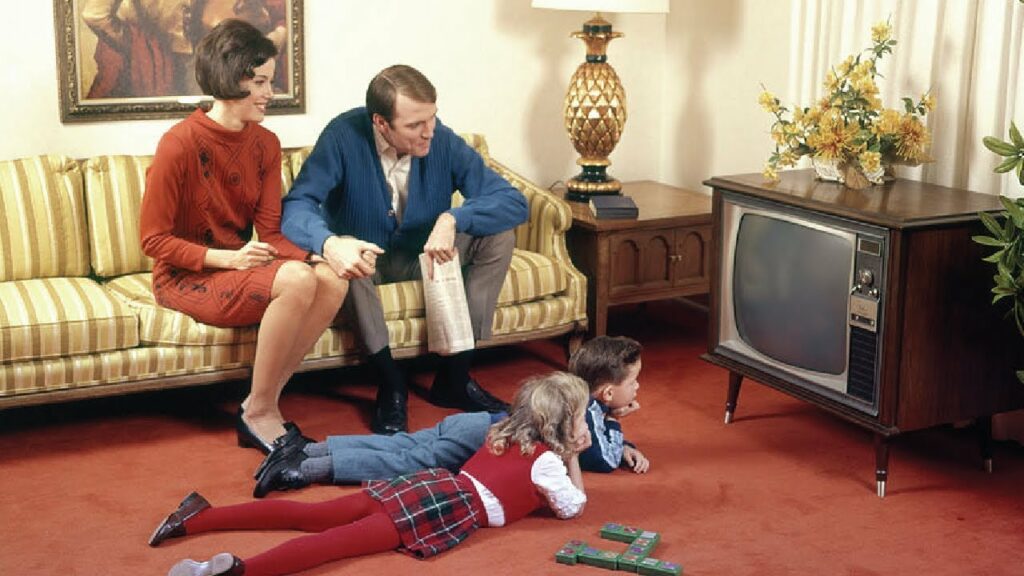
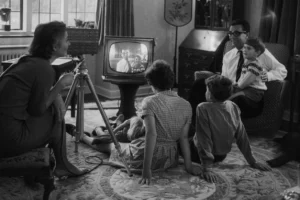
Despite the turmoil, many Americans lived ordinary lives. Smoking was widespread—42% of adults were smokers, a figure that seems astonishing today. Cigarettes were part of daily rituals, from morning coffee to after-dinner conversations. Television became a central feature of the home, with families gathering around the set for news of the war and the space race. Suburban living expanded, and the automobile dominated transportation. The youth movement brought changes in fashion and music, with the British Invasion led by the Beatles and the Rolling Stones reshaping popular culture. For women, the decade saw the beginning of the women’s movement, but many still adhered to traditional roles. The civil rights movement also changed daily life for African Americans, as segregation was dismantled in public accommodations and schools.
Numbers at the Time
| Statistic | Value | Source/Year |
|---|---|---|
| Adult smoking rate | 42% | 1960s (History Facts) |
| U.S. population | 179 million | 1960 U.S. Census |
| Median family income | $5,600 | 1960 U.S. Census |
| U.S. troops in Vietnam (peak) | Over 500,000 | 1968 (Department of Defense) |
What People Feared
The Cold War cast a long shadow. Many Americans feared nuclear war, and school drills for atomic attacks were routine. The Cuban Missile Crisis in 1962 brought the world to the brink, and the fear of communism permeated politics and culture. The Vietnam War also generated fear—not only of death and injury but of the social division it caused. The assassinations of John F. Kennedy, Martin Luther King Jr., and Robert F. Kennedy in the 1960s fueled a sense of national trauma and uncertainty. The decade was marked by violence and bloodshed, and many feared that the social fabric was unraveling.
How Historians See It Today
Modern historians view the 1960s as a period of profound transformation, when the civil rights movement and the counterculture permanently altered American society. They emphasize the long-term gains of the civil rights legislation and the cultural shifts that empowered women, minorities, and youth. However, they also note the deep divisions that emerged, which continue to shape American politics. The decade is often seen as a watershed, with the optimism of the early years giving way to the disillusionment of the late 1960s. Historians now recognize that the era’s upheaval was not a single narrative but a complex interplay of movements, each with its own goals and legacies.
The primary sources of the 1960s—newspapers, letters, diaries, and photographs—reveal a decade of stark contrasts: prosperity and poverty, hope and despair, conformity and rebellion. They show that everyday life was both ordinary and extraordinary, as Americans navigated a world in flux. The legacy of the 1960s is not just the laws and policies that changed, but the way ordinary people experienced and shaped those changes.
FAQ
What was the most common daily habit in the 1960s?
Smoking was extremely common, with 42% of American adults being smokers. It was a pervasive part of daily life, from workplaces to homes.
How did the civil rights movement affect everyday life?
The civil rights movement led to the end of legal segregation in public facilities and schools, changing daily interactions and opportunities for African Americans, though resistance and inequality persisted.









Leave a Reply