Short Answer
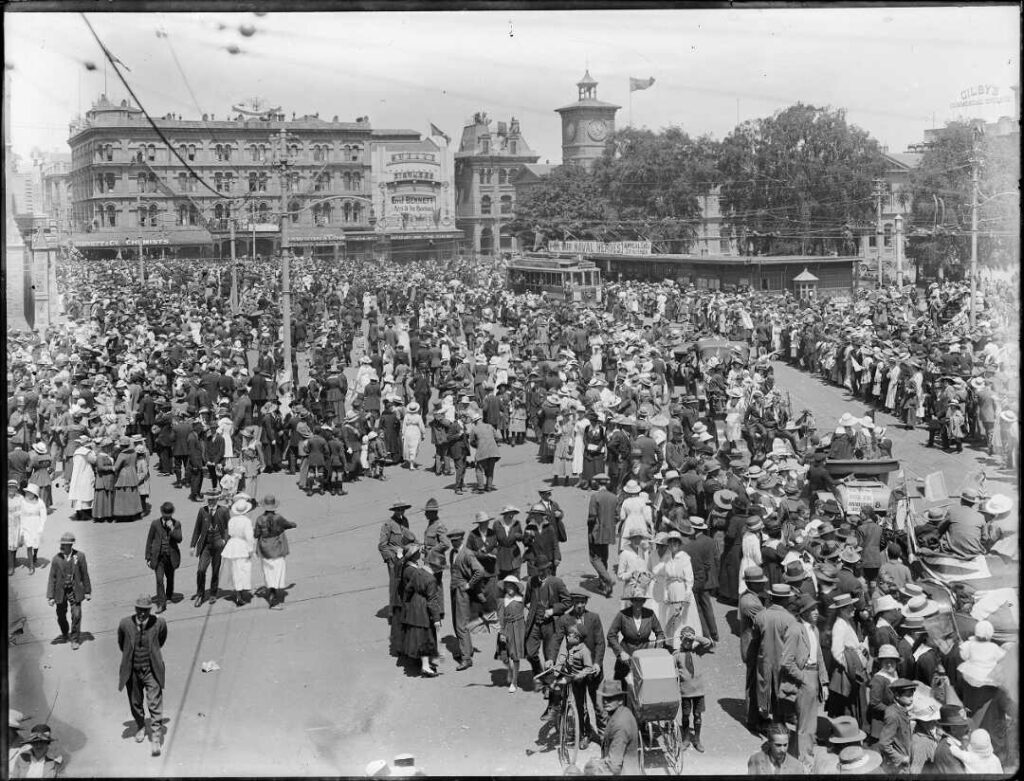
November 11, 1918: In the rain-soaked forests of Compiègne, France, delegates signed the armistice that silenced the guns of the Great War. But as the news flashed across the world, a different enemy was already marching. The Spanish influenza pandemic, which had begun earlier that year, was in its second, deadlier wave. In cities like Philadelphia, nurses in overcrowded hospitals watched patients turn blue and drown in their own fluids. Soldiers on troop ships and in crowded barracks fell by the thousands. The war had ended, but the flu was just reaching its peak. For the men and women who lived through it, the armistice and the pandemic were inseparable—two great catastrophes that together defined the autumn of 1918.
What Happened?
The 1918 influenza pandemic, commonly known as the Spanish flu, was the worst pandemic in modern history, killing an estimated 50 million people worldwide in eighteen months—four to five times more than the war itself (source 1). The pandemic occurred in three waves. The first wave, in the spring of 1918, was relatively mild and often misdiagnosed as a common cold. The second wave, from August to November 1918, was catastrophic, striking with a violence that overwhelmed medical systems. The third wave followed in early 1919.
The pandemic’s course was inseparable from the war. Millions of soldiers moving across the globe in crowded troopships and trenches created ideal conditions for transmission. The first significant outbreaks in the United States occurred at military camps, including Camp Funston in Kansas, in March 1918. By the autumn, the flu had reached the Western Front and spread through both the Allied and Central Powers. In October 1918, the pandemic peaked in many regions, just as the war was entering its final weeks. The armistice on November 11, 1918, came amid the height of the second wave. Celebrations were muted by the fear of infection; in many cities, public gatherings were discouraged or banned.
The pandemic’s toll was staggering. In the United States alone, over 675,000 people died. In Philadelphia, the flu killed more than 12,000 in just a few weeks. In Britain, the flu claimed more lives than the war itself. The pandemic also affected military operations. In the British army, more soldiers were hospitalized for the flu than for wounds. The German army was so weakened by the flu that some historians argue it contributed to the collapse of the German offensive in the spring of 1918. The flu, in this sense, was not just a background event—it was a force that shaped the war’s outcome.
How It Was Seen at the Time
Contemporaries struggled to understand the pandemic. Many doctors and public health officials initially dismissed it as a common influenza, not realizing its severity. The name “Spanish flu” emerged because Spain, a neutral country, did not censor news of the outbreak, while the Allied and Central Powers suppressed reports to maintain morale. In the United States, the government and military downplayed the severity of the flu, fearing that public panic would undermine the war effort. The prevailing mood was a mix of denial and anxiety. Newspapers reported on the flu but often in a tone that minimized its dangers.
“The dead were piled up in the morgue like cordwood.” — a physician in Philadelphia, October 1918
The quote above, often cited in accounts of the pandemic, captures the horror that overwhelmed many American cities. At the time, medical professionals were at a loss. The virus was not yet identified, and doctors had no effective treatment. Many believed that the flu was a bacterial infection, and the public was advised to wear masks and avoid crowds. The term “grippe” was commonly used, and people often mistook the flu for a common cold. The pandemic was a terrifying mystery that struck suddenly and killed young adults in particular, which was unusual.
Historical Snapshot
| Aspect | Detail |
|---|---|
| Date | 1918–1919; peak during autumn 1918 |
| Place | Worldwide; major impact in Europe, the United States, and Asia |
| People | Soldiers, civilians, medical personnel, public officials |
| What Happened | Influenza pandemic killed an estimated 50 million people in 18 months, overlapping with the final year of World War I. |
| Why It Mattered | The pandemic exacerbated wartime suffering, disrupted military operations, and influenced the armistice and postwar recovery. |
What People Knew at the Time
| What People Knew Then | What We Know Now |
|---|---|
| People knew the flu was spreading, but many believed it was a common, mild disease. The term “Spanish flu” was used because Spain reported it openly, while other nations censored. | We know it was caused by an H1N1 influenza A virus with unusual severity, particularly for young adults. The pandemic’s true death toll is estimated at 50 million or more. |
| Doctors thought the flu was caused by a bacterium, and many recommended masks, quarantine, and vaccines that were ineffective. | We know it was a viral infection, and secondary bacterial pneumonia was the cause of many deaths. Public health measures like isolation were partially effective. |
| Governments often downplayed the flu to maintain morale during the war. | We know that censorship allowed the pandemic to spread more easily, and the war itself facilitated global transmission. |
Contemporary Newspaper Coverage
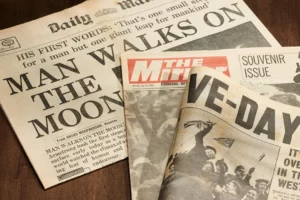
Newspapers in 1918 were a primary source of information, but they were heavily censored. In the United States, the Committee on Public Information discouraged reporting that might harm the war effort. The flu was often reported in a way that minimized its danger. For example, in September 1918, the New York Times reported that the flu was “a new disease” but assured readers that it was “not a serious type.” However, as the epidemic worsened, newspapers began to report more honestly. The Philadelphia Inquirer in October 1918 carried headlines like “Influenza Cases Increase in City” and “Many Deaths in the City.” The tone was one of alarm, but the public health officials often contradicted the reports.
“The epidemic is a serious matter, but it is not the plague.” — a typical editorial in a US newspaper, October 1918
In contrast, the Spanish press, because of neutrality, reported more openly. The El Sol of Madrid published daily updates on the flu’s spread, which is why the pandemic became known as “Spanish flu.” In Europe, newspapers also varied: British papers often downplayed the flu, while French and German papers were more open. The coverage was a mix of public health advice, official statements, and anecdotal reports.
Eyewitness Accounts
Eyewitness accounts provide a vivid sense of the pandemic’s horror. A nurse at a military hospital in France described the scene:
“The men were dying like flies. We had no beds, no medicines, and no help. The doctor said it was the flu, but we had never seen anything like it.” — Nurse, American Expeditionary Forces, October 1918
A soldier in the British Army wrote to his mother:
“We are all sick with the flu. The war is over, but we are not sure we will survive the flu.”
These accounts highlight the helplessness and fear. The flu struck suddenly, causing high fever, chills, and often pneumonia. Many died within days. The eyewitness accounts also show that the flu was not just a medical event but a psychological one, adding to the trauma of war.
Letters & Diaries
Personal correspondence from the era reveals the impact of the pandemic. A letter from a mother in Kansas to her son, dated October 1918, reads:
“The flu is terrible here. The neighbors are all sick, and we have lost two. I am afraid for you in the army.”
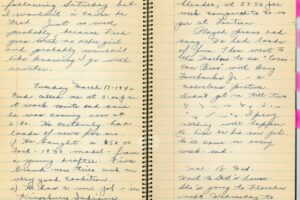
Diaries also record the fear. The diary of a young woman in London, written on November 11, 1918, notes:
“The armistice is signed, but the flu is still killing. We are not happy because everyone is afraid.”
These personal documents show that the pandemic was a constant presence in daily life, even as the war ended. They also reveal that the public did not fully understand the cause or how to prevent it.
How Historians See It Today
For decades, historians of World War I largely ignored the pandemic. As source 1 notes, “For nearly eighty years they virtually ignored it. Only in the last two decades has it begun to find its way into accounts of 1918.” Today, historians recognize that the Great War and the Great Flu were “inextricably interwoven with each other” (source 1). The pandemic killed more people than the war, and it had a profound impact on military effectiveness, civilian morale, and the postwar world. The war facilitated the spread of the virus, and the virus, in turn, affected the war’s outcome. The pandemic also had long-term effects on public health systems and the development of virology. Modern scholarship emphasizes the need to integrate the pandemic into the narrative of World War I, rather than treating it as a separate event.
Aftermath
The armistice did not end the pandemic. The third wave of the flu struck in early 1919, and the pandemic continued to spread until the summer of 1919. The aftermath of the war and the pandemic was a world in which millions were dead, and the public health infrastructure was overwhelmed. The pandemic also had economic consequences, as labor shortages and disruption of trade continued. In the years that followed, the pandemic influenced the development of public health policies, including the creation of the World Health Organization’s precursor, the League of Nations Health Organization. The memory of the flu also shaped the response to later pandemics, though it was often forgotten by the public. The pandemic’s legacy is a reminder of the interconnectedness of war and disease.
In conclusion, the 1918 flu and the armistice of World War I are two events that, when viewed through primary sources, are inseparable. The pandemic was not just a backdrop to the war’s end; it was a force that shaped the war’s outcome, the experiences of soldiers and civilians, and the postwar world. The letters, newspapers, and official reports of 1918 reveal a world that was simultaneously celebrating peace and mourning the dead. The primary sources teach us that the pandemic was a global tragedy that was compounded by the war, and that its legacy was as profound as the war itself.
FAQ
Why was the 1918 pandemic called the 'Spanish flu'?
The pandemic was called 'Spanish flu' because Spain, being neutral in World War I, did not censor its news about the outbreak. The other warring nations, including the United States, Britain, and France, censored the news to maintain morale, so the flu was first reported openly in Spain.
How did the flu affect the armistice of World War I?
The flu affected the armistice in several ways. It weakened armies, particularly the German army, and may have contributed to the collapse of the German offensive in 1918. The flu also strained public health systems and morale, and the armistice was signed during the peak of the second wave of the pandemic.
How many people died of the flu in 1918?
The pandemic killed an estimated 50 million people worldwide in eighteen months, which is four to five times more than the number of people who died in World War I itself.




Leave a Reply