Short Answer
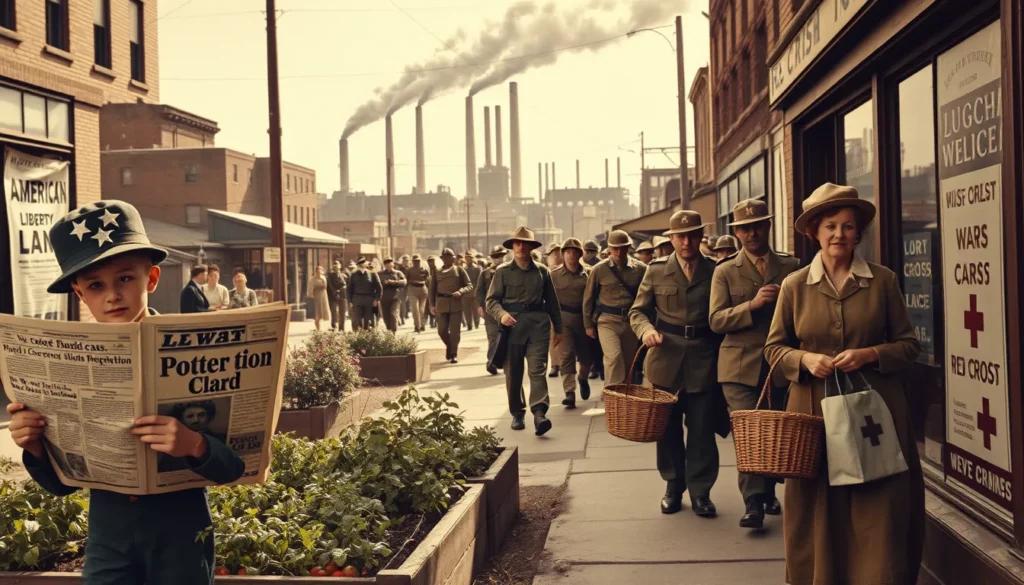
In the spring of 1917, American households began to read the war in their mail, their newspapers, and their shop windows. President Woodrow Wilson asked Congress for a declaration of war on April 2, and four days later the United States entered the conflict that Europeans had been fighting since 1914. Almost at once, everyday life was organized around the phrase “over here.” Housewives signed food-conservation pledges, children collected tin cans and peach pits, factory whistles blew for longer shifts, and newspaper boys shouted headlines about Liberty Loans and draft registration. On June 5, 1917, millions of men between the ages of twenty-one and thirty-one queued at local registration boards, while their mothers, wives, and sisters pinned Red Cross knitting instructions to kitchen walls. This article treats “everyday life” as the American home-front experience of ordinary civilians and soldiers’ families between April 1917 and the armistice of November 11, 1918, with attention to the immediate aftermath of wartime mobilization.
What Happened?
The United States entered World War I on April 6, 1917, when Congress declared war on Germany. The federal government then attempted something unprecedented in American life: the rapid coordination of industry, agriculture, labor, propaganda, and private households for a distant war. The result was not total rationing on the European model, but a dense web of voluntary campaigns, legal restrictions, and local loyalties that reached into kitchens, schools, churches, workplaces, and foreign-language communities.
- April 6, 1917: Congress declares war on Germany; Wilson’s war message had framed the conflict as a struggle to make “the world safe for democracy.”
- April 13, 1917: The Committee on Public Information (CPI) is created by executive order under George Creel to shape public opinion through pamphlets, posters, films, and speakers.
- May 18, 1917: The Selective Service Act authorizes federal conscription; the first registration occurs on June 5, 1917.
- June 15, 1917: The Espionage Act imposes penalties for interference with the draft and for false statements aiding the enemy.
- August 10, 1917: The Lever Food and Fuel Control Act creates the U.S. Food Administration under Herbert Hoover and the U.S. Fuel Administration under Harry A. Garfield.
- 1917–1918: Liberty Loan drives, Red Cross campaigns, war-garden programs, and “Hooverize” food-conservation appeals become part of daily civic life.
- March 19, 1918: The Standard Time Act introduces daylight saving time nationally as a fuel-saving measure.
- May 16, 1918: The Sedition Act broadens wartime censorship by punishing “disloyal, profane, scurrilous, or abusive language” about the government, flag, or armed forces.
- September–November 1918: The influenza pandemic sweeping the country disrupts schools, factories, churches, and war-bond rallies.
- November 11, 1918: The armistice ends fighting; celebrations erupt even as influenza and wartime grief remain fresh.
These measures changed the texture of ordinary life. The war did not simply happen “over there”; it was administered at the local draft board, the food pledge card, the school assembly, the movie theater, and the kitchen table.
How It Was Seen at the Time
Contemporaries often described the war as a moral crusade and a test of American loyalty. Wilson’s language gave the conflict a global purpose, while government publicity made conservation and bond buying seem like personal duties. The CPI’s George Creel later recalled the reach of official persuasion with striking candor: “There was no part of the great war machinery that we did not touch, no medium of appeal that we did not employ.” Food Administration slogans translated geopolitics into household advice: “Food will win the war.” Popular song carried the same message into parlors and movie houses: “Over there, over there, / Send the word, send the word over there / That the Yanks are coming.”
“The world must be made safe for democracy.” — President Woodrow Wilson, War Message to Congress, April 2, 1917
“There was no part of the great war machinery that we did not touch, no medium of appeal that we did not employ.” — George Creel, How We Advertised America (1920)
Not everyone experienced the war as a unifying crusade. German Americans, pacifists, socialists, and labor radicals faced suspicion or prosecution. The Sedition Act of 1918 declared that anyone who willfully used “disloyal, profane, scurrilous, or abusive language” about the form of government or the flag could be punished. The prevailing public mood mixed idealism, anxiety, and coercive patriotism.
Historical Snapshot
| Aspect | Detail |
|---|---|
| Date | April 6, 1917–November 11, 1918, with mobilization continuing into 1919 |
| Place | The United States home front: cities, farms, factories, schools, churches, and immigrant neighborhoods |
| People | Civilians, workers, farm families, women, children, African American migrants, immigrants, and soldiers’ relatives |
| What Happened | Federal mobilization, conscription, food and fuel conservation, Liberty Loan drives, censorship, labor changes, and the 1918 influenza pandemic |
| Why It Mattered | Expanded federal power, accelerated women’s and Black migration into new jobs, intensified patriotic conformity, and linked private life to national war aims |
Daily Life
For many Americans, the war arrived as a series of small instructions. The U.S. Food Administration urged households to observe “Meatless Mondays” and “Wheatless Wednesdays,” to substitute corn and rye for wheat, and to avoid waste. Women signed pledge cards promising to “Hooverize” — a new verb meaning to conserve food according to federal guidelines. The fuel administration promoted “heatless Mondays” and “lightless nights” in many localities, while daylight saving time shifted clocks to save coal. War gardens appeared in backyards, vacant lots, and school grounds; children tended bean rows and collected peach pits for gas-mask filters.
Food, Fuel, and the Household
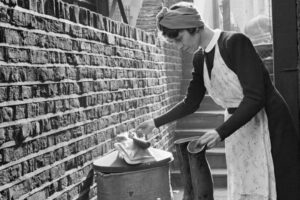
There was no comprehensive national system of household ration books as in Britain, but conservation was enforced by social pressure, advertising, and local committees. Bakeries faced rules about wheat flour; restaurants advertised meatless menus; churches held “wheatless” suppers. The war made the kitchen a patriotic front. A housewife who wasted bread might be accused of helping the Kaiser.
Work and Family
Labor shortages and the draft pulled millions of men from farms and factories. More than one million women entered the workforce for the first time, and millions more moved into higher-paying industrial jobs. Women worked on railroads, in munitions plants, and as telephone operators, clerks, and nurses. African Americans left the South in the Great Migration, seeking wartime jobs in northern and midwestern cities. Yet wages lagged behind inflation, and many women and Black workers faced discrimination, segregated facilities, and hostile unions.
Community and Coercion
Daily life also included Liberty Loan rallies, Red Cross knitting circles, school bond drives, and Four-Minute Men speeches in movie theaters. It included surveillance too. Neighbors reported neighbors for disloyal remarks; German-language instruction was curtailed in some schools; sauerkraut was sometimes renamed “liberty cabbage.” The American Protective League, a volunteer vigilante organization, assisted federal agents in “slacker raids” against alleged draft evaders. Wartime community could be warm and civic-minded, but it could also be suspicious and punitive.
Contemporary Newspaper Coverage
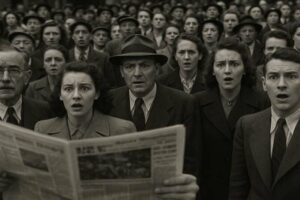
Newspapers were the central nervous system of the American home front. Front pages carried war declarations, draft instructions, casualty lists, Liberty Loan totals, and food-conservation appeals. The New York Times of April 7, 1917, announced the decision with a headline that mixed legislative detail and national drama: “CONGRESS DECLARES WAR ON GERMANY; PRESIDENT SIGNS RESOLUTION.” Local papers printed the names of men called for examination, listed local Red Cross meetings, and ran advertisements urging readers to “Food will win the war—don’t waste it.” The foreign-language press faced particular scrutiny, and some papers were investigated or suppressed for suspected disloyalty.
“CONGRESS DECLARES WAR ON GERMANY; PRESIDENT SIGNS RESOLUTION.” — The New York Times, April 7, 1917
“Food will win the war—don’t waste it.” — U.S. Food Administration advertisement, 1917
Newspaper coverage could also mislead. On November 7, 1918, a United Press bulletin erroneously reported that the armistice had been signed. Celebrations broke out in New York and other cities before the report was corrected. The false armistice revealed how hungry the public was for peace — and how quickly wartime news could become public ritual.
Different Perspectives
White Middle-Class Women
Many white middle-class women experienced the war through voluntary organizations: the Red Cross, local defense councils, food-conservation committees, and Liberty Loan drives. They rolled bandages, canned vegetables, knitted socks, and organized canteens. The war also energized the suffrage campaign. Women argued that their war service proved their fitness for citizenship, even as most states still denied them the vote.
African Americans
For African Americans, the war promised both opportunity and betrayal. Wartime labor shortages opened industrial jobs, and roughly hundreds of thousands migrated north and west between 1916 and 1919. W. E. B. Du Bois urged Black Americans to “close ranks” in The Crisis in July 1918: “Let us, while this war lasts, forget our special grievances and close our ranks shoulder to shoulder with our own white fellow citizens and the allied nations that are fighting for democracy.” Yet Black soldiers served in segregated units, and racial violence exploded in East St. Louis in 1917. Many Black migrants found better wages but also overcrowded housing and hostile neighborhoods.
“Let us, while this war lasts, forget our special grievances and close our ranks shoulder to shoulder with our own white fellow citizens and the allied nations that are fighting for democracy.” — W. E. B. Du Bois, The Crisis, July 1918
German Americans and Immigrants
German Americans faced a loyalty crisis. Some communities banned German-language services or textbooks; others demanded public pledges of allegiance. The writer and pacifist dissenters were watched, and enemy-alien regulations restricted travel and employment for nationals of Germany and its allies. Many German Americans complied conspicuously, buying Liberty Bonds and displaying flags, while others retreated from public ethnic life.
Labor
Organized labor gained unprecedented access to government. Samuel Gompers of the American Federation of Labor promised a “no-strike pledge” for the war’s duration in exchange for federal protection of collective bargaining. Union membership rose from about 2.6 million in 1916 to 4.1 million in 1919. But inflation erased much of the gain: prices climbed sharply between 1917 and 1920, and real purchasing power declined for many workers even as corporate profits rose.
What People Feared
The war produced a thick atmosphere of fear. People feared German spies, sabotage in factories, poisoned food, and invasion on the coasts. They feared “slackers” who avoided the draft and “disloyal” neighbors who undermined the war effort. Some fears were rational: food shortages, coal scarcity, and the 1918 influenza pandemic were real dangers. Others were exaggerated or unfounded: German-language books were not military weapons, and many accused slackers were simply poor, foreign-born, or unlucky. The American Protective League’s raids often swept up innocent men, and rumors of German plots frequently outpaced evidence. By the autumn of 1918, fear of influenza joined fear of the enemy; public health orders closed schools, theaters, and churches in many cities.
What the Sources Got Wrong
Contemporary sources contain clear errors and distortions. The false armistice bulletin of November 7, 1918, is one of the most dramatic: United Press reported that the war had ended, and crowds celebrated before official confirmation. Newspapers also popularized the term “Spanish influenza,” implying a Spanish origin for a pandemic that was not caused by Spain; wartime censorship and neutral Spain’s uncensored press helped fix the name. Official propaganda and local vigilantes exaggerated the threat of German espionage and sabotage, while “slacker raids” produced false arrests and sensational claims. These errors show how wartime urgency could turn rumor into news and suspicion into policy.
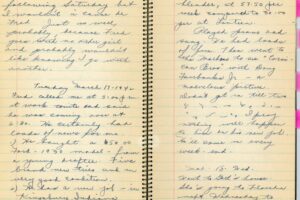
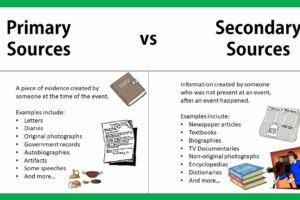
The everyday history of America in World War I is therefore not only a story of sacrifice and mobilization but also of propaganda, surveillance, and improvisation. The primary sources — pledge cards, posters, newspapers, songs, official orders, and diaries — show a nation trying to make a distant war meaningful in kitchens and factory yards. They also warn us that patriotic language can organize daily life, but it can also silence dissent and distort truth.
FAQ
Did the United States have formal food rationing during World War I?
No. The United States relied mainly on voluntary conservation, advertising, pledge cards, and local pressure rather than a comprehensive household ration-book system. The Food Administration promoted meatless Mondays, wheatless Wednesdays, and “Hooverizing,” while regulating some commercial food uses.
What was the Committee on Public Information?
The Committee on Public Information was a federal propaganda agency created in April 1917 under George Creel. It produced pamphlets, posters, films, and speakers — including the Four-Minute Men — to explain the war and encourage loyalty, conservation, and bond buying.
How did World War I change daily life for women and African Americans?
The war opened industrial and clerical jobs to many women and drew African Americans into the Great Migration toward northern and midwestern cities. These opportunities were real but limited by discrimination, unequal pay, segregated workplaces, and postwar layoffs.
What was the false armistice of 1918?
On November 7, 1918, a United Press bulletin incorrectly reported that the armistice had been signed. Celebrations broke out in several American cities before the report was corrected, demonstrating how eager the public was for peace and how quickly wartime rumor could spread.


Leave a Reply