
Short Answer
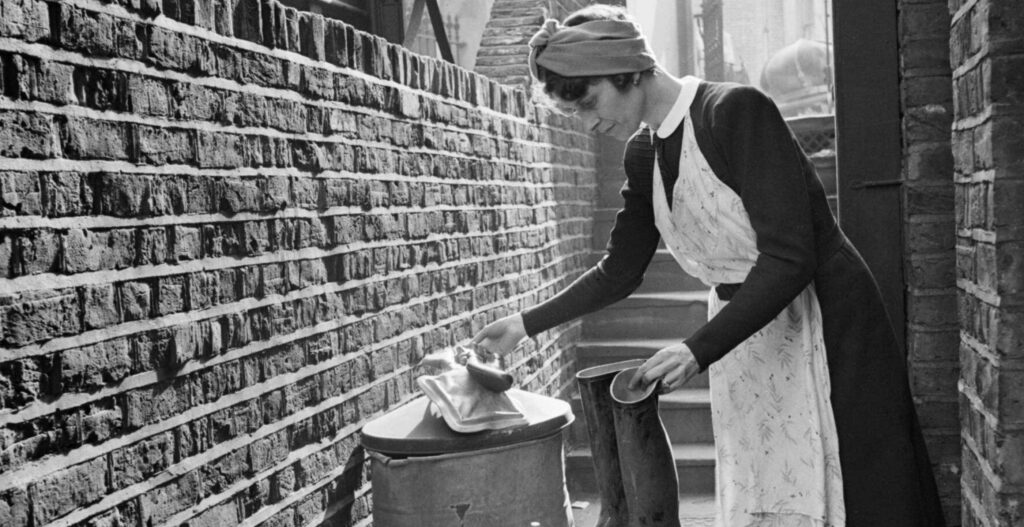
In the kitchen of a working-class home in England in 1953, a woman sits at the table with a small, leather-bound ledger and a pencil. The ration book has just been retired — rationing was almost entirely phased out that year — and in its place the account book has become the household’s most important document. Across the country, from the terraced streets of County Durham to the cottages of Devon, housewives kept such ledgers, recording every penny spent on bread, milk, coal, and tea. These entries were not mere records of expenditure; they were instruments of survival, tools of a new age of choice, and the quiet foundation of a family’s economic life.
What Happened?
The early 1950s marked a decisive turning point in the British household economy. By 1953/4, rationing had been almost entirely phased out, freeing families to choose what they bought. The Ministry of Labour, eager to understand this new landscape, conducted a large-scale Family Expenditure Survey in 1953/4, asking all household members to keep records of their daily expenditures, itemising every purchase for three weeks. The survey was far more elaborate than earlier efforts, producing approximately twelve thousand records now held in The National Archives.
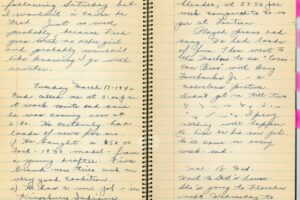
While statisticians worked, ordinary families kept their own accounts. One working-class family — a father, mother, and a single child — maintained a household account book from 1953 through 1962. The earliest surviving full set of accounts is for 1953, and it offers a detailed record of how the family spent its money each month, providing a unique window into the cost of living and rates of inflation.
The media took notice of this domestic art. On 9 December 1957, the BBC’s Panorama programme, presented by Christopher Chataway, investigated the domestic budgets of families across the country. Households from County Durham, London and Devon were compared, and housewives explained how they made their housekeeping money last throughout the week.
The Mass-Observation Archive, which had been collecting reports on everyday life since 1937, continued its work on household budgeting. Its Topic Collection TC57, “Budget, money matters and household budgeting 1939–50,” comprises six boxes of material, including reports of reactions to Sir John Simon’s emergency war budget in 1939 and 1941, personal incomes and expenditure, and devaluation.
How It Was Seen at the Time
For contemporaries, the household budget was not a private matter but a public virtue. The housewife was the keeper of the family’s purse, and her ability to “make ends meet” was a measure of her character. The BBC’s 1957 Panorama broadcast captured this ethos, showing housewives from different regions explaining how they stretched the weekly housekeeping money.
Housewives explain how they make their housekeeping money last throughout the week.
The Mass-Observation reports of the 1940s and 1950s reveal the same concern. The archive collected reports of reactions to Sir John Simon’s emergency war budget in 1939 and 1941, showing that the public was deeply engaged with household finance. The prevailing mood was one of careful management, of making do, and of taking pride in the ledger’s balance.
Historical Snapshot
| Aspect | Detail |
|---|---|
| Date | 1953–1962 (account book records); 1953/4 (Family Expenditure Survey); 9 December 1957 (Panorama) |
| Place | England — households in County Durham, London, Devon, and elsewhere |
| People | Working-class families; housewives as budget-keepers; Ministry of Labour statisticians; BBC Panorama reporters |
| What Happened | Rationing ended; households began to choose; the Ministry of Labour conducted the Family Expenditure Survey; the BBC broadcast investigated household budgets |
| Why It Mattered | The survey data provided benchmarks for the cost of living and later informed the social policy debates of the 1960s |
Eyewitness Accounts
The most intimate primary source is the family account book preserved on the 1900s.org.uk website. The webmaster, writing about her father’s records, describes it as “a unique window into the cost of living at the time and rates of inflation.” The account book covers the years 1953–1962 and records the monthly spending of a working-class family of three.
My father’s household account book for the years of 1953–1962 gives detailed records of how his working class family of a father, mother and one child spent their money each month.
The accounts are presented under key categories, as annual expenditure and as monthly expenditure. The survival of such a record is remarkable, offering a personal counterpoint to the standardised statistics of the Ministry of Labour. The Mass-Observation Archive also holds personal reports from volunteers, including indirects from 1939 and 1941 on reactions to the war budget.
Official Reports
The most significant official document of the decade is the 1953/4 Family Expenditure Survey, conducted by the Ministry of Labour. Its stated aim was to provide “benchmarks for the cost of living.” The methodology was unprecedented in its detail: all household members were required to keep records of their daily expenditures for three weeks, itemising every purchase.
The survey’s data was later analysed by Brian Abel-Smith and Peter Townsend in The Poor and the Poorest (1965). They drew on a 25 percent sample of the lowest per capita income groups. Their report was, as the British Living Standards project at the University of Sussex notes, “hugely influential in setting the social policy agenda of the 1960s.” However, the original twelve thousand records remain in The National Archives, largely unexamined.
Numbers at the Time
| Statistic | Figure | Source |
|---|---|---|
| Family Expenditure Survey records | ~12,000 | 1953/4 Ministry of Labour survey |
| Survey duration | 3 weeks of daily records | 1953/4 survey |
| Family account book coverage | 1953–1962 | Family account book |
| Panorama broadcast date | 9 December 1957 | BBC Archive |
| Mass-Observation TC57 boxes | 6 boxes | University of Sussex |
Daily Life
The daily routine of a 1950s housewife revolved around the ledger. She received the housekeeping money — a fixed sum from her husband’s wage — and planned the week’s purchases. The Mass-Observation Archive’s studies on food in England during 1950, documented by Abigail Knight, Julia Brannen, and Rebecca O’Connell, show how families managed in hard times: buying in bulk, choosing cheaper cuts, and planning meals to avoid waste.
The BBC’s Panorama of 1957 brought this domestic world to the screen. Housewives from County Durham, London and Devon were compared as they explained their weekly strategies. The programme was a rare public glimpse into the household, revealing that the art of the ledger was practiced everywhere, from the industrial north to the capital.
How Historians See It Today
At the time, the Family Expenditure Survey was viewed as a statistical exercise — a way to measure the cost of living. Modern historians, however, recognise it as a watershed. The 1953/4 survey captured the exact moment when Britain moved from a culture of scarcity to a culture of choice.
The University of Sussex’s British Living Standards project emphasises that the survey’s significance “cannot be overstated.” Yet the original data has been only partially examined: the influential analyses of Abel-Smith and Townsend were based on a 25 percent sample of the lowest per capita income groups. The full dataset, twelve thousand records, remains a resource for future research. The family account book, too, has been reconsidered. Once a private record, it is now recognised as a primary source of exceptional value — a document that shows the human side of economic history, one pencil entry at a time.
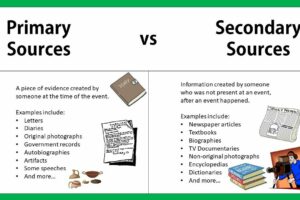
The housewife’s ledger was not just a record of money; it was a map of the family’s priorities, a record of the new world of choice that emerged after rationing, and a testament to the skill of the household manager. The primary sources — the account books, the Mass-Observation reports, the Panorama broadcast, and the Family Expenditure Survey — together reveal a society in transition, learning to spend after a decade of scarcity. They remind us that the history of economics is not found only in the reports of statisticians, but in the pencil marks of a woman at her kitchen table, balancing the week’s budget.
FAQ
What was the 'housekeeping money' in 1950s Britain?
The housekeeping money was a fixed weekly sum given by the husband to his wife to cover the household's expenses — food, fuel, cleaning, and other daily needs. It was the core of the family budget, and housewives were expected to make it last the week. The BBC's 1957 Panorama programme showed housewives from County Durham, London, and Devon explaining how they did so.
When did rationing end in Britain?
Rationing was almost entirely phased out by 1953/4. The Ministry of Labour observed that the end of rationing presented the opportunity to see what families would buy when free to choose, leading to the Family Expenditure Survey of 1953/4.
What did the 1953/4 Family Expenditure Survey involve?
The survey, conducted by the Ministry of Labour, required all household members to keep records of their daily expenditures, itemising every purchase for three weeks. It produced approximately twelve thousand records, which were later analysed by Brian Abel-Smith and Peter Townsend in The Poor and the Poorest (1965).

Leave a Reply