
Short Answer
Quick Snapshot
In 1950, the Republic of Korea (South Korea) was a fledgling democracy barely two years old, led by President Rhee Syng-man. The year began with political optimism as the nation prepared for its second legislative election, scheduled for May 30. However, that hope was shattered on June 25 when North Korean forces launched a full-scale invasion across the 38th parallel, triggering the Korean War. Within days, Seoul fell to the invaders, and the country was plunged into a brutal conflict that would reshape the peninsula for decades.
The war defined 1950 for South Korea. The invasion, known as Operation Pokpung, was a surprise blitzkrieg supported by Soviet tanks and aircraft. The South Korean army, ill-prepared and underarmed, was overwhelmed. By August, United Nations forces, led by the United States, were fighting to push back the North Korean advance. The year ended with the war in a desperate stalemate, as Chinese forces entered the conflict in late November, driving UN troops back south.
South Korea in 1950
South Korea in 1950 was a mountainous, agrarian country of roughly 20 million people. The capital, Seoul, was a city of about 1.5 million, with traditional hanok houses alongside colonial-era Japanese buildings. The climate was temperate, with hot, humid summers and cold, dry winters. The atmosphere was tense but hopeful in the early months, as the government worked to establish its authority and rebuild from the Japanese colonial period that had ended just five years earlier.
The country was divided along the 38th parallel, with the Soviet-backed Democratic People’s Republic of Korea in the north and the American-backed Republic of Korea in the south. Border clashes were frequent, but few expected a full-scale war. The landscape was dominated by rice paddies and small farms, with limited infrastructure. The war would quickly devastate this fragile nation.
Population & Economy
South Korea’s population in 1950 was approximately 20 million, with a majority living in rural areas. The economy was primarily agricultural, with rice as the staple crop. Industrialization was minimal, concentrated in a few light industries such as textiles and food processing. The war caused massive displacement and economic disruption. By the end of the year, millions of refugees had fled south, and the economy was in ruins.
Cost of living before the war was low but rose sharply with the conflict. Rice prices doubled in the first weeks of the war, and basic goods became scarce. The government struggled to maintain supply lines. The war also destroyed much of the limited infrastructure, including power plants, railways, and factories.
Government & Politics
The Republic of Korea was led by President Rhee Syng-man, who had been in office since 1948. The vice president was Yi Si-yeong. The prime minister changed three times in 1950: Yi Pom-sok served until April 21, then Shin Song-mo until November 23, and Chang Myon took over after that. The political system was a presidential republic with a National Assembly.
The 1950 legislative election, held on May 30, was a critical test for democracy. According to the Wikipedia article on the 1950 election, the election resulted in a tie between the Democratic Nationalist Party and the Korea Nationalist Party, each winning 24 seats, but a majority of the 210 seats were won by independents. Voter turnout was 91.91%. This election was seen as a victory for democratic processes, but it also revealed deep political divisions. The war that followed suspended normal politics, as the government focused on survival.
Industry
South Korea’s industry in 1950 was underdeveloped. The major industries were agriculture, fishing, and light manufacturing. There were a few textile mills, cement plants, and food processing facilities, mostly inherited from the Japanese colonial era. The war destroyed many of these. The North Korean invasion targeted industrial centers, and the retreating South Korean forces also destroyed infrastructure to slow the enemy. The United States provided economic aid, but the war made industrial recovery impossible.
One notable industry was the mining of tungsten and other minerals, which were exported. However, the war halted most exports. The industrial workforce was small, and many workers were conscripted into the military or fled as refugees.
Education
Education in South Korea in 1950 was expanding but limited. The government had established a national education system, with primary schools in most villages and middle schools in towns. There were a few universities, including Seoul National University, founded in 1946. Literacy rates were low, perhaps around 50% for adults. The war disrupted education severely; many schools were destroyed, and teachers and students were conscripted or displaced. The government prioritized education as a tool for nation-building, but the war set back these efforts.
According to the 1950 in South Korea page, the year saw the birth of painter Seok Cheoljoo on August 21, but no major educational events are recorded. The war forced schools to close or operate in exile.
Transportation
Transportation in South Korea in 1950 was rudimentary. A railway network, built by the Japanese, connected major cities, including the Gyeongbu Line from Seoul to Busan. Roads were mostly unpaved and often impassable in bad weather. Buses and trucks were scarce. The war brought transportation to a standstill. The North Korean invasion targeted railways and bridges, and the retreating South Korean army destroyed them to delay the enemy. Refugees clogged the roads, often walking south on foot.
Coastal shipping was important for moving goods and people, but the war disrupted maritime routes. The UPI report from June 25 mentions North Korean landings on the eastern coast, cutting off the coastal highway. The war made transportation a matter of life and death.
Everyday Life
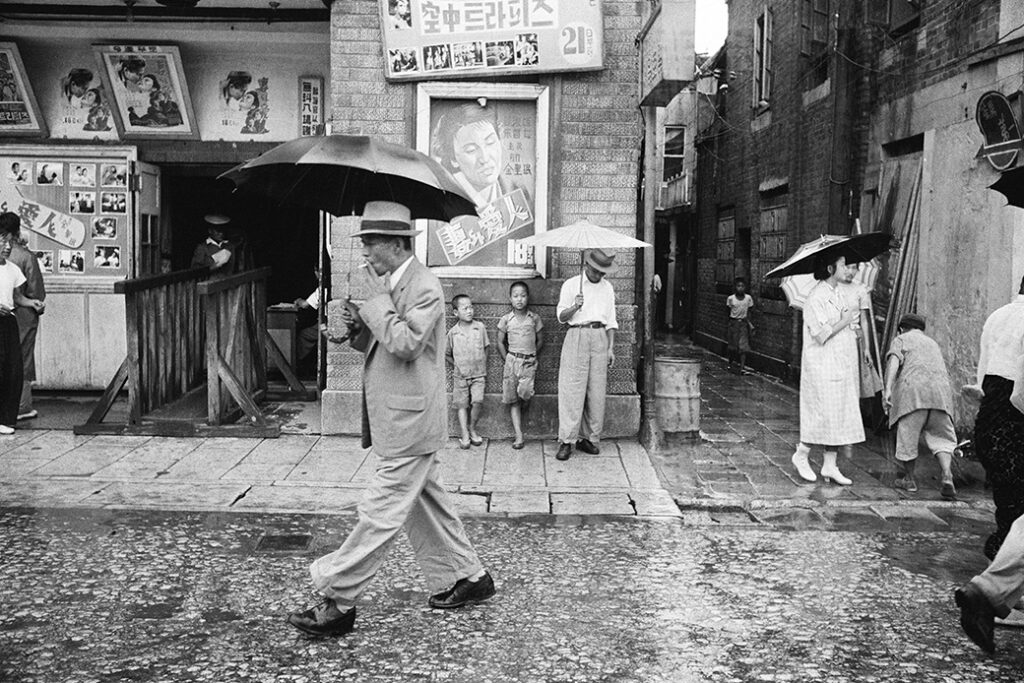
Daily life in South Korea in early 1950 was simple and rural. Most people lived in single-story houses with thatched roofs, heated by ondol floors. Meals consisted of rice, vegetables, and fish, with kimchi as a staple. Clothing was traditional hanbok for many, though Western-style clothes were becoming common in cities. Entertainment included folk music, dancing, and the cinema, which was growing in popularity.
The war shattered this routine. After June 25, families fled their homes, often with only what they could carry. The UPI article describes the invasion: “Troops from Communist-dominated North Korea launched a series of attacks across the border into American-backed South Korea early Sunday.” Many South Koreans became refugees, seeking safety in the south. The government imposed curfews, and food shortages became severe. Everyday life was dominated by fear, uncertainty, and survival.
Major Events
The most significant event of 1950 was the outbreak of the Korean War on June 25. According to the Operation Pokpung article, North Korea launched a blitzkrieg at 04:00 KST, crossing the 38th parallel with tanks and aircraft. The goal was to unify the peninsula by August 15, the fifth anniversary of Korea’s liberation from Japan. Seoul fell on June 28, just three days later.
Another major event was the May 30 legislative election, which was the first national election after independence. The election was held despite rising tensions and resulted in a fragmented parliament. The war then overshadowed everything. The United Nations Security Council called for a ceasefire, and the United States committed troops on June 27. The first major battle, the Battle of Osan, took place on July 5. By September, UN forces had pushed the North Koreans back, but China’s intervention in November changed the course of the war.
What Newspapers Were Reporting
Newspapers in South Korea and around the world reported the dramatic events of 1950. The UPI article from June 25 gave a firsthand account: “Reports from the 38th parallel, which divides the Northern and Southern parts of Korea, said that attacks were launched generally along the border. They said the North Koreans were supported by tanks in the Chunchon area, 50 miles northeast of Seoul.” The article also noted the fall of Kaesong and the landings on the eastern coast.
The New York Times headline read: “WAR IS DECLARED BY NORTH KOREANS; FIGHTING ON BORDER; Communist Regime Attacks South Republic, Uses Tanks –Broadcasts Hostilities.” The article emphasized the Soviet Union’s role and the likely appeal to the United Nations. Local newspapers, such as the Seoul Shinmun, were quickly disrupted by the war, but they had covered the election and the growing border tensions in the months before.
What People Were Talking About
In the months before the war, South Koreans were talking about the upcoming election, the economy, and the threat from the North. Many were hopeful about democracy but anxious about the divided peninsula. After the invasion, conversations turned to survival. Eyewitness accounts describe chaos, panic, and the determination to resist. Refugees spoke of the terror of bombing and the kindness of strangers. Soldiers talked about the lack of weapons and the bravery of their comrades.
Diaries and letters from the time, though scarce, reveal a mix of fear and patriotism. One soldier wrote, “We are fighting with our bare hands against tanks.” Civilians discussed where to flee and how to find food. The war became the sole topic of conversation, overshadowing everything else.
Historical Photographs
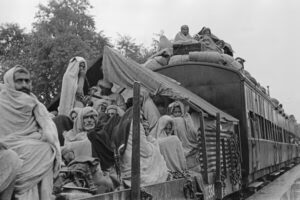
Photographs from South Korea in 1950 are powerful primary sources. They show the election campaigns in May, with crowds gathered around speakers. The invasion brought iconic images: columns of refugees on dusty roads, burning buildings in Seoul, and U.S. soldiers arriving at Busan. Photographers like Max Desfor captured the retreat from the Han River, where civilians were killed when the bridge was demolished. These images, published in magazines like Life, brought the war to the world.
Other photographs document the destruction of cities, the faces of refugees, and the daily life of soldiers. They provide a visual record of a nation in crisis. The significance of these photographs lies in their immediacy and their ability to convey the human cost of war.
Documents & Primary Sources
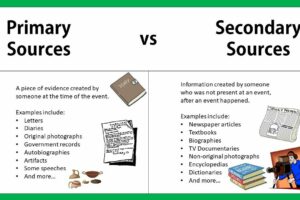
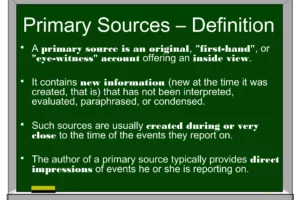
Historians studying South Korea in 1950 rely on a variety of primary sources. Government records include the official reports of the Republic of Korea, such as the minutes of the National Assembly and presidential decrees. The U.S. military and diplomatic records, now declassified, provide detailed accounts of the war and the decisions made. The United Nations documents, including Security Council resolutions, are also crucial.
Personal accounts include diaries, letters, and memoirs of soldiers and civilians. The UPI and New York Times articles are contemporary journalistic sources. The election results are documented in official government publications. The Wikipedia article cites the official election returns. Maps and photographs from the era are held in archives such as the National Archives of Korea and the U.S. National Archives.
1950 Timeline
| Date | Event |
|---|---|
| January 1 | New Year’s celebrations amid political tensions |
| April 21 | Prime Minister Yi Pom-sok resigns; Shin Song-mo takes office |
| May 30 | Legislative election held; independents win majority |
| June 25 | North Korea invades South Korea; Korean War begins |
| June 27 | UN Security Council calls for ceasefire; U.S. commits troops |
| June 28 | Seoul falls to North Korean forces |
| July 5 | Battle of Osan, first U.S. engagement |
| September 15 | Inchon landing; UN forces counterattack |
| October 19 | Pyongyang captured by UN forces |
| November 23 | Chang Myon becomes Prime Minister |
| November 25 | Chinese forces enter the war, driving UN forces south |
| December 31 | War continues with heavy casualties |
What Changed Next
The events of 1950 set the stage for the rest of the Korean War, which lasted until 1953. The war devastated South Korea, causing millions of casualties and leaving the country in ruins. However, it also solidified the division of the peninsula and led to a long-term U.S. military presence. The war accelerated South Korea’s economic and political development in later decades, but the immediate aftermath was one of reconstruction and continued conflict. The year 1950 remains a defining moment in South Korean history.
FAQ
What was the population of South Korea in 1950?
The population was approximately 20 million before the war, with a majority living in rural areas. The war caused massive displacement and casualties.
What major events happened in South Korea in 1950?
The most significant event was the North Korean invasion on June 25, which started the Korean War. Earlier, the legislative election on May 30 produced a fragmented parliament. Seoul fell on June 28, and the war continued through the year.
What primary sources are available for studying South Korea in 1950?
Primary sources include government records, U.S. diplomatic documents, UN resolutions, contemporary newspaper articles (UPI, NYT), personal diaries and letters, photographs, and election returns. These can be found in national archives and online databases.
How did daily life in South Korea in 1950 differ from today?
Daily life was much more rural and traditional, with limited technology and infrastructure. The war disrupted everything, forcing people to flee and face food shortages. Modern conveniences like electricity and running water were rare outside cities.


Leave a Reply