
Short Answer
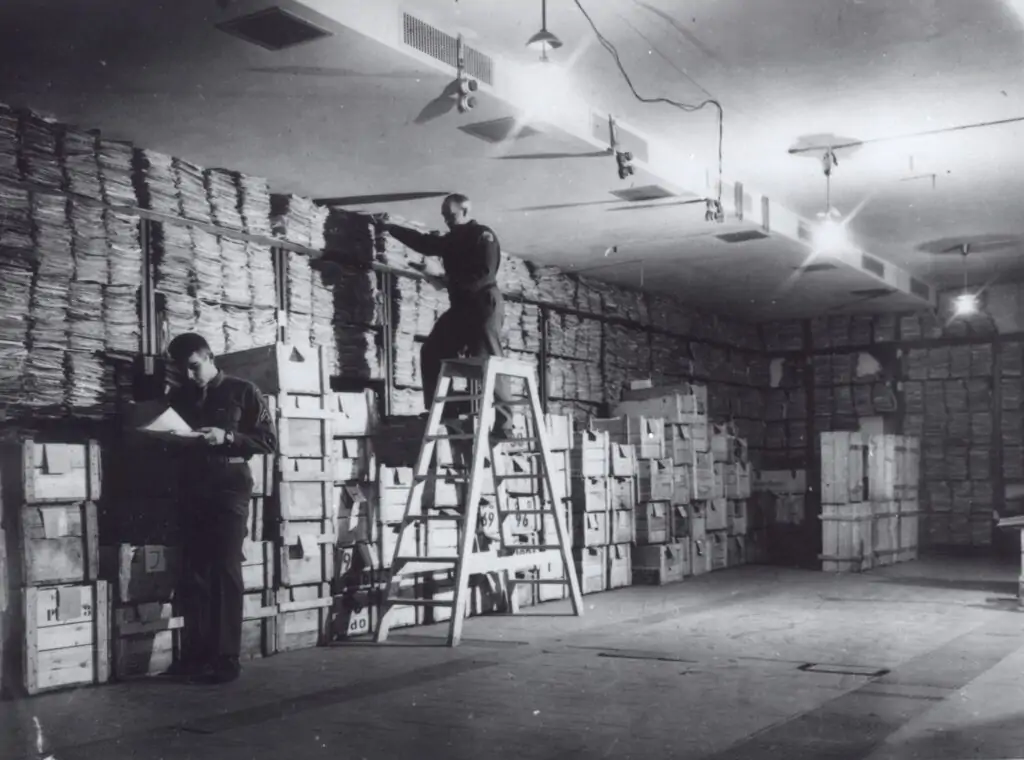
In the summer of 1945, the streets of Berlin were a landscape of rubble and silence. The war had ended, but the Allied occupation had just begun, and with it came a task unprecedented in modern history: to strip an entire nation of its governing ideology. As the smoke cleared over Germany, the victorious powers—American, British, French, and Soviet—launched a program they called Entnazifizierung, or denazification. By August 1945, the Potsdam Agreement had set the framework, urging the removal of all Nazi influence from German society, culture, press, economy, judiciary, and politics. Within months, thousands of Germans would be arrested and interned, and millions would be required to fill out questionnaires, appear before denazification courts, and account for their actions during the Third Reich. The term itself, as historian Frederick Taylor noted, was first used in 1943 by the Pentagon, but its meaning would expand far beyond the legal system to encompass nothing less than the remaking of a nation’s soul.
What Happened?
The denazification program unfolded in stages, beginning with the Potsdam Agreement of August 2, 1945, which solidified the Allied intention to remove all Nazi influence from German society (Encyclopedia.com). The Allied Control Council, representing the four occupation zones, soon issued directives to guide the process. The most concrete of these was Control Council Directive No. 38 of October 12, 1946, which gave specific form to the denazification called for in the Potsdam Agreement (German History Docs).
The program’s scope was immense:
- Mass arrests and internment: Between May 1945 and January 1947, some 183,000 people were confined in internment camps across the three Western occupation zones; of these, an estimated 86,000 were eventually freed (Encyclopedia).
- Denazification courts: All adult Germans were to appear before Spruchkammern (denazification courts), where their conduct during the Third Reich would be examined and they would be placed into one of five categories: major offenders, offenders, lesser offenders, followers, or exonerated persons (German History Docs).
- Punishments: Depending on the category, punishments ranged from the death penalty or long prison sentences for major offenders, to confiscation of property, bans on exercising one’s profession, pay cuts, travel restrictions, and compulsory registration with the authorities (German History Docs).
- Trials of war criminals: The Nuremberg trials of 1946 tried the most prominent Nazi leaders for war crimes, setting a precedent for international justice (Wikipedia).
The program was not static. According to historian Frederick Taylor, the term “de-nazification” was first coined in 1943 by the Pentagon, intended for the narrow purpose of the post-war German legal system, but it later acquired a broader meaning (Wikipedia). However, very soon after the program began, the emergence of the Cold War led the Western powers—especially the United States—to lose interest in the denazification effort, somewhat mirroring the “Reverse Course” in American-occupied Japan (Wikipedia).
How It Was Seen at the Time
Contemporaries saw denazification as an “ideological cleanse”—a deliberate attempt to change the very way the enemy thinks (Cambridge Blog). The Allies were determined to avoid the failures of the Treaty of Versailles (1919) by not only defeating Germany militarily, but by remaining in the country for an extended period and re-educating its people. As the Cambridge Press blog put it, “To preserve peace in Europe, Nazism and militarism were to be isolated and purged from German society.”
“The purpose of denazification is to remove from German public life and from the German economy all influences of the National Socialist Party and its members.” — Control Council Directive No. 38 (paraphrased)
For the German public, the process was often experienced as a humiliating and intrusive bureaucratic exercise. Every adult had to complete a Fragebogen (questionnaire) detailing their party memberships, jobs, and activities under the Nazis. Many feared that the program would become a collective punishment. At the same time, the Allied authorities insisted that the program was not about vengeance but about ensuring that Nazism could never again take root. The prevailing mood among the occupiers was one of determination, tempered by the practical challenges of governing a destroyed country.
Historical Snapshot
| Aspect | Detail |
|---|---|
| Date | 1945–1949 (post-war occupation period) |
| Place | Germany and Austria, occupied zones (American, British, French, Soviet) |
| People | Allied military governments; German administrators; denazification courts (Spruchkammern); millions of German civilians |
| What Happened | Removal of Nazi Party and SS members from power; internment of 183,000; trials of major criminals; classification of all adults into five categories |
| Why It Mattered | Seek to purge Nazi ideology from German society, culture, press, economy, judiciary, and politics; laid the groundwork for a democratic reconstruction |
Key Documents
- Potsdam Agreement (August 2, 1945) — The Allied declaration that urged the removal of all Nazi influence from the German state and society.
- Law for Liberation from National Socialism and Militarism (March 5, 1946) — The legal foundation for the internment and prosecution of Nazi members in the Western zones (Encyclopedia).
- Control Council Directive No. 38 (October 12, 1946) — A detailed directive that defined the five categories of offenders and the punishments for each category, and required all adults to appear before denazification courts (German History Docs).
Numbers at the Time
| Statistic | Figure | Source/Year |
|---|---|---|
| People interned in camps (Western zones) | 183,000 | May 1945–January 1947 (Encyclopedia) |
| Interned persons released | 86,000 | January 1947 (Encyclopedia) |
| Offender categories | 5 | Control Council Directive No. 38, 1946 (German History Docs) |
| Year of the directive | 1946 | October 12, 1946 (German History Docs) |
Timeline
- 1943 — The Pentagon first uses the term “de-nazification” in a narrow sense (Wikipedia).
- May 1945 — Germany surrenders; Allied occupation begins.
- August 2, 1945 — The Potsdam Agreement is signed, calling for the removal of Nazi influence.
- 1945–1947 — Mass arrests and internment of suspected Nazis; 183,000 confined in camps.
- October 12, 1946 — Control Council Directive No. 38 establishes the five-category classification system.
- 1946–1949 — Denazification courts operate in all zones.
- Late 1940s — The Cold War leads the Western powers to soften the program; the Federal Republic of Germany is founded in 1949.
Aftermath
By the late 1940s, denazification had become increasingly lenient. The Western powers, now focused on rebuilding Germany as a bulwark against Soviet communism, began to reverse course. The United States and its allies quietly allowed many former Nazi Party members to return to public life, especially in the judiciary, civil service, and even the new West German government. The Cold War, as historian Frederick Taylor observed, caused the program to lose momentum (Wikipedia). The program officially ended with the founding of the Federal Republic in 1949, but its legacy was mixed: while the most prominent war criminals had been tried and punished, many thousands of lesser offenders escaped meaningful consequences. The Soviet zone, meanwhile, pursued a more radical purge of former Nazis, but often with a different political agenda.
How Historians See It Today
Historians today view denazification as a complex and contested project. Contemporary observers saw it as a necessary “ideological cleanse” to prevent future wars (Cambridge Blog). Modern scholars, however, emphasize its limitations. Frederick Taylor, for example, notes that the term was originally narrow, but the program’s scope became immense, yet its implementation was often inconsistent. The Western powers’ loss of interest due to the Cold War is now seen as a turning point. Many historians argue that the program was a failure in that it allowed many former Nazis to re-enter public life, but it did succeed in the public sphere by removing the most visible symbols of Nazism and laying the groundwork for democratic institutions. Others point out that the denazification courts were overwhelmed, and the questionnaires were often unreliable. The program’s legacy remains a subject of debate, but it is recognized as an unprecedented attempt to change the political culture of a nation through systematic legal and social engineering.
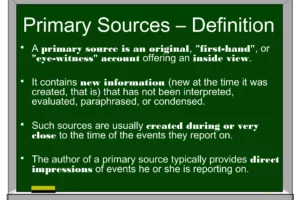
In the end, the primary sources—the Potsdam Agreement, the Control Council directives, and the testimonies of the courts—reveal that denazification was a massive undertaking that was both a moral reckoning and a political compromise. The program’s successes and failures continue to inform how we think about justice, reconciliation, and the remaking of a society after a catastrophic conflict.
FAQ
What was the purpose of denazification?
Denazification was an Allied initiative to rid German and Austrian society, culture, press, economy, judiciary, and politics of Nazi ideology after World War II. It involved removing Nazi Party and SS members from positions of power, disbanding Nazi organizations, and trying prominent Nazis for war crimes (Wikipedia).
How did denazification classify people?
Control Council Directive No. 38 of October 1946 established five categories: major offenders, offenders, lesser offenders, followers, and exonerated persons. Every adult German had to appear before a denazification court to determine their category (German History Docs).
Why did denazification end?
The program lost momentum due to the Cold War. The Western powers, especially the United States, began to prioritize rebuilding Germany as an anti-communist ally, leading to a 'Reverse Course' that softened denazification and allowed many former Nazis to return to public life (Wikipedia).











Leave a Reply