Short Answer
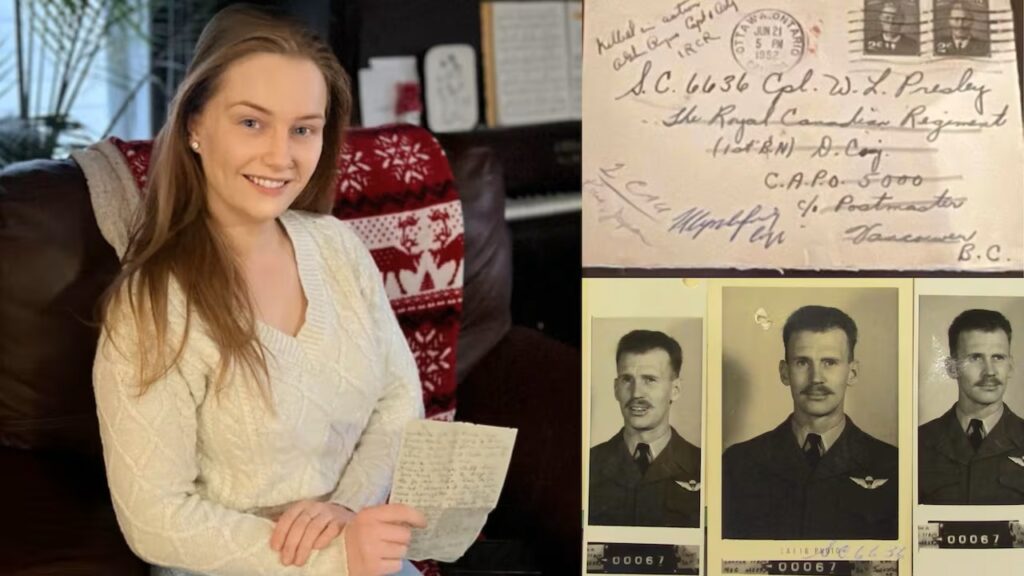
In the autumn of 1950, a young Marine corporal named Donald Booth sat down with pen and paper somewhere in Korea to write to his parents and younger brother. He was one of hundreds of thousands of American servicemen who turned to letter-writing as a lifeline to the world they had left behind. The Korean War, which erupted on June 25, 1950, and ground on until the armistice of July 27, 1953, produced an extraordinary record of personal correspondence—letters and diaries that captured the soldier’s fear, boredom, hope, and longing, and the anxieties of the civilians who awaited them. Preserved in archives such as Chapman University’s Center for American War Letters, these collections offer a raw, unmediated window into the conflict as it was experienced by those who lived through it, far from the headlines and official dispatches.
What Happened?
The Korean War began on June 25, 1950, when North Korean forces crossed the 38th parallel into South Korea. Within weeks, the United States and other United Nations members intervened, and by autumn the first American combat troops were engaged. The war would last three years, claiming the lives of more than 33,000 Americans and wounding over 100,000 more. Throughout the conflict, the military postal system operated around the clock, carrying millions of letters between the front lines and the American home front.
The letters were subject to military censorship—soldiers were prohibited from revealing their location, unit strength, or operational plans—but the emotional content flowed freely. The most significant surviving collections include:
- Don R. Booth Korean War Correspondence (Chapman University): Approximately 275 letters written by Cpl. Donald Booth, USMC, to his parents and younger brother between September 5, 1950, and January 10, 1954. Booth, who later became a Chapman University professor, wrote continuously throughout his enlistment.
- Robert C. Janes Letters: Letters written by PFC Robert Janes, a 20-year-old Marine with the 5th Marine Regiment, First Marine Division, to his wife and father-in-law from April 5, 1951, to April 10, 1952. Janes served through the two phases of the Chinese Spring Offensive and the United Nations Counter-offensive.
- Joseph DeHaan Korean War Correspondence (Chapman University): Letters from PFC Joseph DeHaan, USA, to Dorothy Page, beginning in April 1950, before the war began, and continuing through the conflict.
- Letters to Ann: A published collection of letters from a soldier to his wife, Ann, during 1950–1951, compiled by Ann Marie.
How It Was Seen at the Time
For the soldiers and civilians who exchanged them, the letters were not merely communication—they were a means of preserving sanity, identity, and connection. The prevailing tone was not heroic but deeply personal. Robert Janes, writing to his wife and father-in-law from the front line, described the war in unadorned terms:
“The following excerpts are from letters written by me while serving on the front line during the Korean War. I was a 20-year old Private First Class with the United States Marine Corps Reserve.”
Janes later noted that his unit fought through “some of the heaviest fighting of the Korean War” during the two phases of the Chinese Spring Offensive and the UN Counter-offensive. The letters were also read as comfort on the home front. The published collection Letters to Ann was praised by Colorado Public Radio: “Love pours through these letters!” and by the Miami Herald‘s Glenn Garvin: “It’s impossible to read this without being charmed and touched.” The letters were seen as a lifeline—a way for soldiers to remain present in the lives of the people they had left behind, and for civilians to feel they were sharing the burden.
Letters & Diaries
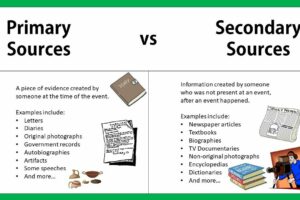
The letters themselves are the core primary source. Booth’s 275 letters, written to his parents and younger brother, trace his entire enlistment, from training to combat to the long months of waiting. The finding aid notes that the collection spans “1950 September 5 – 1982 March 31,” with the bulk from the war years, and includes letters from Booth’s later life, showing how the correspondence continued as a thread through his life.
Janes’ letters, published in Morning Calm Broken: Letters from a Forgotten Front Line Korea, 1951-52, provide a front-line view of the war. He wrote to his wife and father-in-law, and the letters were later collected and annotated by the Korean War Educator. The DeHaan correspondence, beginning in April 1950, captures the transition from peacetime to war, with letters dated 1950-04-10 through 1950-06-16 and beyond. These collections show how the war was not a single event but a prolonged, daily experience of waiting, writing, and hoping.
Eyewitness Accounts
The letters are eyewitness testimony. Janes served with Easy (E) Company, 2nd Battalion, 5th Marines, and his letters describe the “two phases of the Chinese Spring Offensive and the United Nations Counter-offensive,” a period of intense combat. The DeHaan letters, written by PFC Joseph DeHaan, USA, to Dorothy Page, capture the experience of an ordinary soldier in the early months of the war. The Booth letters, written by a Marine corporal, describe the same war from the perspective of a young man who would later become a professor. These accounts are not official histories; they are the words of men who were there, writing without the filter of hindsight or propaganda.
Daily Life
The letters reveal the daily routines of soldiers and civilians. For the soldier, the day was filled with patrols, guard duty, the monotony of waiting, and the constant anticipation of mail. The letters describe the cold and the rain, the food, the mud, and the comfort of a letter from home. For civilians, the daily life was one of anxiety and hope—waiting for the postman, reading between the lines, and fearing the telegram that would bring bad news. The letters were a form of emotional survival, a way to keep the war from consuming everything.
Historical Snapshot
| Aspect | Detail |
| Date | June 25, 1950 – July 27, 1953 (armistice) |
| Place | Korean Peninsula; American home front |
| People | Cpl. Donald Booth, PFC Robert Janes, PFC Joseph DeHaan, and hundreds of thousands of others |
| What Happened | Millions of letters exchanged between soldiers and civilians |
| Why It Mattered | Preserved a lasting, personal record of the war |
What People Feared
The letters reveal the fears of soldiers and civilians alike. Soldiers feared death, wounding, and being forgotten; they feared the war would never end. Families feared the knock on the door, the telegram, the unknown. The letters were a way to confront those fears and make them manageable. The fears were not unfounded—the war was brutal, and the casualties were heavy. But the letters also show the fear of the home front: the fear that the soldier would come home changed, or not come home at all.
How Historians See It Today
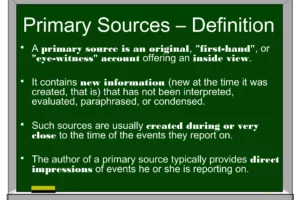
At the time, the Korean War was often called the “Forgotten War,” overshadowed by the Second World War and the Vietnam War. But the letters have helped historians recover the war’s human dimension. Modern scholarship, drawing on archives like Chapman University’s Center for American War Letters, treats these letters as primary sources of the first order—not merely personal mementos but evidence of how ordinary people experienced the war. The letters are now recognized as a corrective to official histories, showing the war as it was actually lived: with boredom, fear, love, and the mundane details of daily existence. The collections also highlight the role of civilian correspondents—wives, parents, and friends—who were the silent partners in the war, sustaining the soldiers from afar.
Aftermath
The armistice was signed on July 27, 1953, but the letters did not stop immediately. Booth’s correspondence extends to January 1954, and the collection includes letters through 1982. The soldiers returned home, and the letters were stored in attics, shoeboxes, and family archives. Decades later, they were donated to institutions like Chapman University, where they are now preserved and digitized. The letters continue to speak, offering a direct link to the men and women who lived through the Korean War and to the loved ones who waited for them.
The letters of the Korean War are more than historical documents; they are the voices of the men and women who endured the conflict. They remind us that war is not only a matter of strategy and politics but of human beings who wrote, waited, and hoped. The primary sources preserved in archives and published collections allow us to hear those voices, to understand the war as it was experienced, and to remember the cost of the conflict in the most personal terms.
FAQ
How many letters were written during the Korean War?
Exact numbers are not recorded, but the military postal system carried millions of letters between the front and the home front during the war. Collections like the Don R. Booth Correspondence preserve approximately 275 letters from a single Marine, and many similar collections exist in archives.
Where can I find Korean War letters today?
Many are preserved in archives such as Chapman University's Center for American War Letters, the Online Archive of California, and the Korean War Educator's Letters from the War Zone project. Some collections, like the Letters to Ann, have been published as books.
Were letters censored during the Korean War?
Yes, military personnel were prohibited from revealing their location, unit strength, or specific operational plans. However, the emotional content of the letters was generally not censored, allowing soldiers to express fear, loneliness, and love.

Leave a Reply