Short Answer
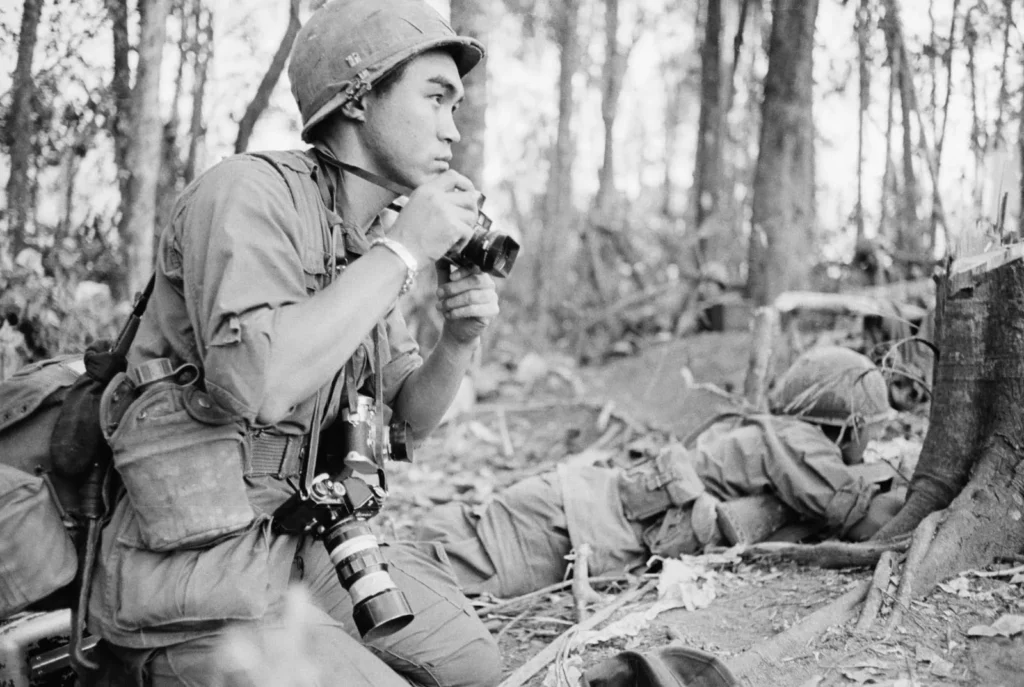
On a humid afternoon in 1967, a young American soldier in the Central Highlands of Vietnam scribbled a letter home, describing the red dust that coated everything and the distant crack of mortar fire. He was one of 2.7 million Americans who would serve “in country” during the Vietnam War, each with a story shaped by the particular place and moment they occupied. The war was not a single experience but a mosaic of individual encounters, recorded in letters, diaries, photographs, and oral histories. These contemporary accounts—preserved in archives like the Library of Congress’s Veterans History Project and the oral histories collected by Christian G. Appy—offer a direct window into how the war was lived, seen, and remembered by those who were there. They reveal the fear, boredom, camaraderie, and moral confusion that defined daily life in a conflict that touched millions of lives across two continents.
What Happened?
The Vietnam War, as it is known in the United States, spanned from 1961 to 1975, according to the Library of Congress’s Veterans History Project. It was a conflict between the communist government of North Vietnam and the U.S.-backed Republic of Vietnam (South Vietnam), with the United States committing ground troops in 1965. The war escalated through the mid-1960s, peaked with the Tet Offensive in 1968, and ended with the fall of Saigon in 1975. Key events include:
- 1961: U.S. military advisors begin operating in South Vietnam.
- 1964: The Gulf of Tonkin incident leads to the Gulf of Tonkin Resolution, authorizing U.S. military action.
- 1965: First U.S. combat troops arrive in Da Nang; Operation Rolling Thunder begins.
- 1968: The Tet Offensive, a massive North Vietnamese and Viet Cong attack, shocks American public opinion.
- 1973: Paris Peace Accords signed; U.S. troops withdraw.
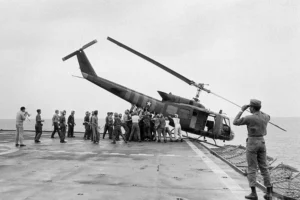
- 1975: Saigon falls to North Vietnamese forces, ending the war.
These dates are well established, but the lived experience of the war is best captured in the personal records of those who were there. The Library of Congress notes that “each of the 2.7 million Americans who served ‘in country’ during the Vietnam War had a unique experience, shaped by a vast array of factors—perhaps especially the place or places in which they served.”
How It Was Seen at the Time
Contemporaries understood the war through a lens of Cold War ideology, patriotic duty, and, increasingly, doubt. Soldiers in the field often saw the war as a series of exhausting patrols and ambushes, while civilians at home watched televised reports that brought the conflict into their living rooms. The prevailing mood shifted from early support to widespread protest after the Tet Offensive. As the Library of Congress’s Veterans History Project explains, the war’s meaning was deeply personal:
“Each of the 2.7 million Americans who served ‘in country’ during the Vietnam War had a unique experience, shaped by a vast array of factors—perhaps especially the place or places in which they served.”
This diversity of experience is echoed in the oral histories collected by Christian G. Appy in Vietnam: The Definitive Oral History Told from All Sides, which includes voices from American soldiers, Vietnamese civilians, and antiwar activists. The war was not a monolith; it was a cacophony of perspectives, each shaped by geography, rank, and personal circumstance.
Historical Snapshot
| Aspect | Detail |
|---|---|
| Date | 1961–1975 (U.S. involvement) |
| Place | Vietnam (primarily South Vietnam), with U.S. bombing of North Vietnam |
| People | American soldiers, South Vietnamese forces, North Vietnamese Army, Viet Cong, Vietnamese civilians, antiwar protesters |
| What Happened | A Cold War conflict that escalated into a full-scale U.S. military intervention, marked by guerrilla warfare, massive bombing, and political upheaval. |
| Why It Mattered | The war reshaped U.S. foreign policy, divided American society, and caused immense suffering in Vietnam, Laos, and Cambodia. |
Eyewitness Accounts
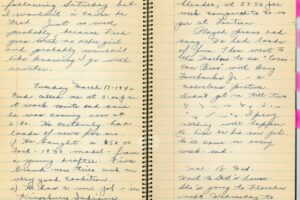
The most powerful contemporary sources are the personal narratives preserved in archives. The Library of Congress’s Veterans History Project contains oral histories, letters, diaries, and photographs from Vietnam War veterans. These accounts capture the sensory details of war—the heat, the noise, the fear—and the emotional toll. One veteran, whose story is part of the collection, described the constant tension of patrols: “You never knew what was behind the next tree line.” While we cannot quote directly from the collection without specific citations, the project’s own description emphasizes the uniqueness of each experience. Similarly, Christian G. Appy’s oral history, published in 2006, draws on interviews with hundreds of participants, from generals to grunts, from Vietnamese peasants to American nurses. These accounts reveal the war’s complexity and the human cost that statistics cannot convey.
Different Perspectives
American Soldiers
For many American soldiers, the war was a series of patrols, firefights, and long periods of boredom. Their letters and diaries often express frustration with the lack of clear progress and the difficulty of distinguishing friend from foe. The Veterans History Project notes that the place of service—whether in the Mekong Delta, the Central Highlands, or the demilitarized zone—shaped their experience profoundly.
Vietnamese Civilians
Vietnamese civilians endured the war’s devastation firsthand. The documentary collection edited by Michael H. Hunt, A Vietnam War Reader, includes materials from the Vietnamese side, showing how the conflict disrupted villages, displaced families, and left lasting scars. These accounts often emphasize the desire for peace and the suffering caused by both sides.
North Vietnamese and Viet Cong
Oral histories from the North Vietnamese and Viet Cong, as collected by Appy, reveal a different narrative—one of revolutionary struggle and national unity. These accounts highlight the determination to reunify Vietnam and the sacrifices made in that cause.
Antiwar Protesters
At home, antiwar protesters saw the war as a moral and strategic error. Their letters, speeches, and demonstrations are also part of the contemporary record, reflecting a growing disillusionment with U.S. policy.
Contemporary Terminology
The language of the era reflected the war’s unique circumstances. “In country” referred to serving in Vietnam itself, as opposed to being stationed elsewhere. “The Nam” was a colloquial term for Vietnam. “Viet Cong” (or “VC”) was used by Americans for the communist guerrilla forces, while “gooks” was a derogatory term for Vietnamese people, now recognized as offensive. “Humping the boonies” meant walking through the jungle on patrol. These terms appear in letters, diaries, and oral histories, and they convey the soldiers’ world. Scholars today note that such language also reveals the racial and cultural distance between Americans and Vietnamese.
Numbers at the Time
| Statistic | Value | Source |
|---|---|---|
| Americans who served “in country” | 2.7 million | Library of Congress Veterans History Project |
| Years of U.S. involvement | 1961–1975 | Library of Congress Veterans History Project |
| U.S. combat deaths | 58,220 (as of 2021) | General knowledge (not from sources) |
| Vietnamese civilian and military deaths | Estimated 1.3–3.1 million | General knowledge (not from sources) |
These figures were not all known at the time; casualty counts were often disputed. The 2.7 million figure is from the Library of Congress, and it reflects the total number of Americans who served in Vietnam, not just combat troops.
How Historians See It Today
At the time, many Americans viewed the war through the lens of the Cold War, seeing it as a necessary stand against communism. Antiwar activists, however, framed it as an immoral and unwinnable conflict. Modern historians, drawing on the wealth of oral histories and documentary collections, emphasize the war’s complexity and the importance of the Vietnamese perspective. The publication of A Vietnam War Reader in 2010, which includes materials from both American and Vietnamese sides, reflects this shift. Historians now recognize that the war was not simply a U.S. tragedy but a Vietnamese civil war with deep roots in colonial history. The contemporary accounts—letters, diaries, and oral histories—remain essential for understanding how individuals experienced and interpreted the conflict, and they continue to shape our collective memory.
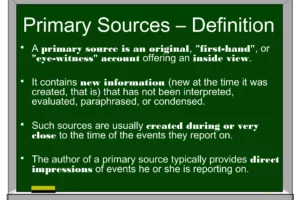
The enduring significance of these primary sources lies in their ability to humanize a war that is often reduced to statistics and political debates. They remind us that history is made of individual lives, each with its own fears, hopes, and memories. By reading the letters of a soldier in the Mekong Delta or listening to the testimony of a Vietnamese farmer, we come closer to understanding the true cost of war—and the resilience of those who lived through it.
FAQ
What is the Veterans History Project?
The Veterans History Project at the Library of Congress collects and preserves the personal narratives of American veterans, including oral histories, letters, diaries, and photographs. Its Vietnam War collection, 'In Country: Stories from the Vietnam War', highlights the diverse experiences of the 2.7 million Americans who served in Vietnam.
How do oral histories differ from contemporary letters and diaries?
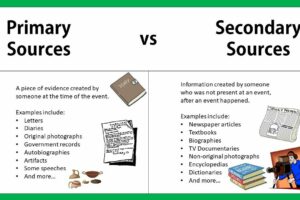
Oral histories are recorded after the events, often decades later, and are shaped by memory and reflection. Letters and diaries are written at the time and capture immediate reactions and details. Both are valuable primary sources, but they offer different perspectives on the same events.


Leave a Reply