
Short Answer
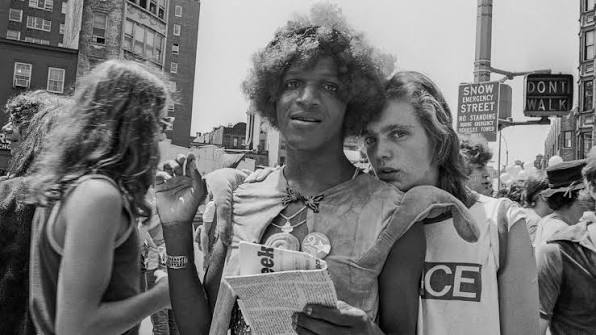
On the night of Friday, June 27, 1969, a police raid on the Stonewall Inn, a gay bar on Christopher Street in New York’s Greenwich Village, exploded into a weekend of open rebellion. For three nights, a crowd of drag queens, hustlers, and street people fought back against police, shouting “Gay Power!” and “I’m a faggot, and I’m proud of it!” The events were witnessed and recorded by reporters who were on the scene, and their articles, published in The Village Voice on July 3, 1969, remain the most direct contemporary account of what happened. This article reconstructs the Stonewall Riots through those primary sources, showing how the uprising was experienced, reported, and understood in the moment.
What Happened?
The Stonewall Inn was one of the largest and most popular gay bars in New York City, and it had been raided before. On Friday, June 27, 1969, police entered the bar for the second time in a week, just before midnight. According to Howard Smith, a reporter who was inside, the raid was led by Deputy Inspector Pine. The police began to clear the bar, ejecting customers onto the street. But instead of dispersing, the crowd outside grew restive. The scene quickly escalated.
- Police arrested employees and patrons, but a crowd of onlookers began to gather outside, taunting the police.
- The crowd began to throw pennies, bottles, and other objects at the police, who then barricaded themselves inside the bar.
- Lucian Truscott IV, writing in The Village Voice, described the scene: “The forces of faggotry, spurred by a Friday night raid on one of the city’s largest, most popular and longest lived gay bars, the Stonewall Inn, rallied Saturday night in an unprecedented protest against the raid and continued Sunday night to assert presence, possibility, and pride until the early hours of Monday morning.”
- The protests continued for three nights, with the crowd chanting “Gay Power!” and “I like boys!”
- The police called in reinforcements, and the bar was eventually set on fire. The crowd was only dispersed in the early hours of Monday.
The exact timeline is confirmed by Truscott’s article, which described the raid on Friday and the protests on Saturday and Sunday nights.
How It Was Seen at the Time
Contemporary observers did not use the word “riot” as often as “rebellion” or “liberation.” Truscott described the event as “a kind of liberation, as the gay brigade emerged from the bars, back rooms, and bedrooms of the Village and became street people.” Howard Smith, who was with the police, called it “very scary, very enlightening.” The mood was defiant and euphoric, as the crowd shouted slogans that had never been shouted so openly before.
“I’m a faggot, and I’m proud of it!” “Gay Power!” “I like boys!” — these and many other slogans were heard all three nights.
Poet Allen Ginsberg, who visited the scene, told Truscott: “You know, the guys there were so beautiful, they’ve lost that wounded look that fags all had 10 years ago.” This remark captured the sense of a new era dawning.
Historical Snapshot
| Aspect | Detail |
|---|---|
| Date | June 27–29, 1969 |
| Place | Stonewall Inn, 53 Christopher Street, Greenwich Village, New York City |
| People | Stonewall patrons, police officers, onlookers, and reporters |
| What Happened | A police raid on a gay bar led to three nights of protests and clashes |
| Why It Mattered | It became a symbol of gay liberation and a catalyst for the modern LGBTQ rights movement |
Contemporary Newspaper Coverage
The most important contemporary reports appeared in The Village Voice on July 3, 1969. The newspaper published two first-person accounts: Lucian Truscott IV’s “Gay Power Comes to Sheridan Square” and Howard Smith’s “Full Moon Over the Stonewall.” These articles were among the first mainstream reports to treat the events as a significant political protest, not just a riot.
Truscott’s article captured the crowd’s slogans and the sense of pride. Smith’s account, written from the police side of the barricade, described the chaos and the police’s fear. He quoted one patron shouting: “We haven’t done anything wrong and have never been convicted in no court. We have rights, and the courts should decide and not let the police do things like what happened here.”
“Very scary. Very enlightening. I had struck up a spontaneous relationship with Deputy Inspector Pine, who had marshalled the raid.”
The coverage was local and did not receive national attention at first. The New York Times published a brief story on June 29, but the Voice articles were the most detailed.
Eyewitness Accounts
Three major eyewitness accounts survive from the weekend:
- Lucian Truscott IV was a young reporter who observed the crowd from outside. His account is the most detailed description of the chants and the mood.
- Howard Smith was inside the bar with the police, and his account gives the police perspective. He described the police as “scared” and the crowd as “jubilant.”
- Dick Leitsch, president of the Mattachine Society, wrote a report titled “Hairpin Drop Heard Around the World” shortly after the events. He provided a narrative that became widely accepted, emphasizing the organized protests on Saturday and Sunday.
Leitsch’s account is preserved in the LGBT Community Center National History Archive. It was distributed by the Mattachine Society in the days following the weekend. He wrote: “The police had been raiding the Stonewall for weeks, and the patrons had had enough.”
Different Perspectives
The Police Perspective
Howard Smith’s article offers a rare glimpse into the police’s experience. He wrote that the police were “scared” and that they felt surrounded. The police had expected a routine raid but were overwhelmed by the crowd. Smith noted that the police were “enlightening” to him, as he saw their vulnerability.
The Crowd’s Perspective
From Truscott’s outside view, the crowd was jubilant and defiant. They used slogans like “Gay Power!” and “I like boys!” to assert their identity. The crowd was not merely angry; they were celebrating a new sense of power. Truscott described it as a “liberation.”
What People Feared
The primary sources reveal several fears. The patrons feared arrest, as they had been arrested many times for being gay. The crowd’s shout “We haven’t done anything wrong” reflects a fear of unjust punishment. The police feared the crowd, as they were vastly outnumbered and the crowd was throwing objects. Smith described the police as “scared” and “enlightening.”
Beyond the immediate night, there was a fear that the raids would continue and that the bar would be shut down permanently. The Stonewall was one of the few places where gay people could gather safely, and the raid threatened that. The crowd’s fierce resistance was a response to that fear.
How Historians See It Today
At the time, the events were not widely understood as a turning point. The Village Voice articles were important but did not frame the events as the beginning of a national movement. Historians today, however, view Stonewall as the catalyst for the modern gay liberation movement. The phrase “Stonewall” has become synonymous with the fight for LGBTQ rights.
Modern scholarship emphasizes that the riots were not a spontaneous outburst but the result of years of police harassment and the growing anger of the gay community. The primary sources show that the crowd was diverse, including drag queens, street people, and young people, and that they acted with intentionality.
The historiographical shift is significant: the contemporary reports saw the events as a local protest, but today’s historians see them as a pivotal moment in the history of civil rights.
In conclusion, the eyewitness accounts and contemporary reports of the Stonewall Riots offer a vivid and complex picture of a community under pressure and a moment of explosive change. They show a crowd that was both joyful and angry, a police force that was fearful and confused, and a reporter who captured the birth of a new movement. These primary sources remain essential for understanding how the past was experienced by those who lived it.
FAQ
What exactly happened at the Stonewall Inn in June 1969?
On the night of June 27, 1969, police raided the Stonewall Inn, a gay bar in Greenwich Village. Instead of dispersing, the patrons and a growing crowd of onlookers fought back, leading to three nights of protests and clashes with police. The events were reported by The Village Voice and became a catalyst for the gay liberation movement.
Why did the Stonewall riots become a turning point for LGBTQ rights?
The riots were the first time a large, diverse group of gay people openly resisted police harassment. The contemporary reports in The Village Voice and the subsequent organizing efforts, such as the formation of the Gay Liberation Front, turned the event into a symbol of resistance and a rallying point for the modern LGBTQ rights movement.



Leave a Reply