Short Answer
In October 1918, as the Great War ground toward its final weeks, a young student at Luther College in Decorah, Iowa, wrote home to his sister: “There are five boys sick with Spanish Influenza and about a dozen more sick in bed with colds, headaches etc. Gerhard has been in bed all day with a headache. Everybody is taking steps to check the spread of Spanish Influenza.” The letter, written by Sigvart Rugland, captures the bewilderment and mounting alarm of a world caught off guard by a plague that would kill more people than the war itself. Within months, the so-called “Spanish flu” would claim an estimated 250,000 lives in Britain and between 50 and 100 million worldwide, leaving behind a rich archive of letters, diaries, and newspaper reports that still speak to us today.
What Happened?
The pandemic, misnamed “Spanish flu” because Spain was the first country to openly report its outbreak, emerged in the spring of 1918. On 29 May 1918, the Hull Daily Mail reported: “The Spanish ‘Plague’: Practically all Spain is affected by the mysterious epidemic resembling influenza which is raging…” The disease spread rapidly through military camps and civilian populations, moving in three distinct waves. The first wave in spring 1918 was relatively mild; the second, in the autumn of 1918, was catastrophic, killing millions with a sudden, severe pneumonia-like illness. A third wave followed in early 1919.
- May 1918 — First reports from Spain appear in British newspapers.
- August–November 1918 — Second wave strikes globally, causing the majority of deaths.
- January–March 1919 — Third wave subsides.
- Global toll: Approximately 250,000 deaths in Britain; 50–100 million worldwide.
How It Was Seen at the Time
Contemporaries struggled to understand what was happening. The Hull Daily Mail described it as a “mysterious epidemic resembling influenza.” Newspapers speculated wildly about the cause, ranging from “divine wrath” to “bad bread,” as noted in the British Newspaper Archive blog. The prevailing mood was fear and helplessness. People felt powerless against an invisible enemy, and they turned to prayer, folk remedies, and often fraudulent cures advertised in the press. The letters of the Rugland brothers reflect this anxiety: “Everybody is taking steps to check the spread of Spanish Influenza,” Sigvart wrote, with no clear sense of what those steps should be.
“What began as rumours from Spain was soon to become a nightmarish reality, as the Spanish flu pandemic began to take hold in the United Kingdom.” — British Newspaper Archive Blog
Letters & Diaries
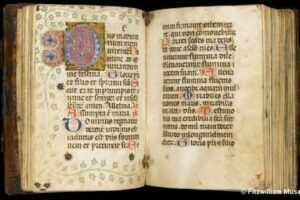
Personal correspondence and diaries provide an intimate window into the pandemic. The Rugland brothers, Gerhard and Sigvart, were Norwegian-American students at Luther College in Iowa. Their letters to their parents in North Dakota, written in October 1918, describe the sickness spreading through their campus. Sigvart wrote: “There are five boys sick with Spanish Influenza and about a dozen more sick in bed with colds, headaches etc.” Gerhard, in a separate letter, recounted his own symptoms: “I went to bed Sunday with a headache and sore throat and Monday morning I was not better but got up anyway at 6:15 and went out to breakfast. But then I had something [amiss] right away…” These letters reveal the mundane reality of illness—the headache, the sore throat, the attempt to carry on—alongside the growing fear.
Another notable letter, published in the Canadian Medical Association Journal under the title “My Dear Mother,” preserves a personal account of the pandemic. Such documents are invaluable because they capture the emotional and psychological experience of the disease, something official statistics cannot convey.
Eyewitness Accounts
The Imperial War Museum holds a remarkable collection of over 1,700 eyewitness accounts of the Spanish flu, amassed in the 1970s by historian Richard Collier and bequeathed to the museum. Researcher Hannah Mawdsley, who is studying these documents, described them as a “precious window into the human experience of the pandemic” (BBC News). The collection includes letters from survivors, doctors, nurses, and ordinary citizens who lived through the crisis. They tell of overcrowded hospitals, sudden deaths, and the surreal sense of a world where everyone was at risk. The Rugland letters are part of this broader genre of personal testimony, but they stand alone as vivid, unpolished snapshots of a student’s life during the pandemic.
Contemporary Newspaper Coverage
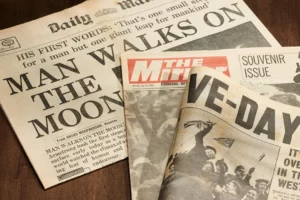
Newspapers were the primary mass medium of the era, and they reported the pandemic with a mix of alarm, speculation, and sometimes misinformation. The Hull Daily Mail’s 29 May 1918 report set the tone: “The Spanish ‘Plague’: Practically all Spain is affected by the mysterious epidemic resembling influenza which is raging…” As the pandemic worsened, newspapers published death notices, advice columns, and advertisements for purported cures. The British Newspaper Archive blog notes that the press covered “from those first rumours, to the devastation it was to cause,” and also speculated on causes “from divine wrath to bad bread.” The tone was often sensationalist, but it also reflected genuine public confusion.
“The Spanish ‘Plague’: Practically all Spain is affected by the mysterious epidemic resembling influenza which is raging…” — Hull Daily Mail, 29 May 1918
What People Knew at the Time
| What People Knew Then | What We Know Now |
|---|---|
| It was a mysterious epidemic, often called influenza | It was caused by the H1N1 influenza virus |
| It spread rapidly, and many young adults died | The virus caused a severe immune reaction, leading to high mortality in those aged 20–40 |
| There was no known cure; remedies were advertised | No effective antiviral existed; modern medicine relies on supportive care and vaccines |
| Speculated causes included divine wrath, bad bread, or bad air | The virus is transmitted through respiratory droplets and contact |
What People Feared
Beyond the immediate fear of falling ill, contemporaries feared the unknown. The British Newspaper Archive blog notes that speculation about the cause was rife: “from divine wrath to bad bread.” Many believed the disease was a punishment from God or a sign of the end times. Others feared the economic and social consequences of widespread illness. The letters of the Rugland brothers reflect a more practical fear: they worried about the spread of the disease and the health of their community. The pandemic struck at a moment when the world was already exhausted by war, adding another layer of anxiety to an already anxious time.
How Historians See It Today
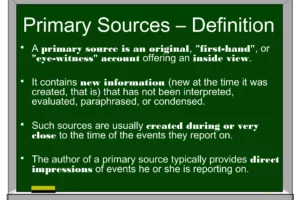
Modern historians recognize the Spanish flu as one of the deadliest pandemics in human history, but they also emphasize that the name “Spanish flu” is a misnomer—Spain was not the origin but merely the first country to report openly because of wartime censorship. Scholars now use letters, diaries, and newspapers to reconstruct the social and psychological impact of the pandemic. They stress that the pandemic was not a single event but a series of waves, and that its effects were felt across the globe. The primary sources reveal that contemporaries were not passive victims but active witnesses, who documented their fears, their losses, and their hopes. These documents remain a vital reminder of the human cost of disease.
In conclusion, the contemporary accounts of the Spanish flu pandemic—letters, diaries, and newspaper reports—offer a vivid, human story of a world in crisis. They show us that the people of 1918 were not merely statistics but individuals who experienced the disease with confusion, courage, and fear. Their words continue to resonate, reminding us of the fragility of life and the importance of remembering the past.
FAQ
Why was the 1918 pandemic called the Spanish flu?
The name arose because Spain was the first country to report the disease openly in its press, as other countries like Britain, France, and the United States censored news about the pandemic during wartime. Spain was not the origin of the virus, but the name stuck.
What do letters from the pandemic reveal about daily life?
Letters, such as those from the Rugland brothers, show that people experienced fear, uncertainty, and disruption. They wrote about sick classmates, headaches, sore throats, and the steps taken to prevent spread. They also reveal the mundane routines that continued despite the crisis.



Leave a Reply