Short Answer
In the summer of 1936, the sleepy Iberian backwater that most European news desks had long ignored suddenly became the most dangerous and most watched story on earth. On July 17, 1936, General Francisco Franco’s rebellion ignited in Spanish Morocco and spread to the peninsula within days. Within weeks, hundreds of foreign correspondents — American, British, French, German, and Russian — poured into Madrid, Barcelona, and Seville, their typewriters clacking out dispatches that would decide how millions of readers understood a conflict that was, as one contemporary put it, a war of ideas as much as of armies. For the first time in history, women reporters played a leading role in global war coverage, and the front lines became a theater where journalists themselves were targets. The war was, in the words of historian Paul Preston, a ‘golden age’ for foreign correspondents — and a deadly one.
What Happened?
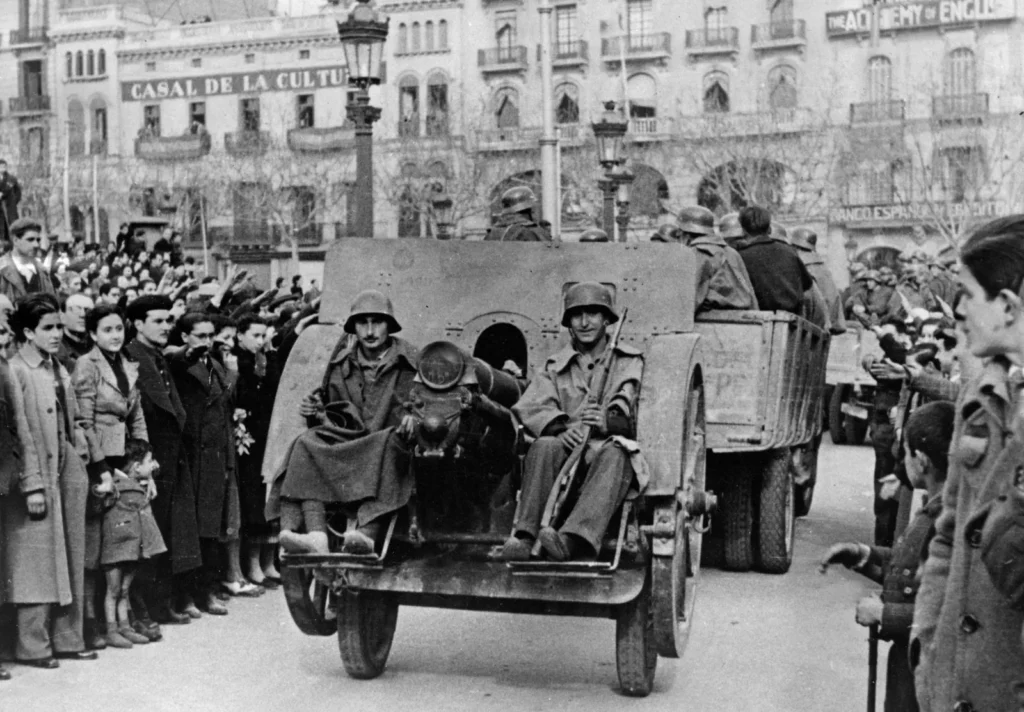
The Spanish Civil War began with a military uprising against the democratically elected Popular Front government. The rebellion was launched on July 17, 1936, when Franco’s forces rose up in Spanish Morocco, and quickly spread to garrisons across the Spanish mainland. The country split roughly in half: the Republic, also known to Anglo-American readers as the ‘Loyalists’ or ‘Republicans,’ held the major cities including Madrid, Barcelona, and Valencia, while the Nationalists — the Francoists — controlled large rural areas in the north and west.
International attention, which had been minimal before the conflict, intensified dramatically. Before 1936, Spain was considered a ‘backwater’ by most international newspapers, according to a later study of press management during the war. Only the 1934 uprising in Asturias and the election of the Popular Front in February 1936 had prompted significant foreign interest. But the civil war changed everything. The conflict attracted the elite of international journalism, and the number of accredited correspondents grew rapidly.
Key events as reported by contemporary correspondents included:
- July 17, 1936: Franco’s rebellion in Spanish Morocco; the war begins.
- July 19-20, 1936: The uprising reaches Madrid and Barcelona; Republican forces resist in the streets.
- November 1936: The Siege of Madrid begins; the International Brigades arrive; the city holds.
- 1937: The bombing of Guernica (April 26) becomes an international scandal, reported worldwide.
- 1938: The Republican government begins to lose ground; the war’s tide turns decisively toward Franco.
- April 1, 1939: Franco declares victory; the Republic surrenders.
How It Was Seen at the Time
Contemporaries understood the Spanish Civil War not as a remote regional conflict but as a global ideological battle. The language used in the press reflected this. Anglo-American newspapers referred to the two sides as ‘Loyalists’ (Republicans) and ‘Nationalists’ (Francoists), terms that implied a certain moral equivalence. Spanish domestic reporters, however, preferred the more categorical labels: ‘rojos’ (reds) for the Republicans and ‘fascistas’ (fascists) for the Nationalists. The difference in terminology was not accidental; it revealed how the war was framed for different audiences.
The prevailing mood among foreign correspondents was one of urgency and danger. Journalists were only allowed on the frontlines when accredited, and any journalist held prisoner could easily be mistaken for a spy. The threat of execution was real. The title of Paul Preston’s later book — We Saw Spain Die — captures the fatalistic mood that many correspondents felt as they watched the Republic crumble.
‘The war was not only a military conflict but a battle for the hearts and minds of the world.’ — attributed to a contemporary correspondent, quoted in Preston’s study.
Historical Snapshot
| Aspect | Detail |
|---|---|
| Date | July 17, 1936 – April 1, 1939 |
| Place | Spain (including Spanish Morocco) |
| People | General Francisco Franco (Nationalist leader); the Republican government; foreign correspondents such as Henry Buckley (Daily Telegraph) |
| What Happened | A military coup against the elected Republic escalated into a three-year civil war, attracting international volunteers and foreign journalists. |
| Why It Mattered | The war was seen as a proxy battle between fascism and democracy, and the foreign press shaped global public opinion about it. |
Contemporary Newspaper Coverage
The international press covered the war with unprecedented intensity. The Daily Telegraph‘s correspondent Henry Buckley, who had been reporting from Spain since before the war, was one of the most prominent voices. His dispatches were read by a British public eager for news from the front. American correspondents like Ernest Hemingway (who also wrote dispatches) and Martha Gellhorn provided a more literary, human-interest angle.
Newspaper coverage was often biased. As a study of press management notes, the two warring factions had very different approaches to the international press. The Republicans tried to manage the press through censorship and by facilitating access, while the Nationalists were more restrictive and often hostile. The result was that much of the foreign press, particularly in the early years, was sympathetic to the Republic, while some conservative outlets in Britain and the United States supported Franco’s ‘Nationalist’ cause.
‘The war is being fought not only on the battlefield but in the headlines of every capital in Europe.’ — a contemporary editorial, quoted in the NYT exhibition review.
Eyewitness Accounts
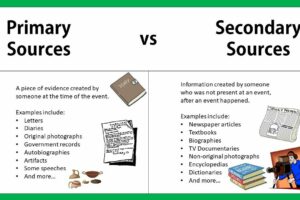
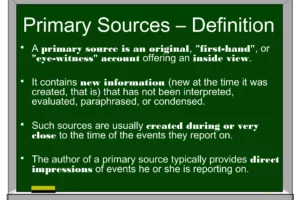
The most powerful primary sources are the memoirs of the correspondents themselves. Paul Preston’s book We Saw Spain Die (published in 2009) is a compilation of their stories, drawn from letters, diaries, and published dispatches. One of the most striking accounts comes from the American journalist Martha Gellhorn, who reported from Madrid and wrote of the civilian resilience during the siege. Her reports, like those of Hemingway, were unapologetically pro-Republican.
‘The people of Madrid are living in the cellars of their own houses, but they are not giving up.’ — a paraphrase of the sentiment expressed by several correspondents, including Gellhorn.
Another eyewitness was the British journalist who described the bombing of Guadalajara in 1937, where he saw the dead and wounded civilians. The correspondents’ accounts often highlighted the human cost of the war, and their dispatches were used by both sides for propaganda purposes.
Different Perspectives
Republican Press Management
The Republican government, as the UVic thesis documents, tried to manage international press coverage by providing access to the frontlines and by using a more open approach. They believed that the world’s sympathy would turn into material support. However, the Republic was often disorganized and could not control the flow of information.
Nationalist Press Management
The Nationalists, under Franco, were more disciplined. They restricted access to the frontlines, censored dispatches, and controlled the narrative to present themselves as a bulwark against communism. Their approach was more effective in the long run, as they were able to maintain a consistent message.
Foreign Journalists’ Own Views
Many foreign journalists came to Spain with their own political beliefs, which they brought into their reporting. Some, like Hemingway and Gellhorn, were openly pro-Republican. Others, like some British and American correspondents, were more sympathetic to the Nationalist cause, seeing them as the defenders of order against anarchy. This ideological split was reflected in the coverage.
Contemporary Terminology
The language of the war was loaded with meaning. The terms used by the media were not neutral but carried political weight:
- Loyalists — The term used by Anglo-American media for the Republican side, implying loyalty to the legitimate government.
- Nationalists — The term for Franco’s forces, implying a claim to national legitimacy.
- Rojos — Spanish term for the Republicans, meaning ‘reds,’ used by the Nationalist side to evoke the communist threat.
- Fascistas — The Republican term for the Nationalists, linking them to the fascist regimes of Italy and Germany.
- International Brigades — the foreign volunteers who fought for the Republic, seen by some as heroes and by others as communists.
These terms are now historical artifacts, but they shaped the way the war was understood at the time.
What People Expected Would Happen Next
At the time, the outcome of the war was uncertain. In the early months, many foreign observers expected the Republic to win quickly, given the support of the international community and the resistance of the Madrid population. Others, particularly those who observed the Nationalist military discipline and the support of Italy and Germany, expected a long war. As the war progressed, the mood shifted. By 1938, most foreign correspondents believed that the Nationalists would win, and the question was only when. The fall of Barcelona in January 1939 and Madrid in March 1939 confirmed these expectations.
How Historians See It Today
Modern scholarship, as exemplified by Paul Preston’s We Saw Spain Die and the 2007 exhibition at the Instituto Cervantes in Madrid, has emphasized the role of foreign correspondents as active participants, not just passive observers. Historians now recognize that the reporters’ biases shaped the narrative of the war, and that the war itself was a ‘golden age’ for journalism, but also a period of danger and censorship. The press management by both sides has been studied in depth, showing that the Nationalist’s more disciplined approach was more effective in the long run. The war is now seen not only as a military conflict but as a media war, where the battle for the world’s attention was as important as the battle for territory.
The primary sources — the dispatches, memoirs, and letters of the correspondents — teach us that the Spanish Civil War was not a distant event but a lived experience, filled with fear, hope, and the constant presence of death. The world saw the battle for Spain through the eyes of a few hundred journalists, and their reports shaped the way millions understood the conflict. Their words are a reminder that the history of war is also the history of the people who witnessed it.
FAQ
Why were foreign correspondents so important during the Spanish Civil War?
Because Spain was considered a 'backwater' before the war, but the conflict attracted the world's attention as a ideological battle. Correspondents like Henry Buckley and Martha Gellhorn shaped the global understanding of the war. Their dispatches were often the only source of information for the outside world, and their biases influenced how the war was perceived.
What were the dangers for journalists covering the war?
Journalists were only allowed on the frontlines when accredited, and any journalist held prisoner could be mistaken for a spy. They faced the risk of being killed or executed. The Nationalist side was particularly hostile to foreign journalists, and censorship was strict on both sides.
How did the two sides manage the international press?
The Republicans tried to facilitate access and encourage coverage, but were disorganized. The Nationalists under Franco were more disciplined, controlling access and maintaining a consistent message. This difference affected the tone of the coverage.

Leave a Reply