
Short Answer
On the morning of September 12, 1973, readers of The New York Times opened their newspapers to a front-page news summary dominated by a stunning international event: a military coup in Chile had overthrown the socialist government of Salvador Allende. The Times reported that Allende had died during the takeover and that a military junta had seized power. For American readers, it was a moment of shock and uncertainty—a stable democracy had been violently upended, and the Cold War suddenly seemed closer to home. Over the following days and months, the Times published a series of articles that shaped how the American public understood the coup, its causes, and its aftermath. These contemporary reports, now preserved in the Times’s archive, offer a vivid window into what people knew—and did not know—at that critical moment.
What Happened?
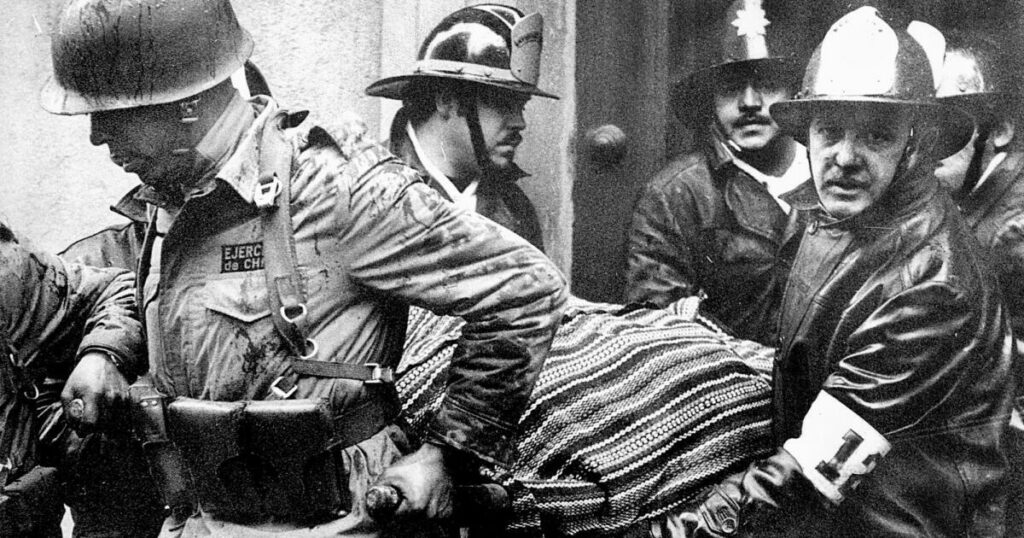
The Chilean coup began on September 11, 1973, when the military, led by General Augusto Pinochet, launched a coordinated assault against the democratically elected government of President Salvador Allende. According to the Times’s initial reports, the armed forces bombed the presidential palace, La Moneda, and demanded Allende’s surrender. Allende was reported dead by the evening of the coup, although the circumstances were initially unclear. The Times of September 12, 1973, noted that Allende’s government had been besieged by inflation and political paralysis, with the military claiming it acted to restore order.
The junta, composed of the three military branch commanders and the head of the national police, quickly consolidated power. Pinochet emerged as the strongman, as detailed in a Times profile on September 15, 1973. The Times reported that the junta suspended the constitution, dissolved Congress, and began a campaign of repression against leftists and Allende supporters. In the following weeks, the Times covered the growing violence, including the military’s attempts to control the situation.
How It Was Seen at the Time
Contemporary Times coverage framed the coup as a response to Allende’s failures. The September 12 article, titled “Power Eluded Allende, Then Slipped From His Grasp,” emphasized the economic chaos and political gridlock under Allende’s rule. The Times reported that the military had intervened to save Chile from collapse, a narrative that resonated with many readers in the United States who were wary of Allende’s socialist policies. The tone was one of cautious analysis, with the paper attempting to explain the coup’s causes rather than immediately condemning it. A key theme was the uncertainty about Allende’s death—the Times initially reported that he had died in the fighting, but later noted that he might have taken his own life. The prevailing mood among observers was fear of a prolonged civil war or of a hardline dictatorship, but the Times coverage suggested that the junta would bring order.
Contemporary Newspaper Coverage
The Times’s coverage of the coup was extensive and immediate. On September 12, 1973, the paper published a news summary and index that led with the coup, along with a detailed article on Allende’s downfall. The profile of Pinochet, published on September 15, described him as a “strongman” and a “soldier’s soldier,” noting his military career and his new role. The Times also continued to report on the situation in the following weeks, with a notable article on November 6, 1973, titled “Chile’s Military Ending Random Killings.” The article, by Jonathan Kandell, reported that the military had largely halted random killings but that official executions continued. The Times’s tone was factual but increasingly critical, as it documented the junta’s repressive measures.
“Chile’s Military Ending Random Killings” — but official executions continue.
This headline from the November 6 article reflects the Times’s evolving understanding of the junta’s brutality.
What People Knew at the Time
| What People Knew Then | What We Know Now |
|---|---|
| The coup was a military takeover to end Allende’s socialist government. | The coup was a coordinated operation by the military and the intelligence services, with possible support from the United States. |
| Allende was killed in the fighting. | Allende died by suicide, as confirmed by later autopsies and witness accounts. |
| The junta would restore order and democracy. | The junta became a brutal dictatorship that killed thousands and ruled for 17 years. |
| Random killings were ending by November 1973. | The regime continued systematic executions and torture. |
What the Sources Got Wrong
The Times’s early coverage contained several inaccuracies. The most significant was the initial report that Allende had been killed in the fighting. While the Times later corrected this to indicate suicide, the initial confusion was widespread. Additionally, the Times’s November 6 article, “Chile’s Military Ending Random Killings,” suggested that the military was moderating its behavior. However, the article itself noted that “official executions continue,” a contradiction that the Times did not fully resolve. Later historians have documented that the junta’s repression was far more extensive than the Times initially reported, with thousands of people executed and tens of thousands imprisoned. The Times’s coverage also tended to accept the junta’s justifications for the coup, such as the need to stop economic chaos, without fully questioning the military’s methods. These errors and omissions highlight the difficulty of reporting in real time during a violent coup.
What People Feared
Contemporary reports in the Times reveal a range of fears. American readers feared the spread of socialism in Latin America and the possibility of a Soviet ally on the continent. The Times reported on the Cold War implications, noting that Allende had been a Marxist. Others feared a prolonged civil war, as the coup was not initially a total victory for the junta. The Times also noted fears among Chileans of reprisals against the military, and the paper reported on the violence and the suppression of opposition. The Times itself expressed concern about the junta’s repressive measures, but it also conveyed the fear of a totalitarian left. The dominant fear was that the coup would lead to a long and brutal conflict, either between the military and the left, or between the military and the public.
Aftermath
In the immediate aftermath, the junta consolidated power. Pinochet, as the Times reported, became the head of the junta and eventually the president. The military arrested thousands of Allende supporters, dissolved the Congress, and banned political parties. The Times reported on the international reaction, including the United States’ recognition of the new government. By November 1973, the Times reported that the military was attempting to curb random killings, but that executions continued. The coup had a profound effect on the United States, which had been involved in Chile through the CIA and the Nixon administration. The Times’s coverage helped shape the American understanding of the coup, but as the years showed, the full story of the coup’s brutality and the U.S. involvement would only become known later.
The primary sources of the New York Times from 1973 offer a unique, real-time perspective on the Chilean coup. They reveal the uncertainty, the errors, and the evolving understanding of a major historical event. For historians, these articles are invaluable not only for what they reported, but for what they missed. The Times’s coverage reflects the Cold War anxieties and the limitations of contemporary journalism, reminding us that the first draft of history is often imperfect.
FAQ
How did The New York Times initially report the death of Salvador Allende?
The Times on September 12, 1973, reported that Allende had been killed during the coup, but did not specify whether he was killed in combat or took his own life. Later reports and evidence confirmed that he committed suicide.
What was the Times's coverage of the military's actions after the coup?
The Times reported on the junta's consolidation of power, including the arrests and the military's attempts to curb random killings, but also noted that official executions continued. The coverage reflected a mix of reporting on the junta's claims and the ongoing violence.



Leave a Reply