
Short Answer
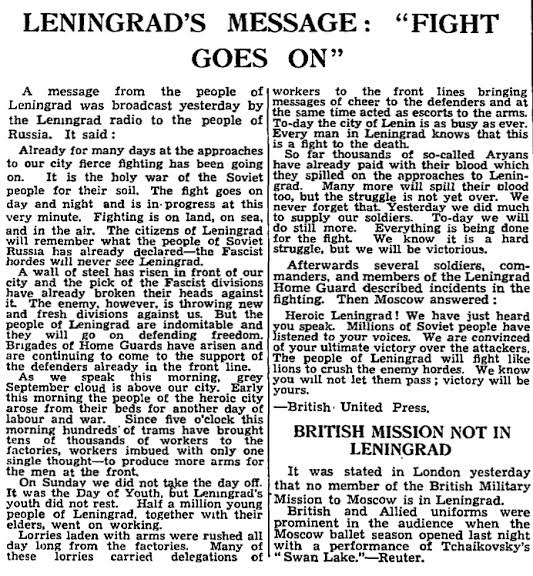
In September 1941, two and a half months after the Nazi invasion of the Soviet Union, the German Wehrmacht encircled Leningrad. Cut off from the rest of Russia, the city remained blockaded for 872 days, at a cost of almost a million civilian lives. As the blockade tightened, a mass famine set in, claiming hundreds of thousands of lives. Amid the starvation and relentless bombardment, hundreds of ordinary men and women kept diaries, recording their intimate perceptions of hunger, their fears, and their daily routines. These diaries—along with letters to the authorities—offer a rare, unvarnished view of civilian life under total war. They show how people struggled to find words for the unspeakable, how they rationed hope along with bread, and how they faced the collapse of their bodies and their world.
What Happened?
The siege of Leningrad began in September 1941, when German and Finnish forces cut the city off from the rest of the Soviet Union. The blockade lasted 872 days, until January 1944, making it one of the longest and deadliest sieges in modern history (source: The War Within, 2017). The city’s population, already swollen with refugees, was quickly subjected to severe food shortages. Rations were reduced to near-starvation levels, and the winter of 1941–42 brought extreme cold and a complete breakdown of supply lines.
The famine that followed was catastrophic. According to a study of siege diaries, “famine caused hundreds of thousands of deaths among the civilian population” (source: Gruszka, 2022). The authorities, however, downplayed or concealed the extent of the deprivation in Soviet propaganda. The diaries, by contrast, place hunger at the center of their narrative, recording the daily search for resources, the physical decay, and the psychological strain. These diaries were written by a wide cross-section of society—workers, intellectuals, housewives, and children—and they survive as a unique record of mass starvation.
How It Was Seen at the Time
For the Leningraders who lived through the blockade, the siege was not a distant military event but a daily, visceral reality. Diarists struggled to find words to describe the experience of hunger. As one scholar notes, “the search for resources (linguistic, literary, historical) and the attempts at verbalization” were central to their writing (source: Gruszka, 2022). The diaries reveal a world where food dominated all thoughts, where the body’s deterioration was measured in the shrinking of rations, and where the future was uncertain. The official narrative insisted on heroism and sacrifice, but the private records tell of fear, despair, and the breakdown of social bonds.
Letters to the authorities show a more direct plea. In a letter to the city leaders, one citizen wrote:
“Don’t We Have Enough in Russia, a Handful, to Feed Our Own?!”
This sentence, preserved in the archival fund of the Food Commission of the Military Council of the Leningrad Front, captures the desperation and the anger of civilians who felt betrayed by the state (source: Quaestio Rossica). The diarists, meanwhile, wrote not for the public but for themselves, recording the most intimate details of their daily struggle.
Historical Snapshot
| Aspect | Detail |
|---|---|
| Date | September 8, 1941 – January 27, 1944 |
| Place | Leningrad, Soviet Union (now Saint Petersburg) |
| People | Civilians, including diarists and letter writers |
| What Happened | German and Finnish forces encircled the city, leading to a 872-day blockade and a severe famine |
| Why It Mattered | It was one of the deadliest sieges in history, with nearly a million civilian deaths, and it became a symbol of Soviet endurance and suffering |
Letters & Diaries
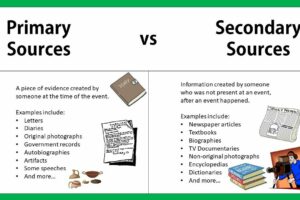
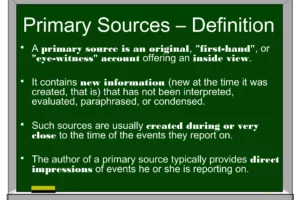
The most powerful primary sources from the siege are the personal diaries and letters. Diaries were kept by hundreds of ordinary people—men and women from all walks of life—as noted in the book The War Within (2017). These diaries were often written in secret, because the Soviet authorities discouraged any mention of the famine. They record the daily search for food, the physical and mental collapse, and the struggle to find meaning in a world of death.
One particularly poignant set of documents are the letters sent by citizens to the authorities. Approximately 400 such letters are preserved in the archival fund of the Food Commission, and they reveal the needs, interests, and aspirations of the besieged population (source: Quaestio Rossica). The letters range from petitions for extra rations to bitter complaints about the distribution system. They show how ordinary people perceived the authorities and their own situation. The title of one letter, “Don’t We Have Enough in Russia, a Handful, to Feed Our Own?!”, is a direct appeal to the state, highlighting the disconnect between the official narrative of abundance and the reality of starvation.
What People Feared
Beyond the immediate physical pain, diarists recorded a deep fear of death and of losing their humanity. They wrote about the fear of dying alone, of being forgotten, and of the breakdown of social order. The diaries show a preoccupation with the body: its weight, its weakness, and its gradual decay. The fear of being unable to continue writing—of losing the will to record—was also present. One diarist, for instance, wrote about the fear of not being able to find the words to describe the hunger, a fear that the experience would remain uncommunicable (source: Gruszka, 2022). These fears were rational, as the blockade did indeed lead to hundreds of thousands of deaths, and the psychological strain was immense.
Daily Life
Daily life during the siege revolved around the search for food and the struggle to survive. Rations were meager, and the diaries record how people spent hours each day waiting in bread lines, trying to find wood for fuel, and managing the cold. The diaries often describe the physical sensations of hunger—the gnawing in the stomach, the weakness in the limbs, and the constant cold. They also record the small routines that kept people going: the ritual of cutting bread, the careful measurement of a piece of sugar, and the hope for a parcel from the outside. The diaries show that even in the midst of catastrophe, people tried to maintain a semblance of normalcy, but the hunger was always there, shaping every thought and action.
Numbers at the Time
| Statistic | Value | Source |
|---|---|---|
| Duration of blockade | 872 days | The War Within (2017) |
| Civilian deaths | Nearly 1 million | The War Within (2017) |
| Deaths from famine | Hundreds of thousands | Gruszka (2022) |
How Historians See It Today
Modern historians have turned to the diaries and letters to recover the experience of the siege from the ground up. Alexis Peri, author of The War Within, describes these diaries as a “sensitive, at times almost poetic examination” of the siege (source: The War Within, 2017). Her work, along with other recent studies, has shifted the focus from the official Soviet narrative of heroism to the intimate, private suffering of civilians. Scholars now recognize that the diaries reveal a more complex reality: one of fear, despair, and the struggle to maintain one’s humanity in the face of total war. They also highlight the way Soviet propaganda concealed the famine, and how the diaries serve as a counter-narrative. This historiographical shift has brought the civilian experience to the center of the history of the siege, emphasizing the role of primary sources in reconstructing the past.
Today, the diaries are seen as invaluable evidence of the human cost of war, and they are used to teach about the ethics of war and the resilience of the human spirit. They are a reminder that history is not only a matter of dates and battles but also of the voices of those who lived through it.
The enduring significance of these primary sources lies in their ability to give us a direct, unfiltered view of a catastrophe. The diaries and letters of besieged Leningraders are not just historical documents; they are a testament to the power of the human spirit to record, to remember, and to bear witness even in the darkest of times. They teach us that the past is not a monolith but a chorus of individual voices, and that the true history of a war is found in the daily lives of those who endured it.
FAQ
What was the role of diaries in the Siege of Leningrad?
Diaries were kept by hundreds of ordinary citizens and served as a private record of the famine and daily life. They were often written in secret because Soviet propaganda downplayed or concealed the extent of the famine. The diaries provide an intimate, unmediated view of the physical and psychological effects of starvation, and they have become essential primary sources for historians.
How did Soviet propaganda differ from the reality of the siege?
Soviet propaganda emphasized heroism, sacrifice, and the collective struggle, while the reality was one of severe hunger, despair, and a high death toll. Diaries and letters show that civilians experienced the blockade as a catastrophic famine, and they often expressed anger and frustration at the authorities for the food shortages.




Leave a Reply