Short Answer
In the spring of 1894, the United States was in the grip of a severe economic depression. In the model town of Pullman, Illinois, just south of Chicago, workers at the Pullman Palace Car Company faced a stark contradiction: their employer, George Pullman, had cut wages by 25 to 50 percent while refusing to lower the rents in the company-owned housing. On May 11, 1894, after negotiations failed and three members of a grievance committee were fired, nearly 90 percent of the factory’s workers walked off the job. The strike that followed would not remain a local dispute. Within weeks, it would paralyze the nation’s railroads, draw the intervention of the federal government, and expose the deep fault lines between labor and capital in Gilded Age America.
What Happened?
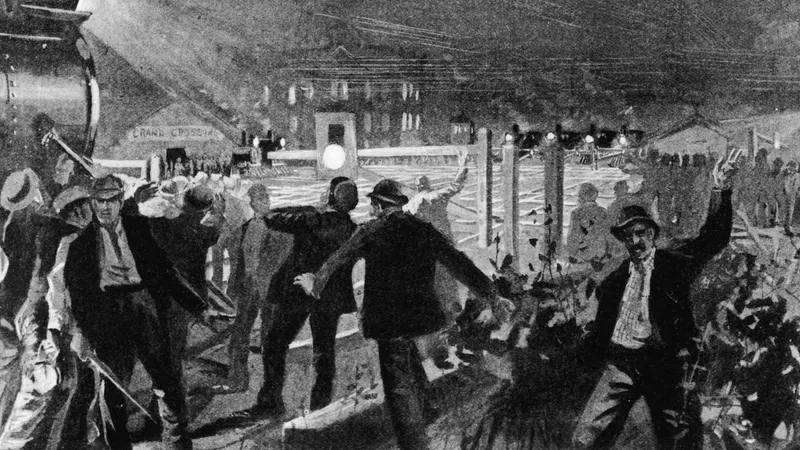
The strike unfolded in stages. On May 11, 1894, Pullman workers walked out. They appealed to the American Railway Union (ARU), a new industrial union formed in June 1893 that welcomed all white railroad employees. The ARU, led by Eugene V. Debs, attempted to arbitrate but was rebuffed. On June 20, the ARU announced that beginning June 26, its members would refuse to handle trains that included Pullman cars. The boycott spread rapidly, and within weeks an estimated 125,000 to 250,000 railroad workers in 27 states had joined, crippling rail traffic west of Chicago. The federal government, under President Grover Cleveland, obtained a comprehensive injunction against the boycott and dispatched more than 14,000 federal troops and marshals to Chicago and other cities. Violence erupted; in Chicago, soldiers fired into a crowd of 10,000, killing 25 and wounding 60. Hundreds were jailed, including Debs, who was later imprisoned for contempt of court.
- May 11, 1894: Pullman workers strike after wage cuts and rent disputes.
- June 20: ARU announces boycott of trains with Pullman cars, effective June 26.
- June 26: Boycott begins; rail traffic disrupted nationwide.
- Early July: Federal injunction issued; President Cleveland sends troops.
- July 4–6: Violence in Chicago; soldiers fire on crowds.
- July 10: Debs and other ARU leaders arrested.
How It Was Seen at the Time
Contemporaries saw the strike as a fundamental struggle between labor and capital. Eugene V. Debs, president of the ARU, framed it in stark terms in a speech on May 16, 1894:
“I believe a rich plunderer like Pullman is a greater felon than a poor thief, and it has become no small part of the duty of this organization to strip the mask of hypocrisy from the pretended philanthropist and show him to the world as an oppressor of labor…The paternalism of the Pullman is the same as the interest of a slaveholder in his human chattels. You are striking to avert slavery and degradation.”
Many in the press and government, however, saw the strike as an unlawful challenge to federal authority and the free flow of commerce. The injunction and the dispatch of troops were justified as necessary to protect the mail and interstate commerce, and to suppress what was widely characterized as an anarchic rebellion.
Historical Snapshot
| Aspect | Detail |
|---|---|
| Date | May–July 1894 |
| Place | Pullman, Illinois (near Chicago) and nationwide rail network |
| People | George Pullman, Eugene V. Debs, President Grover Cleveland, ARU members, federal troops |
| What Happened | Workers struck over wage cuts and high rents; ARU boycott paralyzed railroads; federal injunction and troops broke the strike |
| Why It Mattered | Established precedent for federal injunctions in labor disputes; highlighted tensions between labor and capital; led to Debs’s imprisonment and later socialist activism |
What People Knew at the Time
| What People Knew Then | What We Know Now |
|---|---|
| Workers knew that wages had been cut 25–50% while rents stayed high; they knew that three grievance committee members had been fired. | We know the full scale of the strike: 125,000–250,000 workers in 27 states joined, and the federal government used a sweeping injunction and 14,000 troops to break it. |
| Contemporaries knew that the ARU had called a boycott of Pullman cars, but many did not grasp the strategic importance of the injunction as a legal weapon against unions. | Historians recognize the Pullman injunction as a turning point in labor law, establishing the use of court orders to suppress strikes. |
| The public saw violence and property destruction, but the full extent of casualties—25 killed, 60 wounded in Chicago—was not immediately clear. | We now have detailed accounts of the military intervention and its long-term impact on labor organizing. |
Contemporary Newspaper Coverage
The strike dominated front pages across the country. Newspapers such as the Chicago Tribune and the New York Times provided daily updates, often with sensational headlines about “Strike Spreads” and “Troops Called Out.” Editorial opinion was sharply divided. Many papers condemned the ARU as lawless and praised President Cleveland for restoring order, while others, particularly labor-friendly journals, echoed Debs’s rhetoric about the oppression of workers. The press also reported Debs’s speeches and the federal injunction, making the strike a national spectacle. The coverage shaped public perception, turning the strike into a symbol of the era’s labor-capital conflict.
What People Feared
At the time, many Americans feared that the strike would escalate into a full-scale revolution. The economic depression of 1893–94 had already fueled social unrest, and the sight of federal troops on the lakefront in Chicago seemed to confirm the worst anxieties. Business leaders and government officials worried that the boycott would halt mail delivery and cripple interstate commerce, while the general public feared violence, looting, and the spread of anarchism. These fears were not entirely unfounded—violence did erupt—but the government’s overwhelming response also reflected a deep-seated panic about the power of organized labor.
Aftermath
The strike collapsed after the federal intervention. Debs and other ARU leaders were arrested and imprisoned for contempt of court, effectively destroying the union. The Pullman Company reopened its factory, but the model town’s reputation was permanently tarnished. The federal injunction set a precedent that would be used against labor unions for decades. Public opinion, initially sympathetic to the workers, shifted after the violence, and the strike became a cautionary tale about the limits of industrial action. Debs, radicalized by his imprisonment, later founded the Socialist Party of America.
How Historians See It Today
Modern historians view the Pullman Strike as a watershed in American labor history. They emphasize the use of the federal injunction as a powerful tool to break strikes, the role of the military in suppressing labor unrest, and the racial exclusivity of the ARU, which limited its membership to white workers. The strike is also seen as a key moment in the development of the labor movement, highlighting the tensions between craft unionism and industrial unionism. Contemporary observers saw it as a simple battle between order and anarchy; historians now understand it as a complex struggle over the meaning of industrial capitalism and the rights of workers in a rapidly changing economy.
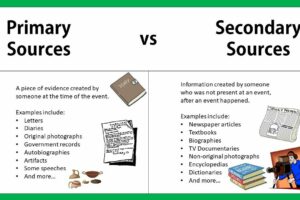
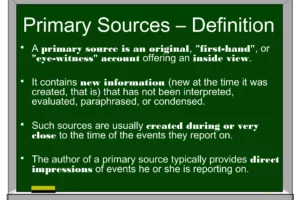
The Pullman Strike of 1894 left an indelible mark on American labor relations. The primary sources—speeches, newspaper accounts, and official records—reveal a nation deeply divided over the rights of workers and the power of capital. The strike’s failure did not end the labor movement, but it did reshape its strategies and the legal landscape. The images of federal troops on the lakefront and the words of Eugene Debs echo through history as a reminder of the high stakes of industrial conflict.
FAQ
What were the main causes of the Pullman Strike?
The immediate causes were wage cuts of 25–50% by the Pullman Palace Car Company during the economic depression of 1893–94, while rents in the company town remained unchanged. The firing of three grievance committee members triggered the walkout. The strike escalated when the American Railway Union, led by Eugene V. Debs, called a boycott of all trains with Pullman cars, which spread nationwide.
How did the federal government respond to the Pullman Strike?
President Grover Cleveland's administration obtained a federal injunction against the boycott, arguing it interfered with mail delivery and interstate commerce. When strikers refused to comply, Cleveland dispatched more than 14,000 federal troops and marshals to Chicago and other cities. The military intervention led to violence, with 25 killed and 60 wounded in Chicago, and ultimately broke the strike. Eugene Debs and other ARU leaders were arrested and imprisoned.


Leave a Reply