
Short Answer
At 7:55 on the morning of December 7, 1941, Japanese carrier aircraft struck the United States Pacific Fleet at Pearl Harbor, Hawaii. In Washington, D.C., it was just after 2:00 p.m. on a quiet Sunday. Families sat down to lunch; children listened to the radio. Then, the first fragments of news began to seep out—a trickle, not a flood. The attack was far out in the Pacific, on a small remote island, and the long shadow of time has erased much collective memory about the first few hours. For most Americans, the news came not as a single, clear bulletin but as a confusing, contradictory stream of rumors, official silences, and urgent newspaper extras. The pictures came later. What mattered at the moment was the attack’s meaning: American entry into a world war.
What Happened?
On December 7, 1941, between 7 and 8 a.m. local time, Japanese forces launched a surprise attack on the U.S. Pacific Fleet at Pearl Harbor, Hawaii. At that exact moment, in Washington, D.C., Japanese representatives were meeting with Secretary of State Cordell Hull in his office. The attack had already begun when, at approximately 2:20 p.m. in Washington, they handed Hull a note stating that their “genuine desire to come to an amicable understanding with the Government of the United States” had failed. The note accused the American government of being “obsessed with its own views and opinions” and of “scheming for the extension of the war.”
The first news reached the White House press room through Ruthjane Rumelt, an aide to White House Press Secretary Stephen T. Early. She relayed pieces of the story to reporters as they came in, fragment by fragment. Radio transmissions from Hawaii were severely constricted, and Washington authorities deemed the full scope and extent of the attack a state secret.
- 7:55 a.m. Hawaii time: Japanese aircraft begin their attack on Pearl Harbor.
- 2:20 p.m. Washington time: Japanese representatives hand Secretary Hull a formal note, delivered after the attack had begun.
- Early afternoon: White House press secretary’s aide Ruthjane Rumelt begins relaying fragments of news to reporters.
- Afternoon and evening: Radio stations interrupt regular programming with bulletins; newspapers rush out special “extra” editions.
How It Was Seen at the Time
Contemporaries experienced the news as a slow, agonizing trickle. “On December 7th, 1941, news of the Japanese attack on Pearl Harbor came in a slow trickle,” noted a public radio retrospective. “The pictures came later. What mattered was the attack’s meaning: American entry into a world war.”
“Woody Guthrie, he and I and Lee Hayes, we were having a hootenanny. And in the middle of it, somebody burst in saying, ‘Hey, the Japs have bombed Pearl Harbor.’ I didn’t even know where Pearl Harbor was.” — Folk singer Pete Seeger
Seeger’s memory captures a widespread feeling: the attack was so far away and so unexpected that many Americans had to ask where Pearl Harbor was. The initial shock was less about the destruction itself—details of which were still unknown—and more about the sudden, violent entry into a war that had been raging elsewhere for years. The prevailing mood was stunned disbelief, then a surge of anger and resolve.
Historical Snapshot
| Aspect | Detail |
|---|---|
| Date | December 7, 1941 |
| Place | Pearl Harbor, Hawaii (attack); Washington, D.C. (news dissemination) |
| People | Japanese military forces; U.S. Pacific Fleet; Secretary of State Cordell Hull; White House Press Secretary Stephen T. Early; aide Ruthjane Rumelt; American civilians |
| What Happened | Surprise attack on the U.S. naval base; Japanese representatives delivered a note to Secretary Hull at 2:20 p.m. Washington time |
| Why It Mattered | Propelled the United States into World War II; transformed the nation’s information landscape |
What People Knew at the Time
| What People Knew Then | What We Know Now |
|---|---|
| An attack on Pearl Harbor had occurred, but the scope was unclear; the full extent was treated as a state secret. | The attack destroyed or damaged much of the U.S. Pacific Fleet, killing over 2,400 Americans. |
| Radio transmissions from Hawaii were severely constricted; reporters had little verifiable information. | Modern archives have confirmed the sequence of events, the diplomatic exchanges, and the military details. |
| Wild speculation flooded the public sphere, with many fearing a West Coast invasion or sabotage. | No invasion of the mainland occurred; the attack was concentrated on the Pacific Fleet. |
| Many Americans didn’t know where Pearl Harbor was. | Today, Pearl Harbor is a well-known historical site and memorial. |
Contemporary Newspaper Coverage
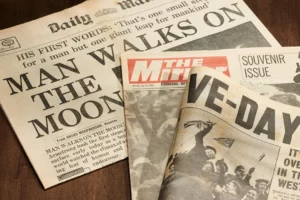
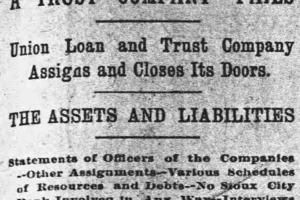
Newspapers responded with extraordinary urgency. In Redding, California, a newspaper rushed out a special “extra” on the afternoon of December 7, 1941—a single sheet with large type, the kind of edition that had been common in earlier decades but was already becoming rare in the radio age. The headline was simple and blunt: “WAR!”
“WAR!” — Headline of the Redding, California, newspaper extra, December 7, 1941 (Library of Congress)
The Washington Post later described the scene in the White House press room, where reporters gathered as aide Ruthjane Rumelt relayed pieces of the story as it came in. With radio transmissions from Hawaii constricted, newspapers and wire services struggled to confirm even basic facts. The Columbia Journalism Review noted that “with very limited access to verifiable information, newspaper and radio reporters acted irresponsibly. Wild speculation flooded the public sphere.” Analysts and outside experts were called upon to fill the void created by the lack of actual reporting. This void of information catalyzed speculation and conjecture.
Eyewitness Accounts
Folk singer Pete Seeger’s memory of the moment is one of the most vivid civilian accounts. He was at a hootenanny with Woody Guthrie and Lee Hayes in New York City when someone burst in with the news. “I didn’t even know where Pearl Harbor was,” he recalled. His account captures the distance and confusion that defined the American experience of the attack. For those on the East Coast, the event was abstract, remote, and yet immediately transformative.
In the White House press room, reporters experienced the news through the voice of Ruthjane Rumelt, the aide to Press Secretary Stephen T. Early. She became the human conduit for the fragmentary reports, giving the press a sense of an event that was still unfolding and still largely unknown.
What People Feared
The lack of information bred fear. With radio transmissions from Hawaii severely constricted, Americans on the mainland could not know whether the attack was a raid or the beginning of a full-scale invasion. Wild speculation flooded the public sphere. Analysts and outside experts filled the void with conjecture, and the media’s tendency to speculate in the early days of a crisis was already on display. Many feared a Japanese attack on the West Coast, or sabotage by Japanese Americans. Others feared that the attack was the first step in a wider Pacific war that would reach the mainland. These fears were largely unfounded—the attack was concentrated on the Pacific Fleet—but they shaped the atmosphere of the day.
Timeline
- December 7, 1941, ~7:55 a.m. Hawaii time: Japanese attack begins.
- ~2:20 p.m. Washington time: Japanese representatives hand Secretary Hull a note, delivered after the attack had begun.
- Early afternoon: White House aide Ruthjane Rumelt begins relaying news fragments to reporters.
- Afternoon: Radio bulletins interrupt programming; newspaper extras appear in cities like Redding, California.
- December 8, 1941: President Franklin D. Roosevelt addresses Congress, asking for a declaration of war.
Aftermath
The attack on Pearl Harbor ended the debate over American involvement in World War II. The slow trickle of news on December 7 gave way to a flood of coverage in the following days, as the full scope of the destruction became known. The White House, which had initially deemed the extent of the attack a state secret, gradually released details. The American public, which had been deeply divided over intervention, was now unified in its resolve. The “date which will live in infamy” became the rallying cry for a nation at war. In the weeks that followed, the attack on Pearl Harbor was a subject of endless newspaper columns, radio broadcasts, and public discussion—a transformation from the stunned confusion of the first hours to a firm, collective commitment to war.
How Historians See It Today
Historians today emphasize that the first hours of the Pearl Harbor attack were defined by confusion and misinformation. The Columbia Journalism Review notes that “the long shadow of time has erased much collective memory about the first few hours after the attack”—and that this is a good thing, because the reporting was largely irresponsible. Modern scholarship contrasts the slow trickle of information in 1941 with the live, visual coverage of September 11, 2001. As the American RadioWorks retrospective observed, on December 7, 1941, “the pictures came later,” whereas on September 11, 2001, “the nation’s TV screens deluged Americans with fresh, even live images.” The difference in media technology and culture shaped the experience of the two national traumas. Historians also note that the White House’s decision to treat the full scope of the attack as a state secret created a void that was filled with speculation and conjecture—a pattern that would repeat itself in later crises.
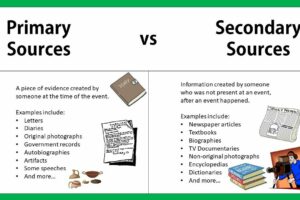
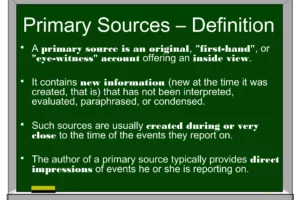
The primary sources from December 7, 1941, show a nation in the dark, grasping at fragments of news, and suddenly aware that it was at war. The shock of the attack was not just the destruction of a fleet, but the shattering of an illusion of security. The slow trickle of news, the wild speculation, and the stunned disbelief were the first experiences of a new era. In those first hours, Americans learned a lesson that would define the twentieth century: that even the most remote event could reach across the Pacific and change everything. The radio bulletins, the newspaper extras, and the voices of people like Pete Seeger remind us that history is not a single, clear bulletin, but a slow, human, and often confused process of discovery.
FAQ
How did most Americans first learn about the Pearl Harbor attack?
Most Americans learned through radio bulletins that interrupted regular Sunday programming, and through newspaper extras rushed out in the afternoon and evening. The news came in a slow trickle, and many Americans did not even know where Pearl Harbor was. White House press secretary's aide Ruthjane Rumelt relayed fragments of the story to reporters in the White House press room.
Why was the news about Pearl Harbor initially so confused?
The attack occurred far out in the Pacific, on a small remote island, and radio transmissions from Hawaii were severely constricted. Washington authorities deemed the full scope and extent of the attack a state secret. With very limited access to verifiable information, reporters resorted to speculation and conjecture, and wild speculation flooded the public sphere.
What did the Japanese representatives say when they met with Secretary of State Cordell Hull?
At approximately 2:20 p.m. in Washington, the Japanese representatives handed Secretary Hull a note stating that their 'genuine desire to come to an amicable understanding with the Government of the United States' had failed. They accused the American government of being 'obsessed with its own views and opinions' and of 'scheming for the extension of the war.'
How did the experience of Pearl Harbor differ from the experience of September 11, 2001?
On December 7, 1941, news came in a slow trickle, and pictures came later. By contrast, on September 11, 2001, the nation's TV screens deluged Americans with fresh, even live images of the terrorist attacks. The visual images helped to spark a wave of emotion. The difference in media technology shaped the historical impact of the two events.


Leave a Reply