
Short Answer
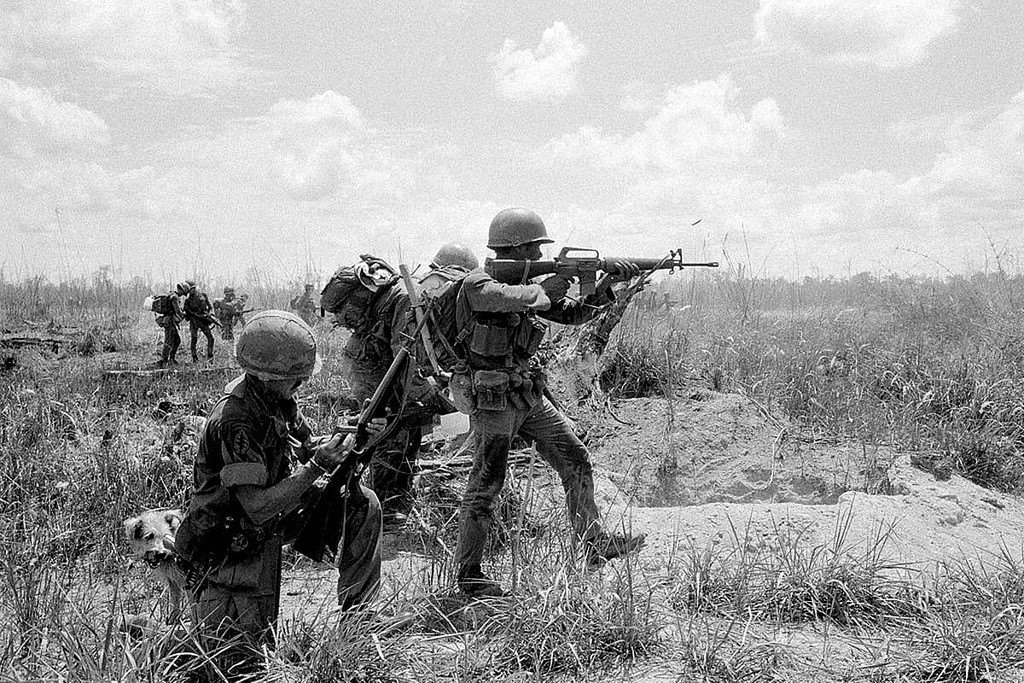
In April 1975, the Republic of Vietnam was in its final death throes. North Vietnamese forces had swept through the Central Highlands and were now closing in on Saigon from every direction. At Xuân Lộc, a small provincial town 37 miles east-northeast of Saigon, the Army of the Republic of Vietnam (ARVN) 18th Division made a desperate stand that would become the last major battle of the Vietnam War. For thirteen days, from April 9 to April 21, 1975, an understrength division held off an entire North Vietnamese army corps in some of the most intense fighting of the war’s final weeks. The battle was a moment of extraordinary courage in a time of collapse, a brief flicker of resistance that raised hopes—and then was swallowed by the inevitable.
What Happened?
The Battle of Xuân Lộc began on April 9, 1975, when North Vietnamese forces launched a massive assault on the town. Xuân Lộc was the eastern anchor of South Vietnam’s final line of defense against the North Vietnamese rush toward Saigon. The town guarded a strategic road junction northeast of the capital, and its loss would open the final avenue for the communist advance on Saigon.
The defenders were the ARVN 18th Division, commanded by Brigadier General Lê Minh Đảo. They faced an entire North Vietnamese army corps—a force vastly larger than their own. Despite the overwhelming odds, the 18th Division held its ground. The fighting was extremely heavy, and the defenders endured the onslaught with remarkable tenacity.
According to the Journal of Military History article “Fighting Is an Art”: The Army of the Republic of Vietnam’s Defense of Xuan Loc, 9-21 April 1975, the 18th Division “stopped the communist offensive before being ordered to retreat and help defend Saigon.” The battle was not a rout—it was a disciplined military stand that caught the North Vietnamese off guard.
- April 9, 1975: The North Vietnamese Army (NVA) launches its assault on Xuân Lộc.
- April 9–21, 1975: The ARVN 18th Division holds the town against the NVA corps in extremely heavy fighting.
- April 21, 1975: The 18th Division is ordered to withdraw and help defend Saigon.
- April 30, 1975: Saigon falls to North Vietnamese forces, ending the Vietnam War.
How It Was Seen at the Time
At the time, the defense of Xuân Lộc was perceived as a remarkable display of South Vietnamese fighting spirit. The HistoryNet article “South Vietnam’s Thermopylae” drew a direct comparison to the Spartan stand at the pass of Thermopylae against the Persian army—a small, outnumbered force holding a narrow position against overwhelming numbers.
“The Spartan-like defense and tragedy of Xuan Loc, April 1975.” — HistoryNet
The Journal of Military History article titled “Fighting Is an Art” captures the sense of skill and courage that contemporaries attributed to the 18th Division’s performance. The article’s abstract notes that “communist forces were guilty of over-confidence,” and the fierce resistance at Xuân Lộc was a sobering shock to their expectations.
For South Vietnamese observers, the battle briefly raised hopes that the army could still turn the tide. For the North Vietnamese, it was a reminder that the ARVN, when well led, could fight with extraordinary determination. The prevailing mood among those who followed the battle was one of cautious hope mixed with the grim awareness that time was running out.
Historical Snapshot
| Aspect | Detail |
|---|---|
| Date | April 9–21, 1975 |
| Place | Xuân Lộc, Long Khánh Province, South Vietnam (37 miles east-northeast of Saigon) |
| People | ARVN 18th Division under Brig. Gen. Lê Minh Đình vs. an entire North Vietnamese Army corps |
| What Happened | The ARVN 18th Division held off the NVA corps for 13 days before being ordered to retreat |
| Why It Mattered | It was the last major battle of the Vietnam War and a testament to the ARVN’s fighting capability |
Timeline
- April 9, 1975: The NVA launches its assault on Xuân Lộc.
- April 9–21, 1975: The ARVN 18th Division holds the town in extremely heavy fighting.
- April 21, 1975: The 18th Division is ordered to withdraw and help defend Saigon.
- April 30, 1975: Saigon falls to North Vietnamese forces, ending the Vietnam War.
What People Expected Would Happen Next
The defense of Xuân Lộc briefly raised hopes that the South Vietnamese army could still slow the North Vietnamese advance. The 18th Division’s resistance against an entire NVA corps suggested that the ARVN could fight when well led. However, the broader expectation was clear: the fall of Xuân Lộc would open the road to Saigon, and the capital’s fall was inevitable.
The North Vietnamese, meanwhile, had expected to overrun Xuân Lộc quickly. The over-confidence that the Journal of Military History article identifies led them to underestimate the ARVN’s ability to resist. The battle demonstrated that the South Vietnamese army was not the broken force many had assumed, but it was too little, too late to change the course of the war.
Aftermath
After the 18th Division’s withdrawal, the NVA took control of Xuân Lộc. The battle had opened the road to Saigon, and the North Vietnamese continued their final push. On April 30, 1975, Saigon fell, and the Vietnam War ended with the unification of the Vietnam under communist rule.
The 18th Division’s defense of Xuân Lộc became a symbol of the ARVN’s final capacity to fight. The soldiers who had held the town for thirteen days were forced to retreat, but their stand demonstrated that the South Vietnamese military could fight with courage and skill when led by capable officers. The battle was the last major engagement of the war, and it remains a lasting reminder of the human cost of the conflict.
How Historians See It Today
Modern historians have reassessed the Battle of Xuân Lộc as a significant moment in the final days of the Vietnam War. The 2004 Journal of Military History article by George J. Veith and Merle L. Pribbenow argues that the 18th Division’s defense was “largely the result of the combat skills, prior planning, and inspirational leadership of their commander, Brigadier General Lê Minh Đình.”
The article also asserts that the battle demonstrated “that even in South Vietnam’s darkest hour, the much-maligned soldiers of the Army of the Republic of Vietnam would fight when led by able officers.” This reassessment challenges the narrative that the ARVN was a completely broken army in the war’s final weeks. The Battle of Xuân Lộc shows that the South Vietnamese army could still fight with determination and courage, and it serves as a counterpoint to the broader story of the collapse of South Vietnam.
Common Misconceptions
The Battle of Xuân Lộc remains a powerful testament to the courage of the South Vietnamese soldiers who fought in the war’s final days. The primary sources—the military reports, the accounts of the battle, and the records of the soldiers who fought—tell a story of desperate bravery against overwhelming odds. The defense of Xuân Lộc was not enough to save South Vietnam, but it was a moment of dignity and courage in a tragic collapse. The battle reminds us that history’s final chapters are often written by ordinary people who, when led well, rise to extraordinary heights.
FAQ
Why was the Battle of Xuân Lộc the last major battle of the Vietnam War?
The Battle of Xuân Lộc, fought from April 9 to April 21, 1975, was the last major military engagement of the Vietnam War. After the ARVN 18th Division withdrew, the North Vietnamese Army took control of the town and continued the final advance on Saigon. Saigon fell on April 30, 1975, ending the war. No other large-scale conventional battle was fought after Xuân Lộc.
Who commanded the ARVN forces at the Battle of Xuân Lộc?
The ARVN 18th Division was commanded by Brigadier General Lê Minh Đảo. According to the Journal of Military History article by George J. Veith and Merle L. Pribbenow, General Đảo's combat skills, prior planning, and inspirational leadership were largely responsible for the division's successful defense against the North Vietnamese corps.
What happened to the ARVN 18th Division after the Battle of Xuân Lộc?
After holding Xuân Lộc for thirteen days, the 18th Division was ordered to retreat and help defend Saigon. The division withdrew from the town, and the NVA took control. The division was unable to prevent the fall of Saigon on April 30, 1975, which marked the end of the Vietnam War.












Leave a Reply