
Short Answer
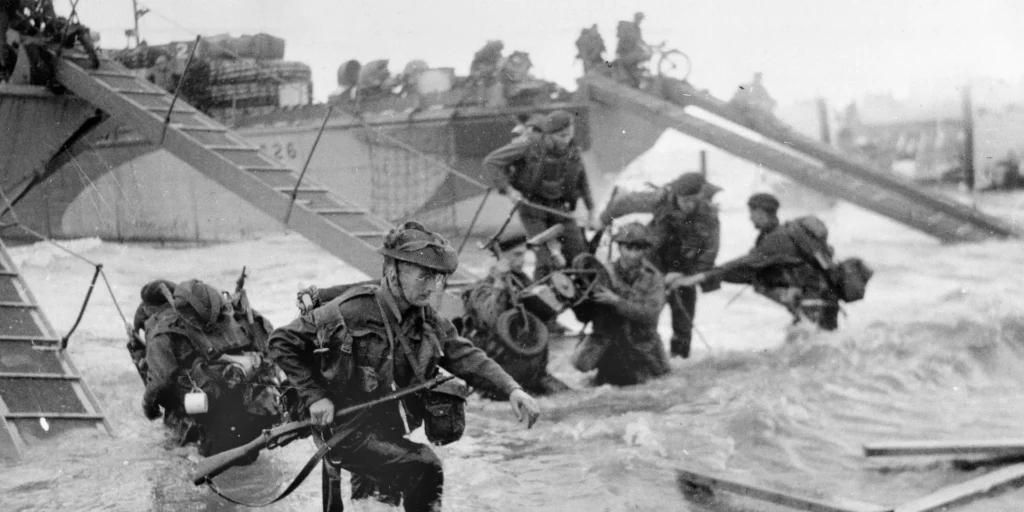
In the early hours of June 6, 1944, the largest amphibious invasion in history began on the beaches of Normandy. For the soldiers who waded ashore, the world had narrowed to a strip of sand and the roar of explosions. They carried with them not only rifles and radios, but also the weight of letters yet unwritten—letters that would later tell families at home of the fear, the chaos, and the strange beauty of a war-torn shore. As one young lieutenant wrote, “It was hard to believe that there was a war on. The shore was all lit up from explosions; it rather seemed like the 4th of July. Then 88s started landing around my boat and all of us got scared. We just had to sit there and take it!” These letters, censored and delayed, became the only bridge between the front and the home front. They reveal not only the facts of battle but the inner world of the men who fought—their exhaustion, their humor, their grief, and their unshakeable determination to see the war through.
What Happened?
The Battle of Normandy began on June 6, 1944, when Allied forces landed on five beaches along the French coast. The American 2nd Ranger Battalion, including Lieutenant Frank L. Kennard, landed on Omaha Beach and faced a brutal reception. Kennard later wrote that his equipment and half his men were wiped out on the beach, yet the seven remaining men, including himself, fought on to their objective at Pointe du Hoc—the first American unit to achieve its mission that day (D-Day Journal). Meanwhile, British and Canadian troops landed on Gold, Juno, and Sword beaches, while American forces also landed on Utah Beach. The initial landings were followed by weeks of bitter fighting in the Norman hedgerows, a maze of dense, sunken lanes and earthen embankments that slowed the Allied advance and turned every field into a defensive fortress.
By late July, the Allies had secured the beachheads but were still bogged down. The breakout came with Operation Cobra, launched on July 25, 1944, which allowed American forces to break through the German lines and begin the rapid advance toward Paris. The battle had been brutal; as one officer wrote from France on July 22, 1944, “The regiment is in contact with the enemy, so such trips always have their skin-prickling moments.” The breakout transformed the war in the West, leading to the liberation of Paris in August and the eventual defeat of Nazi Germany.
How It Was Seen at the Time
For the soldiers, the battle was a mixture of terror and routine. In letters home, they struggled to convey the intensity of their experiences. Lieutenant Kennard, writing after the landing, described the surreal spectacle of the coast: “It was hard to believe that there was a war on. The shore was all lit up with explosions; it rather seemed like the 4th of July. Then 88s started landing around my boat and all of us got scared. We just had to sit there and take it!” (D-Day Journal). An officer writing from France on July 22, 1944, revealed the psychological toll: “Yesterday I had to visit all the units again, to get statements for my report. The regiment is in contact with the enemy, so such trips always have their skin-prickling moments.” (PBS Letters from the Front). The prevailing mood was one of grim determination, tempered by the constant presence of death. Soldiers wrote not of grand strategy but of the next patrol, the next shell, and the hope of a letter from home.
Historical Snapshot
| Aspect | Detail |
|---|---|
| Date | June 6, 1944 – July 25, 1944 (breakout) |
| Place | Normandy, France (beaches, hedgerows, villages) |
| People | Allied soldiers (American, British, Canadian) and German defenders |
| What Happened | Allied invasion of Normandy; after heavy fighting, the breakout (Operation Cobra) broke the German lines |
| Why It Mattered | Opened the Western Front in Europe, leading to the liberation of France and the defeat of Nazi Germany |
Letters & Diaries
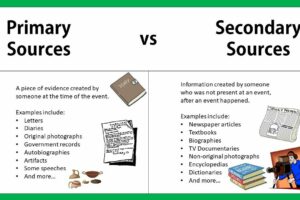
Soldiers’ letters are among the most intimate primary sources of the Normandy campaign. They reveal not only the events but the emotional landscape. Lieutenant Frank L. Kennard, a 22-year-old officer in the 2nd Ranger Battalion, wrote home before and after the landing. His letters, collected in D-Day Journal, describe the terror of the beach and the bond among his men. Another soldier, Leslie Couzens, a British infantryman, kept a diary from June 6 to July 3, 1944. His account, preserved by Hertfordshire’s community archive, gives a day-by-day view of the fighting. He wrote of the constant shelling, the exhaustion, and the strange moments of beauty amidst the destruction. The letters of an unnamed American officer, published by PBS, show the strain of command: “Yesterday I had to visit all the units again, to get statements for my report. The regiment is in contact with the enemy, so such trips always have their skin-prickling moments.”
These personal documents were often censored, so soldiers could not reveal their exact locations or the full scope of the fighting. Yet they managed to convey the emotional truth. As one soldier wrote, “I got back pretty tired about 7 o’clock, just in time to get a phone call from the CO of one of Sirrine’s battalions, also in the line, requesting me to come up to discuss personal problems of his body-guard, a fine young fellow who had simultaneously received word that his sister, an army nurse, and a brother, a flyer, had both been killed in the So. Pacific, and that his remaining brother had been critically wounded with another division here in France.”
Eyewitness Accounts
Beyond letters, soldiers left direct eyewitness accounts. Frank L. Kennard, who landed on Omaha Beach, later recounted: “We just had to sit there and take it.” His account describes the chaos of the landing, the loss of half his men and equipment, and the determination to reach the objective at Pointe du Hoc. Leslie Couzens, a British soldier, wrote in his diary on June 6: “The sea was rough, and the landing craft tossed about. We could see the beach ahead, but the Germans were firing at us.” These accounts, while personal, provide a visceral sense of the physical and emotional challenges of the battle. They also show the courage that arose under fire. Kennard’s seven men, despite being wiped out, achieved their mission, a fact he later wrote about with pride.
What People Knew at the Time
| What People Knew Then | What We Know Now |
|---|---|
| Soldiers knew their immediate mission and the chaos of the beach, but not the overall strategy or the broader progress of the invasion. | Historians have reconstructed the full plan, the German defenses, and the strategic significance of each sector. |
| Families at home knew only that their loved ones were in France, and that the invasion had begun. They relied on censored letters and official announcements. | We have detailed casualty figures, the full timeline, and the political context. |
| Soldiers knew the fighting was brutal and the hedgerows were a nightmare, but they did not know how long the breakout would take. | We know that Operation Cobra on July 25 finally broke the stalemate, leading to the rapid advance across France. |
Aftermath
The immediate aftermath of the breakout was a dramatic acceleration of the Allied advance. After Operation Cobra, American forces pushed south and east, while British and Canadian forces continued to pressure the German lines. By August 25, Paris was liberated. The battle had been costly: the Allies suffered more than 200,000 casualties, and the Germans over 300,000. The letters from the front shifted from describing the chaos of the beach to the challenges of the pursuit. Soldiers wrote of the liberation of villages, the jubilation of the French, and the exhaustion of the advance. The battle had broken the German hold on France, but the war was far from over. The soldiers’ letters, however, continued to be the bridge between the front and home, carrying the hope that the end was in sight.
How Historians See It Today
At the time, the invasion was seen as a necessary and heroic undertaking, but the full scope of the human cost was not understood. Modern historians, using primary sources such as these letters, have emphasized the chaos and the improvisation of the landing. The early narrative of a smooth, planned operation has been revised. For example, the account of the 2nd Ranger Battalion shows that despite heavy losses, they achieved their objective, but not without near-catastrophe. Historians now also emphasize the importance of the hedgerow fighting, which was far more difficult than expected. The letters reveal that soldiers themselves saw the battle as a series of small, terrifying actions rather than a coherent strategy. This shift in interpretation highlights the value of primary sources in correcting the official narrative.
The letters of Normandy are more than historical documents; they are voices that remind us of the human cost of war. They show that the battle was not just a military operation, but a personal ordeal for every man who waded ashore. The courage and the fear, the grief and the hope, are all preserved in their words. For the reader today, these letters are a direct link to the past, allowing us to understand what it truly meant to be there.
FAQ
Why were soldiers' letters censored during the Normandy campaign?
Letters were censored to prevent sensitive military information from falling into enemy hands. Soldiers could not reveal their exact locations, unit numbers, or the scale of the invasion. This meant families often learned details only after the battle ended.
What was the most feared part of the Normandy battle for the soldiers?
Many soldiers feared the landing itself, as they were trapped in boats and could not fight back. Others feared the hedgerow fighting, where the dense terrain made it difficult to see the enemy and easy to be ambushed. The constant artillery barrages and the loss of friends were also major sources of fear.
What did the soldiers think would happen after the breakout?
Many soldiers hoped the breakout would lead to a quick end to the war. They wrote about the possibility of being home by Christmas, though they also realized that the Germans were still strong. The letters reflect a cautious optimism after the initial chaos.


Leave a Reply