
Short Answer
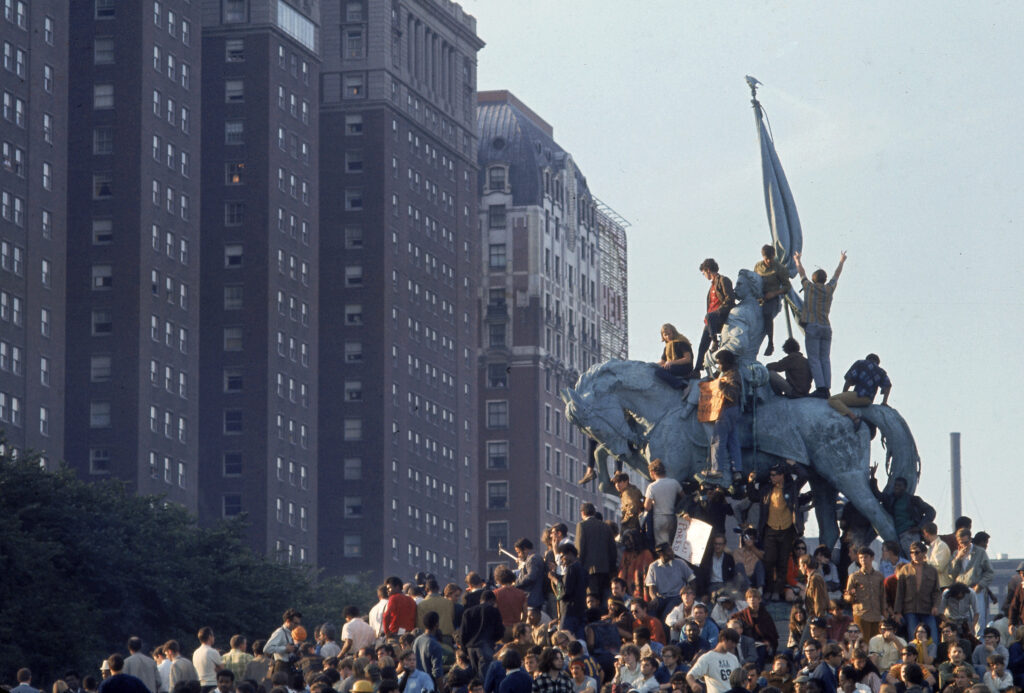
On the night of August 28, 1968, the city of Chicago was a war zone. Inside the International Amphitheatre, the Democratic National Convention was about to vote on the Vietnam War, while outside, thousands of antiwar protesters clashed with police in the streets. The television cameras captured it all, and the world watched as the Democratic Party tore itself apart. This article examines that pivotal week through the eyes of contemporary newspapers, journalists, protesters, and official reports, using the very sources that documented the chaos and shaped public perception.
What Happened?
On Wednesday, August 28, 1968, the convention delegates voted on a peace plank that called for an end to the bombing of North Vietnam and a negotiated withdrawal. The tally was 1,500 to 1,000 against the plank, according to the Associated Press. That vote, as the AP later wrote, “put the match to the Chicago powder keg.” Hours later, hundreds of demonstrators engaged in a pitched battle with police on the streets of Chicago.
- The peace plank was defeated by a vote of 1,500 to 1,000.
- Police and protesters clashed violently outside the Conrad Hilton Hotel.
- Vice President Hubert H. Humphrey was nominated for President on the first ballot, defeating Senators Eugene J. McCarthy and George S. McGovern.
- Mayor Richard J. Daley demanded television time to defend the police, claiming the networks had given a “one-sided portrayal.”
Humphrey’s victory was hollow; the polls showed Republican Richard Nixon with a significant lead.
How It Was Seen at the Time
Contemporary observers were shocked by the violence and the political collapse. Theodore H. White, a presidential campaign watcher, wrote simply: “The Democrats are finished.” The New York Times headline captured the dual drama: “Humphrey Nominated on the First Ballot After His Plank on Vietnam is Approved; Police Battle Demonstrators in Streets.” The convention was seen not as a triumph but as a debacle, with the party’s internal divisions over Vietnam playing out in real time on national television.
“The whole world is watching,” the protesters chanted.
“The Democrats are finished.” — Theodore H. White
Historical Snapshot
| Aspect | Detail |
|---|---|
| Date | August 28, 1968 (convention ran August 26–29) |
| Place | Chicago, Illinois; International Amphitheatre and Conrad Hilton Hotel |
| People | Hubert H. Humphrey, Eugene McCarthy, George McGovern, Richard J. Daley, police, antiwar protesters |
| What Happened | Peace plank defeated; police clashed with protesters; Humphrey nominated on first ballot |
| Why It Mattered | Exposed the deep split over the Vietnam War and led to a “police riot” that damaged the Democratic Party |
Contemporary Newspaper Coverage
The New York Times, on August 30, 1968, reported under the headline “Humphrey Nominated on the First Ballot After His Plank on Vietnam is Approved; Police Battle Demonstrators in Streets.” The article, by Tom Wicker, described the scene: “Inside a pitched battle between the police and thousands of young antiwar demonstrators raged in the streets of Chicago, the Democratic National Convention nominated Hubert H. Humphrey for President last night.” The Associated Press, in a retrospective account, highlighted the “police riot” and the protesters’ chant. On September 4, the Times reported that Mayor Daley demanded television networks to defend the police, saying they had given a “one-sided portrayal.”
“The whole world is watching.” — protesters, as quoted by the AP
“The Democrats are finished.” — Theodore H. White
Eyewitness Accounts
AP reporter James R. Peipert wrote: “The young demonstrators taunted the police, ‘Oink, oink,’ and the police responded with swinging nightsticks and flying wedges.” Theodore H. White, a chronicler of the campaign, surveyed the scene and concluded: “The Democrats are finished.” The New York Times’ Tom Wicker noted the “boos” for police tactics inside the convention hall. The protesters themselves, many of them antiwar activists, saw themselves as victims of police brutality, while the police and Mayor Daley saw themselves as maintaining order against a violent mob.
“The whole world is watching.” — protesters’ chant
“The police responded with swinging nightsticks and flying wedges.” — AP
Official Reports
An investigatory commission later described the events as a “police riot.” The report “The Strategy of Confrontation: Chicago and the Democratic National Convention—1968,” published September 6, 1968, and available through the National Criminal Justice Reference Service, examined the events in detail. It concluded that the police used excessive force and that the violence was not a one-sided attack by protesters. The report also highlighted the role of the media in exposing the brutality, which contradicted the initial police claims of self-defense.
What People Feared
At the time, many feared the Democratic Party would be irrevocably damaged. Theodore H. White’s prediction of “The Democrats are finished” reflected a widespread belief that the party’s internal divisions over Vietnam would hand the election to the Republicans. There were also fears of further street violence, and that the police’s heavy-handed tactics would provoke a wider uprising. The convention was seen as a turning point, with the nation watching a party in chaos and a city in flames.
How Historians See It Today
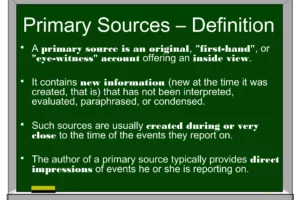
Modern historians largely agree with the contemporary characterization of the events as a “police riot.” The violence and the convention’s chaos are now considered a major factor in the election of Richard Nixon and a symbol of the deep social and political divisions of the 1960s. The primary sources—the newspaper accounts, the eyewitness testimony, and the official reports—form the basis of this understanding. The 1968 convention is often cited as a pivotal moment in the history of the American Democratic Party, marking a shift away from the Vietnam War and the rise of a more radical antiwar movement.
The events of August 1968—the nightly news footage, the eyewitness accounts, and the official reports—capture a moment of public conflict. They show how the Democratic Party’s struggle over the Vietnam War spilled into the streets of Chicago, and how the world watched as a nation wrestled with itself. The “police riot” and the nomination of Humphrey were not just events; they were a reflection of a country at war with itself. The primary sources remind us that the past is not a distant story, but a time of real danger and real choices, and that indeed, the whole world was watching.
FAQ
What was the 'police riot' at the 1968 Democratic National Convention?
An investigatory commission later described the police response to antiwar protesters as a 'police riot.' The police used nightsticks and flying wedges against the demonstrators, leading to widespread violence. The term became widely used to describe the police's excessive use of force.
How did the 1968 convention affect the presidential election?
The convention's chaos and the Democratic Party's internal divisions over the Vietnam War are widely seen as factors in the election of Republican Richard Nixon. The party was severely damaged, and Nixon won the general election in November 1968.




Leave a Reply