Skip to content
AsTheySawIt.com
  • Home
  • Decades
  • Events
  • People
  • Places
  • Sources
  • Themes
  • Years

Recent Posts

  • The Chinese Intervention in the Korean War: Western Press Coverage of the ‘Hordes’ and the Reality
  • The Pan-European Picnic of 1989: The Peaceful Protest That Opened the Iron Curtain
  • Panic on the Pages: How 1893’s Newspapers Chronicled Economic Ruin
  • Life in East Berlin Before the Wall Fell: Letters and Diaries from the 1980s
  • The Postal System in the 19th Century: How Letters Traveled Before Email

Recent Comments

No comments to show.

Archives

  • August 2026
  • July 2026

Categories

  • Decades
  • Events
  • People
  • Places
  • Sources
  • Themes
  • Years

Sources

Types of primary material used for historical reconstruction.

Voices from the Past: The Role of Oral Histories in Reconstructing the Past

August 12, 2026 | Sources | Jerry S. Green

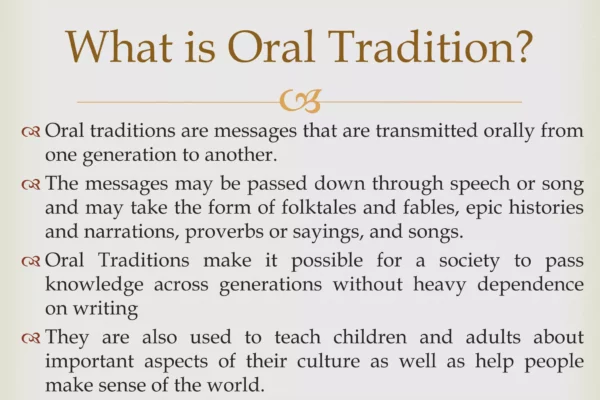
Oral histories emerged from folklore studies to become a key method in community and academic history. This article explores how eyewitness accounts, memories, and narrative subjectivity shape our reconstruction of the past, drawing on the evolution of oral history from the 1970s onward.
Read More →

Letters from the Trenches: How World War I Soldiers’ Correspondence Shaped Home Front Morale

August 12, 2026 | Sources | Jerry S. Green

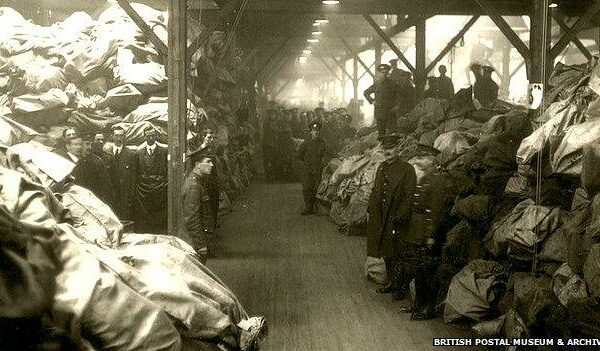
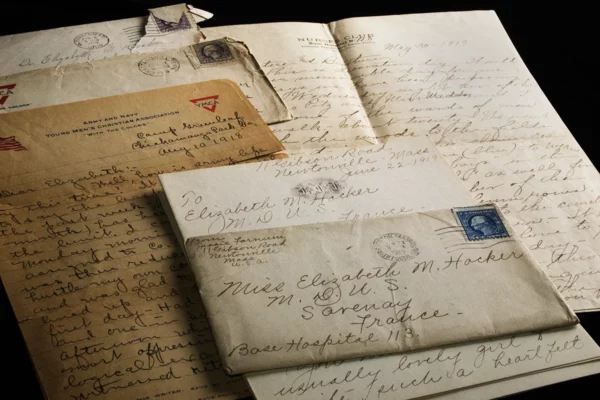
Drawing on primary sources, this article explores how millions of letters and parcels between soldiers and civilians sustained morale during World War I, revealing the emotional power of the written word and the limits of wartime censorship.

Read More →

How to Read Government Documents as Primary Sources: From Census to Court Records

August 12, 2026 | Sources | Jerry S. Green

A practical guide to analyzing government documents as primary sources, from census schedules to court records, exploring how historians read these challenging but essential records.

Read More →

World War II Through Eyewitness Accounts: The War as Seen by Those Who Lived It

August 11, 2026 | Sources | Jerry S. Green

An exploration of World War II through the letters, diaries, and oral histories of those who experienced it, drawing on collections like American Heritage’s anthology and the University of Nevada’s oral history program.

Read More →

Eyewitness Accounts of Partition: Letters, Diaries, and Oral Histories from 1947

August 10, 2026 | Sources | Jerry S. Green

Drawing on oral histories, personal letters, and diaries, this article reveals how ordinary people experienced the 1947 Partition of India, a cataclysm that displaced millions and left deep scars. It explores the human dimension behind the political headlines.

Read More →

How to Use Newspaper Archives for Historical Research: A Primary Source Guide

August 10, 2026 | Sources | Jerry S. Green

From the reading rooms of national libraries to the digital databases of today, newspaper archives have long served as windows into the past. This guide explores how historians have used newspapers as primary sources, what they reveal about their times, and the critical care required to read them accurately.

Read More →

The Vietnam War Through Letters Home: Soldiers’ Perspectives

August 7, 2026 | Sources | Jerry S. Green

A primary-source driven examination of how American soldiers experienced the Vietnam War through the letters they wrote home, drawing on collections like Dear America and Voices from Vietnam.

Read More →

How to Analyze a Political Cartoon as Historical Evidence

August 7, 2026 | Sources | Jerry S. Green

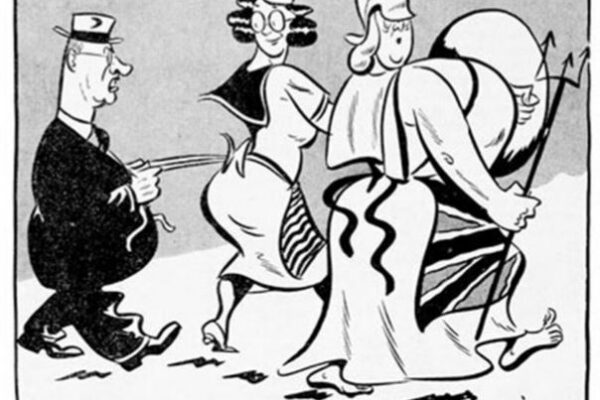
Drawing on the methods of the Library of Congress and the National Archives, this article explains how political cartoons can be read as primary sources, revealing the public mood, cultural assumptions, and political opinions of their time.

Read More →

How Newspapers Across America Reported the Attack on Pearl Harbor: Front Pages from December 8, 1941

August 6, 2026 | Sources | Jerry S. Green

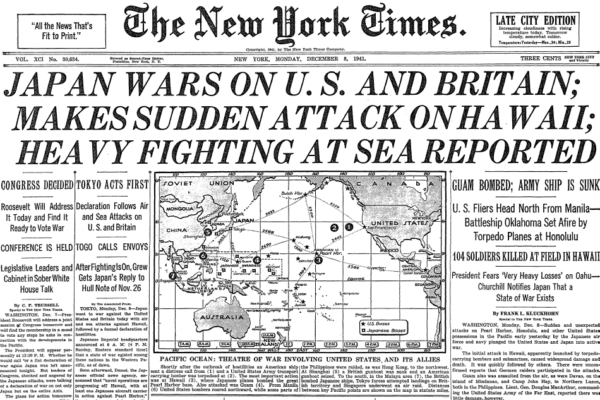
On December 8, 1941, American newspapers delivered the shocking news of the Pearl Harbor attack. This article explores the front pages, the language of the day, and how a stunned nation learned of its entry into World War II, based on contemporary reports and archival collections.

Read More →

How to Analyze Political Cartoons as Historical Sources: Satire, Stereotypes, and Social Commentary

August 5, 2026 | Sources | Jerry S. Green

Political cartoons have been vivid primary sources since the 18th century, offering a window into public moods, cultural assumptions, and attitudes toward events. This article explains how contemporaries read them and how historians decode their symbols, stereotypes, and satire today.

Read More →

Posts pagination

← Previous 1 2 3 4 5 … 8 Next →

About This Site

History Through the Eyes of Those Who Lived It

Recent Articles

  • How Historians Evaluate Conflicting Accounts
  • How Propaganda Should Be Read as a Historical Source
  • How Photographs Become Historical Evidence
  • How to Read Old Letters and Diaries
  • How to Use Historical Newspapers as Primary Sources
  • How Reliable Are Eyewitness Accounts of Historical Events?
  • How Eyewitness Accounts Help Us Understand History
  • Primary Sources vs Secondary Sources: What Is the Difference?
  • How to Read Primary Sources Like a Historian
  • What Is a Primary Source? A Guide to Historical Evidence
  • The Chinese Intervention in the Korean War: Western Press Coverage of the ‘Hordes’ and the Reality
  • The Pan-European Picnic of 1989: The Peaceful Protest That Opened the Iron Curtain
  • Panic on the Pages: How 1893’s Newspapers Chronicled Economic Ruin
  • Life in East Berlin Before the Wall Fell: Letters and Diaries from the 1980s
  • The Postal System in the 19th Century: How Letters Traveled Before Email
  • Home
  • Privacy Policy
  • About Us
  • Contact Us
  • Disclaimer
  • Terms of Service
© 2026 AsTheySawIt.com. All rights reserved. Powered by WordPress