
Short Answer
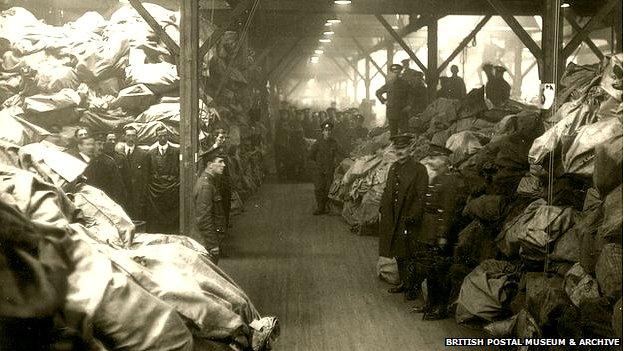
In the summer of 1914, as Europe plunged into war, a quiet revolution began in the mailrooms of every belligerent nation. The postman, once a familiar figure of daily routine, became a lifeline. On the Western Front, soldiers crouched in muddy trenches, scribbling on scraps of paper by candlelight; at home, families gathered at the gate, hearts leaping at the sight of the familiar postman. By 1917, the British Army Postal Service was delivering around two billion letters during the war, with over 19,000 mailbags crossing the English Channel each day to reach troops on the Western Front. These letters were not merely messages; they were emotional lifelines, linking the battlefields to the hearth, sustaining the morale of soldiers and civilians alike in a conflict that seemed to have no end.
What Happened?
The scale of correspondence during World War I was unprecedented. The British Army Postal Service alone delivered approximately two billion letters during the war, and in 1917 alone, more than 19,000 mailbags crossed the English Channel each day, transporting letters and parcels to British troops on the Western Front (Imperial War Museums). By 1917, the British Expeditionary Force was sending home eight million letters a week, and more than 12 million letters were dispatched weekly to the Western Front (History Today). This volume of mail was made possible by the rapid expansion of postal services and the near-universal literacy of the volunteer armies.
Soldiers wrote in spare moments, sometimes from the front line trenches or in the calmer surroundings behind the lines. They wrote on official letterheads, postcards, and scraps of paper. The British military introduced a standard field service postcard with pre-printed phrases, allowing soldiers to indicate their condition without writing anything that might be censored. Censorship was a constant presence: every letter was read by an officer or a censor, and soldiers were forbidden from revealing their exact location, troop movements, or any information that could be useful to the enemy. However, as historian Martha Hanna notes, men in uniform often circumvented the censors and sent home surprisingly frank descriptions of combat, finding subtle ways to share the truth of their experiences.
Parcels from home were equally important. They provided welcome supplements to soldiers’ rations, which were often monotonous and insufficient. When food shortages became chronic in Germany and Austria, the scarcity of parcels and the lamenting letters that made their way to the front made soldiers aware of the depth of civilian suffering. This awareness contributed to a deterioration of morale in the German and Austrian armies, as soldiers realized that their families at home were starving while they themselves received better food. The flow of letters and parcels thus became a two-way mirror of suffering and hope.
How It Was Seen at the Time
Contemporaries understood the mail as a sacred link. The sight of a postman brought hearts leaping, with hopes of words from loved ones in France or further away. In billets behind the lines, men’s hunger for letters was universal: pages were read, reread, and treasured (History Today). A letter was a tangible proof that the soldier was remembered and loved, and that their welfare mattered to those at home. The language of the time was deeply emotional. Soldiers spoke of letters as “the next best thing to being home” and the home front as “the other front” where the battle for morale was fought.
“The letters that made their way to the front made soldiers aware of the depth of civilian suffering and contributed to a deterioration of morale in the German and Austrian armies.” — Martha Hanna, War Letters: Communication between Front and Home Front
For the British, the correspondence was a cumulative act of love and care on a scale never before known in the nation’s history. The postman was a hero of the home front, and the mailbag a symbol of the unbroken bond between soldier and civilian. Yet there was also a sense of dread: letters could bring news of death, and the silence of a loved one was a source of profound anxiety. The prevailing mood was one of anxious hope, sustained by the regular arrival of letters and parcels.
Historical Snapshot
| Aspect | Detail |
|---|---|
| Date | 1914–1918 |
| Place | Western Front, Eastern Front, and the home fronts of Britain, France, Germany, Austria-Hungary |
| People | Soldiers, civilians, postal workers, censors |
| What Happened | Millions of letters and parcels were exchanged between soldiers and civilians, sustaining morale and providing emotional support. |
| Why It Mattered | Letters were the primary means of communication, and their volume and content shaped the psychological experience of the war for both the front and the home front. |
What People Knew at the Time
| What People Knew Then | What We Know Now |
|---|---|
| Letters were censored, but soldiers often found ways to hint at the truth. The public knew that censorship existed and that letters were read, but they rarely knew the extent of the horror. | Modern historians have analyzed thousands of letters and found that soldiers often used codes, euphemisms, and subtle language to convey their experiences, and that the censors were often lenient. |
| People knew that parcels were essential for supplementing rations and boosting morale. | We now know that the scarcity of parcels in Germany and Austria directly contributed to the breakdown of morale in the Central Powers, as soldiers realized the depth of civilian suffering. |
| Letters were seen as a private, personal medium, and the act of writing was considered a duty to the home front. | We understand that letters were also a form of propaganda, both official and self-censored, and that they played a key role in maintaining the public’s will to continue the war. |
Letters & Diaries
The letters themselves are the most direct primary sources. The Imperial War Museums hold around 7,500 collections of personal letters from WWI, which offer a powerful and highly personal insight into the experience of war. These letters often reveal the emotional strain of separation and the importance of receiving letters from home. A soldier’s letter might describe the comfort of a parcel from his mother, or the joy of a letter from his wife.
“The letters that made their way to the front made soldiers aware of the depth of civilian suffering and contributed to a deterioration of morale in the German and Austrian armies.” — Martha Hanna, War Letters
For example, a British soldier might write: “I was so happy to get your letter, it made me feel like I was home for a moment.” Such letters were read and reread, and they were often shared among comrades. The diaries of soldiers also show the importance of the mail: a diary entry might note the arrival of a letter as the highlight of the day. In the German and Austrian armies, the letters from home became increasingly desperate as the war progressed, and soldiers wrote back with worry and frustration. These letters are a record of the emotional toll of the war on both the front and the home front.
Different Perspectives
British Perspective
For the British, the letters were a source of pride and support. The home front saw the mail as a way to demonstrate love and care for the troops. The flow of letters was a “cumulative and untiring act of love and care on a scale never before known” (History Today). The British public was largely shielded from the worst horrors of the trenches by censorship, and the letters they sent were often cheerful and encouraging, even when the writer was suffering. The soldiers, in turn, wrote to reassure their families, often omitting the most gruesome details to protect them.
German and Austrian Perspective
In Germany and Austria, the situation was different. As the war progressed and food shortages became chronic, the letters from home became more lamenting. The scarcity of parcels and the desperate letters that made their way to the front made soldiers aware of the depth of civilian suffering. This knowledge undermined the morale of the German and Austrian armies, as soldiers began to question the purpose of their sacrifice. The letters from home were a constant reminder that the war was not only being fought on the front, but also in the kitchens and streets of the home front.
What People Feared
At the time, the central fear was the loss of a loved one. The arrival of a letter was a moment of relief; the absence of a letter was a source of dread. Families feared that the next letter would bring news of death or injury. Soldiers feared that their letters would be censored, or that their true experiences would be hidden from their families. There was also a fear of the unknown: the war was so vast and destructive that people feared for the very future of civilization. On the home front, there were fears of shortages, especially in Germany and Austria, where the blockade caused real suffering. These fears were rational, as the war did bring death and destruction on an unprecedented scale, but they were often exacerbated by rumors and the uncertainty of the news.
Aftermath
After the war, the letters became cherished mementos. Families kept them, and many were published in memoirs and collections. The letters of soldiers became a way for the nation to remember the war, and they were used in commemorative ceremonies and in the construction of war memorials. The postal system that had been so crucial during the war was dismantled, but the memory of the letters remained. The emotional impact of the letters was profound, and the experience of writing and receiving letters had changed the way people communicated. The war had also shown the power of the written word to sustain morale, and the lessons were not forgotten.
How Historians See It Today
Modern historians, such as Martha Hanna and Anthony Fletcher, have used these letters to reconstruct the emotional lives of soldiers and civilians. They argue that the letters were not just a simple communication, but a crucial psychological resource. The letters provided a way for soldiers to maintain their sense of identity and connection to home, and they allowed civilians to participate in the war effort. The letters also reveal the limits of censorship: despite the rules, soldiers often found ways to convey the truth. Historians today emphasize the role of letters in shaping the morale of the home front, and they have also used the letters to study the history of emotions. The study of these letters has also revealed the differences between the Allied and Central Powers, particularly in the impact of the food shortages and the morale of the German and Austrian armies.
Common Misconceptions
Related Primary Sources
- Imperial War Museums – holds around 7,500 collections of personal letters from WWI.
- Martha Hanna, “War Letters: Communication between Front and Home Front” (1914-1918-online encyclopedia).
- Anthony Fletcher, “Between the Lines: First World War Correspondence,” History Today, 2009.
FAQ
Were soldiers' letters censored during World War I?
Yes, censorship was a standard practice. Military officers read letters and were instructed to remove any information about the exact location, troop movements, or other details that could be useful to the enemy. However, as historian Martha Hanna notes, soldiers often circumvented the censors and sent home surprisingly frank descriptions of combat, using euphemisms or subtle language to convey the truth.
How did letters and parcels affect the morale of soldiers?
Letters and parcels were essential to the morale of soldiers. They provided reassurance that they were remembered and loved, and the parcels supplemented the often monotonous and insufficient rations. In Germany and Austria, when food shortages became chronic, the scarcity of parcels and the lamenting letters from home made soldiers aware of the depth of civilian suffering, which contributed to a deterioration of morale in the German and Austrian armies.










Leave a Reply