
Short Answer
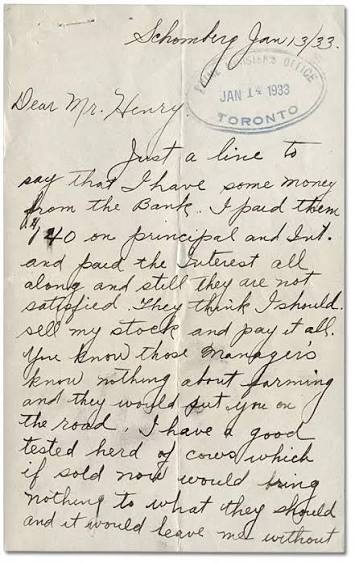
The Great Depression of the 1930s was a time when millions of Americans lost their jobs, homes, and savings. Yet amid the breadlines and shuttered factories, a remarkable archive of personal writing emerged. Men and women, children and grandparents, took up pens and typewriters to document their daily struggles, their fears, and their hopes. From the letters of a Minnesota family separated by unemployment to the desperate pleas sent to Eleanor Roosevelt, these personal records offer a raw, unfiltered window into a decade of hardship. They show us not statistics, but human beings—people who faced eviction, hunger, and despair, yet who still found words to tell their stories.
What Happened?
The economic collapse that began with the stock market crash of October 1929 spread quickly across the United States. By 1932, unemployment had reached over 20 percent, and breadlines stretched around city blocks. The sources in this article capture this period from multiple angles. The Linsley family, for example, wrote to each other almost daily between June 1932 and August 1934, documenting the struggle of a wife and two children living in a tiny, uninsulated cabin near Nevis, Minnesota, while the husband worked in Minneapolis. Their letters, transcribed by Martha Linsley in her eighties, form what one source calls “the most extensive written insight into the day-to-day lives of a family dealing with the challenges of the Great Depression.”
Meanwhile, thousands of other Americans wrote to government officials and private agencies. Editor Robert S. McElvaine sifted through some 15,000 such letters to produce Down and Out in the Great Depression, a collection that includes the voices of the “forgotten men, women, and children.” Similarly, Dear Mrs. Roosevelt collects letters from children who wrote to the First Lady seeking aid, while Looking for the New Deal gathers letters from Florida women. These collections, along with the Linsley family correspondence, provide a chronological record of the Depression as it was lived—from the early shock of joblessness to the hope and disappointment of New Deal programs.
How It Was Seen at the Time
Contemporaries understood the Depression as a personal failure as much as an economic catastrophe. Many felt ashamed of their poverty, while others blamed themselves for losing their jobs. The language of the letters is often desperate and humiliating. In the publisher’s description of Down and Out in the Great Depression, the editor describes the collection as “a moving, revealing collection of letters from the forgotten men, women, and children who suffered through one of the greatest periods of hardship in American history.” That phrase “forgotten men and women” captures the sense of abandonment felt by many. The Linsley family letters, meanwhile, show a family determined to maintain dignity and hope. According to the website that preserves them, their correspondence “may very well comprise the most extensive written insight into the day-to-day lives of a family dealing with the challenges of the Great Depression.” The prevailing mood was a mixture of fear, endurance, and a fragile hope that the government’s new programs might help.
Letters & Diaries
The primary source of this article is the letters themselves. The Linsley family letters, collected and transcribed by Martha Linsley, offer a unique window into the Depression’s daily grind. The family lived without running water or electricity, and the cabin remained uninsulated through two Minnesota winters. Their letters, written almost daily, describe the struggle to keep warm, to find enough food, and to stay connected across the miles. The editor of Down and Out in the Great Depression also gathered letters from across the country, many written to government agencies. These letters often ask for work, for food, or for a small loan. The letters to Eleanor Roosevelt are particularly poignant, as children wrote to the First Lady asking for winter coats or shoes. One collection, Looking for the New Deal, focuses on Florida women’s letters, showing how the Depression affected the South. These letters are more than just records of suffering; they show how ordinary people used writing to assert their dignity and to ask for help.
Eyewitness Accounts
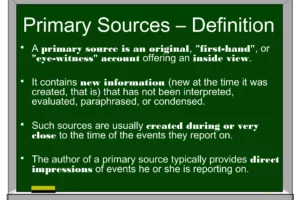
The letters serve as eyewitness accounts, but they are also direct testimony. The Linsley family letters, for example, are a first-person narrative of a family separated by work and geography. James Linsley worked in Minneapolis while his wife Martha and their children Ruth and John stayed on the farm. Their letters describe the harsh winters, the failed attempts at farming, and the small joys of receiving a letter. The children’s letters to Mrs. Roosevelt are also eyewitness accounts of poverty. The editor of Dear Mrs. Roosevelt notes that these letters reveal the impact of the Depression on the youngest victims. The Florida women’s letters in Looking for the New Deal provide a Southern perspective, often describing the struggles of rural families and the effects of the New Deal’s programs. These eyewitness accounts are invaluable because they show the Depression from the ground level, not just from the headlines.
Daily Life
The letters reveal the texture of daily life during the Depression. For the Linsley family, daily life was a constant struggle for survival. They had no running water or electricity, and the cabin was uninsulated. The letters mention the need to chop wood, to cook over a stove, and to care for animals. They often found comfort in the simplest of things, as the website notes: “They often found comfort and entertainment in the simplest of things.” For many families, the daily routine was dominated by the search for work and food. The letters to the government show people who were hungry, who had no money for bread, and who wore ragged clothes. The children’s letters to Mrs. Roosevelt often ask for a coat or a pair of shoes. Daily life was marked by a constant struggle to make ends meet, and the letters capture the small victories and the many defeats.
What People Feared
The letters reveal the fears of the time. Many people feared losing their homes or farms, and the letters to the government often include pleas to save a homestead. The Linsley family feared that their dream of farming would never be realized, and indeed it wasn’t. They also feared for the safety of their family, as the father was in the city while the rest were in the country. The children who wrote to Mrs. Roosevelt feared the stigma of poverty and the possibility of being separated from their families. There was also a fear of being forgotten, as the title Down and Out in the Great Depression suggests. The letters often express a fear of being judged as lazy or worthless, and they try to explain that they have worked hard but are still in need. These fears were rational, as the Depression caused real suffering, but they were also the result of a society that often blamed the poor.
What People Expected Would Happen Next
At the time, many people had expectations about the future. Some hoped that the New Deal would bring relief. The letters to Mrs. Roosevelt show that children believed the president and first lady could help them. The Linsley family letters show a hope that they could eventually succeed in farming, even though they never did. Others expected that the Depression would end soon, but as the 1930s wore on, that expectation faded. The letters often express a sense of uncertainty about the future. People did not know if things would get better or worse. The letters to the government often ask for work, not charity, indicating a belief that the government could provide jobs. The New Deal programs, such as the Works Progress Administration and the Civilian Conservation Corps, were seen as a hope for the future. The letters show that many people were willing to work and expected the government to give them that chance.
How Historians See It Today
Historians today use these letters and diaries to understand the human experience of the Great Depression. They have moved beyond the statistics and the policy debates to focus on the voices of ordinary people. The collections edited by Robert S. McElvaine and Robert Cohen are considered classic primary source collections. Modern historians also use the letters to study the impact of the Depression on different groups, such as women, children, and African Americans. The letters reveal that the Depression was not a single experience but varied by region, class, and gender. Historians also see these letters as evidence of the relationship between citizens and the state, showing how ordinary people reached out to the government for help. The letters have become a vital source for understanding the social and cultural history of the 1930s, and they continue to shape our interpretation of the era.
In the end, the letters and diaries of the Great Depression are more than just historical artifacts. They are a testament to the resilience of the human spirit. They show us that even in the darkest times, people wrote to each other, asked for help, and held on to hope. These personal accounts remind us that the Depression was not just a number of economic indicators, but a lived experience of millions. By reading these letters, we can begin to understand what it meant to be alive in that moment of history—and we can honor the memory of those who struggled and survived.
FAQ
What were the main sources for this article?
The article draws on primary source collections, including the letters edited by Robert S. McElvaine in 'Down and Out in the Great Depression', the Linsley family letters, 'Dear Mrs. Roosevelt', and 'Looking for the New Deal', which are all published collections of letters from the 1930s.
How do these letters help historians understand the Great Depression?
These letters provide first-person accounts of daily life, fears, and expectations, allowing historians to see the Depression from the perspective of ordinary people, beyond the statistics and political decisions.



Leave a Reply