
Short Answer
On New Year’s Eve 1940, as the city smouldered from one of the worst nights of the Blitz, London fireman George Britchford sat down to write to his wife Kathleen. He had just fought fires that had destroyed an area larger than the Great Fire of 1666, yet his letter begins with an ache of absence rather than terror: “Its not the same without you…” (London Museum). Across the city, in basements, shelters, and cramped kitchens, ordinary Londoners were doing the same—putting pencil to paper to describe the unthinkable. These letters and diaries, written in the heat of the moment, are the most intimate record we have of what it was like to be alive in London during the Blitz of 1940. They show not only the fear and destruction but also the stubborn routines, the cups of tea, the Anderson shelters, and the determination to carry on.
What Happened?
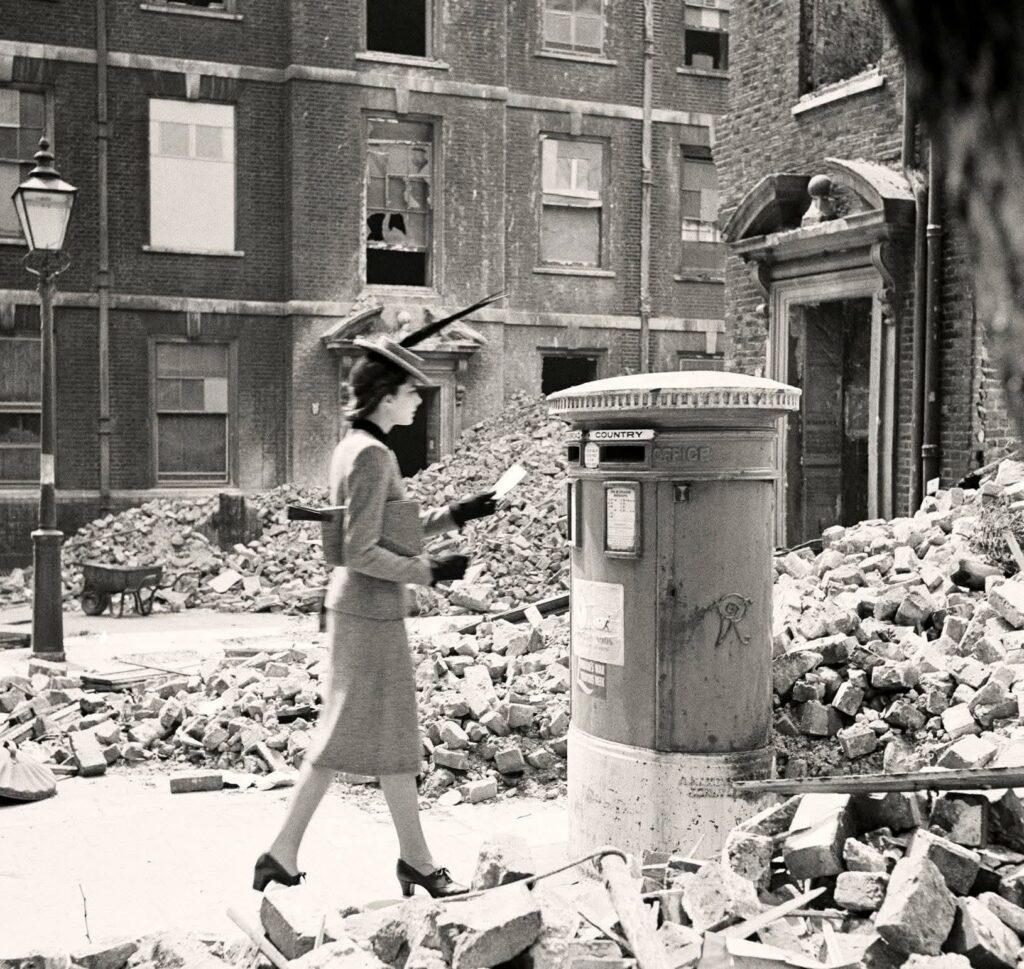
The Blitz—from the German Blitzkrieg (lightning war)—began on the night of 7 September 1940, when the Luftwaffe shifted its focus from RAF airfields to London itself. For over fifty consecutive nights, German bombers rained down high explosives and incendiary bombs on the capital, aiming to break civilian morale. The raids were not indiscriminate; they targeted docks, factories, and the City, but bombs inevitably fell on homes, schools, and hospitals.
- 7 September 1940: First major daylight raid on London, followed by a night attack. The Blitz begins.
- September–October 1940: Heavy raids continue; the city’s East End and docks are particularly devastated.
- 29 December 1940: The “Second Great Fire of London”—a massive incendiary raid that destroys an area larger than the Great Fire of 1666. Fireman George Britchford fights the fires that night.
- 23 December 1940 or 19 March 1941: The family of Emily and Alexander Ker, living in West Ham, is bombed out of their home, as recorded in a letter to their future daughter-in-law.
The Blitz continued into May 1941, but the autumn and winter of 1940 were the darkest months. The nightly routine of sirens, bombs, fires, and all-night vigils in shelters became a grim norm. As the artist’s statement in Blitz: Letters from London September and October 1940 notes, the bombing was “for over 50 consecutive nights” (Open Book, Utah).
How It Was Seen at the Time
Contemporary letters are marked by a paradoxical blend of horror and normalcy. People described the destruction in vivid terms but also recorded everyday details—queuing for food, going to work, writing letters. The prevailing mood was one of stoic endurance, often understated, and a fierce determination to carry on.
“I will not try to describe the horrid sight of houses spilled across the streets instead of standing upright, of gunfire and screaming and whistling bombs, while we sit in the basement feeling it must be us next.”
Fireman George Britchford, writing to his wife Kathleen, focused on the loss of the city’s landmarks and the personal pain of separation: “I expect you have received my P.C [postcard] by now and so looking for this letter. How long did it take you to write your jolly fine letter I was ever so pleased to get it…” His letter is a testament to the way love and duty intertwined with the catastrophe.
Historical Snapshot
| Aspect | Detail |
|---|---|
| Date | September 1940 – May 1941; focus on autumn/winter 1940 |
| Place | London, especially the East End, West Ham, Streatham, and the City |
| People | Fireman George Britchford, teacher Gray Harris, Emily Ker, and countless anonymous civilians |
| What Happened | German air raids bombed London for over 50 consecutive nights; fires and destruction on an unprecedented scale |
| Why It Mattered | It tested civilian morale and endurance; letters and diaries became a vital record of the home front |
Letters & Diaries
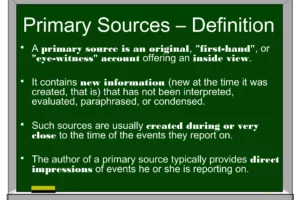
The most powerful primary sources of the Blitz are the letters and diaries written by ordinary people. They offer an unvarnished, day-by-day account of life under fire.
Fireman George Britchford’s Letter (New Year’s Eve 1940)
George Britchford, a London fireman, wrote to his wife Kathleen after the night of 29 December 1940—the night of the Great Fire. His letter, now in the London Museum collection, is a firsthand account of fighting fires across the city. He opens with a tender line: “My darling, I expect you have received my P.C by now and so you know…” The letter describes the destruction and the exhaustion, but also the comfort of the letter itself.
“Its not the same without you…”
Emily Ker’s Letter from West Ham
Emily Ker, a grandmother living in West Ham, wrote to her future daughter-in-law Sybil, probably in late 1940. The letter is a simple record of nightly life: “At last I have time to answer your most welcome letter. I am just having a few minutes sit down so I thought I would make good use of them. Well dear I am thankful to say we are still alive.” The family was later bombed out on 23 December 1940 or 19 March 1941, according to bombing records. The letter also mentions the “dug out”—an Anderson shelter—where they spent the nights.
The Letters of Evelyn and Billie
These letters, published in the book Blitz: Letters from London September and October 1940, were written between two women, Evelyn (‘Ana’) and Billie. They capture the raw terror of the raids: “I will not try to describe the horrid sight of houses spilled across the streets instead of standing upright…” The letters also show the constant fear of being next, but also a certain dark humour and resilience.
Daily Life
The daily routines of Londoners were profoundly disrupted but also adapted. The letters reveal a pattern: each day began with the all-clear, then people went to work, queued for food, and prepared for the next night’s raid. Anderson shelters—like the one Emily Ker called the “dug out”—became a second bedroom. In West Ham, the family would descend into the damp, cramped shelter every night, often with blankets, candles, and a thermos.
In her letter, Emily Ker writes about the nightly routine: “We go to the dug out as soon as the siren goes, and we stay there until the all-clear. We take our blankets and the baby’s things…” (from the BBC People’s War archive). The letter also mentions the difficulty of getting a hot meal, the blackout, and the constant noise. Fireman George Britchford’s letter, written after a night of fighting fires, shows the physical exhaustion and the grim pride of the emergency services.
Social life was curtailed but not extinguished. People visited friends in shelters, shared tea, and exchanged news. The letters show that the mundane details of life—writing letters, missing a spouse, worrying about the children—continued even as the bombs fell.
What People Feared
The most common fear expressed in the letters was of being “the next” to be hit. The letter from Evelyn and Billie says, “while we sit in the basement feeling it must be us next.” This fear of the random bomb was constant. There was also a fear of fire—especially after the great fire of 29 December, which threatened to engulf the entire city. Fireman George wrote about the fear of the flames spreading out of control.
There were also fears about the future: how long the war would last, whether the Germans would invade, and whether the city could survive the winter. Some feared the collapse of public order, though the letters suggest that morale remained largely intact. There was also the fear of losing one’s home, as the Ker family experienced—they were bombed out, losing everything but their lives.
What People Expected Would Happen Next
In 1940, no one knew how the war would end. Many letters express a hope that the United States would enter the war, but also a grim determination that Britain would hold on. The diaries and letters of the period show that people expected the bombing to continue for a long time—they did not expect a quick end. Some hoped for a negotiated peace, but most, after the fall of France, expected a long and bitter struggle.
Fireman George, writing on New Year’s Eve 1940, probably expected more nights of firefighting. He did not know that the Blitz would continue until May 1941. The letters show that people lived day by day, not knowing what the next night would bring. The resilience was not born of confidence but of necessity.
These letters and diaries from 1940 are not just historical documents; they are the voices of people who lived through the Blitz. They show us that even in the darkest days, life continued—love letters were written, tea was made, and people cared for each other. They remind us that history is not just a series of dates and events, but the daily experience of ordinary people. Their words, written in candlelight and in the dark, are a testament to human endurance.
FAQ
What was the most common fear expressed in Londoners' letters during the Blitz?
The most common fear was that the next bomb would have their name on it—that they would be the next to be killed or lose their home. The letter from Evelyn and Billie captures this: 'while we sit in the basement feeling it must be us next.'
How did ordinary Londoners spend their nights during the Blitz?
Many spent the nights in Anderson shelters (often called 'dug outs'), which were corrugated iron shelters in the garden or basement. They would take blankets, thermos, and pillows, and wait for the all-clear. Some, like fireman George Britchford, spent the night fighting fires and rescuing others.
What was the 'Great Fire' of 29 December 1940?
It was a massive German incendiary raid that caused a firestorm in London, destroying an area larger than the Great Fire of 1666. Fireman George Britchford's letter describes this night and the devastation it caused.



Leave a Reply