
Short Answer
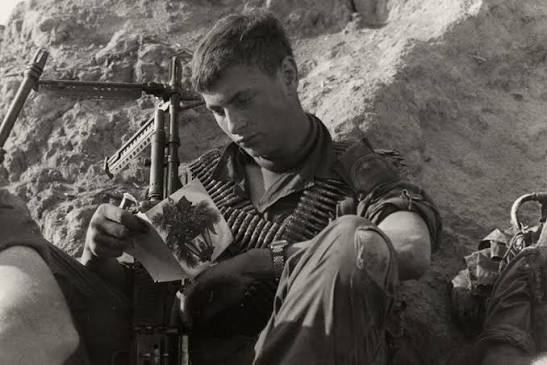
In the humid dusk of a forward command post in Vietnam’s Central Highlands, a young battalion surgeon’s assistant named John Curtis Rasmussen sat down with a pen and a sheet of V-mail. It was 1967, and he had just finished a long day of treating casualties. His letter to his family in Richmond, Virginia, would be one of dozens he would send over the next twelve months—each one a fragile thread connecting him to the world he had left behind. Across the Pacific, at Fort Ord, California, a newly arrived recruit named Arthur Terry Gallagher wrote his first letter home on April 24, 1969, the very day he arrived for basic training. These letters, and thousands like them, would become the most intimate record of the Vietnam War experience—a war that was already being called “the living-room war” because of television, but which was, for those who served, a war of ink and paper, of longing and fear.
What Happened?
The Vietnam War, as experienced by American soldiers, unfolded in a series of personal and collective events. The American presence escalated from a few hundred advisors in the early 1960s to over half a million troops by 1968. Soldiers were drafted or volunteered, underwent basic training at stateside installations like Fort Ord, California, and then deployed for a one-year tour in Vietnam. The letters they wrote home during this period form a rich historical archive. For example, Arthur Gallagher, honored on Panel 15W, Line 50 of the Vietnam Veterans Memorial, wrote a series of letters from Fort Ord starting April 24, 1969, describing his arrival for basic training, his duties at the post exchange (PX) and kitchen police (KP), and a Mother’s Day letter on May 3, 1969. These letters, preserved by the Vietnam Veterans Memorial Fund, offer a glimpse of the everyday routines that preceded combat.
John Curtis Rasmussen, a Richmond native and VMI graduate, was deployed to Vietnam in 1967 as a battalion surgeon’s assistant. He commanded a team of medics and managed medical operations at a succession of forward command posts in the central highlands and coastal region. His letters home documented a year-long journey, earning him the Combat Medical Badge for service under fire. Rasmussen survived the war, later earning a Ph.D. in history and working in government, but his letters remain a testament to the war’s impact.
The collections of letters from Vietnam are extensive. The 2002 book Dear America: Letters Home from Vietnam compiled many such letters, while the Wisconsin Historical Society’s Voices from Vietnam gathered 174 letters and diary entries from 92 Wisconsin men and women who served in Vietnam. These include pilots, infantrymen, medics, chaplains, nurses, and Red Cross workers. Together, these letters form a mosaic of the war as it was lived.
How It Was Seen at the Time
For the soldiers and their families, letters were a lifeline to the world they had left behind. They were a way to reassure, to express love, and to share the mundane details of a life that was often terrifying. The prevailing mood in these letters was a mixture of homesickness, duty, and a desire to appear strong. As one Wisconsin soldier wrote, “So God-damned far away”—a phrase that captures the physical and emotional distance. The letters often contained descriptions of daily routines, the heat, the boredom of waiting, and the sudden violence of combat. They also expressed a sense of isolation from a home front that seemed increasingly divided over the war.
“I miss you all so much. The war is something I never thought I’d be in, but I’m here and I’ll do my duty.” — Arthur Gallagher, letter home from Fort Ord, May 1969.
At the time, soldiers were not fully aware of the strategic debates or the growing anti-war movement at home. Their letters often focus on the immediate: the arrival of mail, the quality of food, the comradeship of their unit. The letters from Wisconsin in Voices from Vietnam show a candid picture of basic training and the alternating tedium and terror of daily life.
Historical Snapshot
| Aspect | Detail |
|---|---|
| Date | 1967–1969 (letters from Gallagher and Rasmussen) |
| Place | Fort Ord, California; Central Highlands and coastal regions of Vietnam |
| People | Arthur Terry Gallagher, John Curtis Rasmussen, and thousands of other American soldiers |
| What Happened | Soldiers wrote letters home documenting training and combat, which were later collected and published. |
| Why It Mattered | These letters provide a personal, unfiltered record of the Vietnam War experience, countering official reports and media portrayals. |
Letters & Diaries
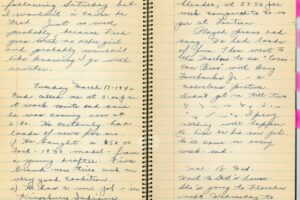
The most direct primary sources are the letters themselves. The Vietnam Veterans Memorial Fund has digitized letters from soldiers like Gallagher, who wrote home from Fort Ord on April 24, 1969, the day he arrived for basic training. His subsequent letters on April 29 (about the PX and KP duty) and May 3 (a Mother’s Day letter) reveal the mundane concerns of a new recruit. In contrast, Rasmussen’s letters from Vietnam, held by the Virginia Museum of History & Culture, describe a year of medical service under fire. These letters are not just personal records; they are historical documents that show the evolution of a soldier’s experience from training to combat.
The 174 letters in Voices from Vietnam are a particularly rich source, as they cover a wide range of roles—from infantrymen to nurses. The editor, Michael E. Stevens, noted that the letters show “the chaos of life as an American in Vietnam.” The letters reveal the soldiers’ raw emotions and the way they made sense of a war that was increasingly controversial.
Eyewitness Accounts
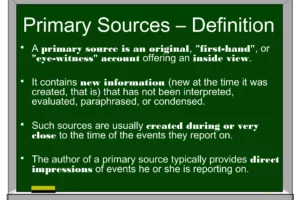
Letters are eyewitness accounts in the first person. They are the most direct evidence we have of how soldiers perceived the war. For example, Rasmussen’s letters document the day-to-day of a medic: the wounds, the deaths, the constant movement. He earned the Combat Medical Badge for service under fire, and his letters describe the loss of one of his medics. In the collection Dear America, letters from soldiers describe the heat, the rain, the fear of ambushes, and the longing for home. These accounts are not filtered through a reporter or a government official; they are the unmediated words of the participants.
Daily Life
Letters home reveal the routines of a soldier’s daily life. From Gallagher’s letters, we learn about basic training: the physical training, the KP duty, the PX where soldiers bought personal items. From Rasmussen’s letters, we see the daily operations of a forward medical post: setting up, treating casualties, and moving on. The Voices from Vietnam collection describes the tedium of waiting for patrols, the terror of sudden firefights, and the small comforts—a hot meal, a shower, a letter from home. The soldiers also wrote about the weather, the insects, and the local population. These details bring the war to life in a way that statistics cannot.
What People Knew at the Time
| What People Knew Then | What We Know Now |
|---|---|
| Soldiers and families had limited knowledge of the overall strategy and the growing anti-war movement; letters often focused on immediate experiences. | Historians now understand the full scope of the war, including the Tet Offensive, the My Lai massacre, and the eventual withdrawal of U.S. forces. |
| The public saw a heavily edited version of the war through television and newspapers. | Letters provide unfiltered, personal perspectives that often contradict the official reports. |
| Soldiers believed they were fighting to stop the spread of communism. | Modern historians debate the strategic necessity and the legitimacy of the war. |
How Historians See It Today
Modern historians view these letters as essential primary sources for understanding the Vietnam War from the ground level. They are used in academic studies to examine soldiers’ morale, the relationship between the military and the home front, and the psychological impact of the war. Collections like Dear America and Voices from Vietnam have been instrumental in shifting the historical narrative from a focus on generals and politicians to the experiences of ordinary soldiers. Historians also use letters to challenge the notion that all soldiers were anti-war or all were pro-war; the letters reveal a spectrum of attitudes. The thesis “So God-damned Far Away” by Tara M. Bell (2012) is one such study that analyzes soldiers’ letters to understand their emotional experiences.
The enduring significance of these letters is that they preserve the voices of the men and women who served, allowing future generations to understand the war not just as a political event, but as a human one. They remind us that the past is made up of individuals, each with their own fears, hopes, and stories.
FAQ
Why are letters from Vietnam important as historical sources?
Letters are primary sources that provide first-hand accounts of soldiers' experiences, emotions, and daily life. They are unfiltered by official reports or media, offering a personal perspective on the war. Collections like 'Voices from Vietnam' and 'Dear America' preserve these letters for historians and the public.
How did soldiers write letters in Vietnam?
Soldiers typically used V-mail or standard paper, writing by candlelight or in the field. They often wrote during quiet moments, sometimes on a knee or a log. The letters were sent through the military postal system and could take days or weeks to arrive. Many soldiers wrote to family, friends, and girlfriends, sharing both the mundane and the traumatic.



Leave a Reply