
Short Answer
In the late summer of 1956, Londoners reading their morning newspapers encountered a world suddenly at odds. The Suez Canal, Britain’s vital artery to the East, had been nationalized by Egypt’s President Gamal Abdel Nasser on July 26. Headlines screamed of betrayal and imperial decline. Fleet Street, the heart of the British press, was not merely reporting events but actively shaping them, as the government of Prime Minister Anthony Eden sought to steer public opinion toward war. Across the Atlantic, the New York Times presented a more measured, yet equally dramatic, narrative of a “Suez drama.” This article reconstructs how the world saw the crisis through the newspapers of the day—what was printed, what was hidden, and what ordinary people believed was at stake.
What Happened?
The Suez Crisis unfolded rapidly after the Egyptian nationalization of the Suez Canal Company on July 26, 1956. Nasser’s action was a direct challenge to British and French imperial interests. The following chronology highlights the key events as reported in contemporary newspapers:
- July 26, 1956: Nasser nationalizes the Suez Canal, promising to use revenues to build the Aswan Dam.
- August–September: International conferences and negotiations fail; Britain and France secretly plan military action with Israel.
- October 29: Israel invades Egypt’s Sinai Peninsula.
- October 30–31: Britain and France issue ultimatums and begin bombing Egyptian airfields.
- November 5: British and French paratroopers land in Port Said.
- November 6: Ceasefire under international pressure, including from the United States.
The British press, as documented by historians, was consistently more aggressive than public opinion. The Historical Journal notes that “Fleet Street was on the whole consistently more aggressive than was public opinion,” reflecting a deliberate government effort to stir war sentiment.
How It Was Seen at the Time
At the time, many Britons believed they were defending an imperial lifeline. The press framed Nasser as a dictator who threatened the free world. The Times and other papers used language of “appeasement” and “Munich” to evoke the threat of Nazi Germany. One contemporary observer, writing in the New York Times on September 19, 1956, described the scene: “The curtain rises on another act of the Suez Canal drama today when representatives of the eight maritime powers meet in London to discuss the future of the waterway.” The mood was tense, yet many believed a negotiated settlement was still possible. However, the British government’s propaganda strategy, as analyzed by the Contemporary Record, aimed to make the press “active supporters in a policy which ultimately meant war.”
Historical Snapshot
| Aspect | Detail |
|---|---|
| Date | July–November 1956 |
| Place | Egypt, Britain, France, Israel, United States |
| People | Anthony Eden, Gamal Abdel Nasser, Dwight Eisenhower, Christian Pineau |
| What Happened | Nationalization of Suez Canal; military intervention by Britain, France, and Israel |
| Why It Mattered | Exposed the decline of British imperial power and strained Cold War alliances |
Contemporary Newspaper Coverage
The British press in 1956 was not a neutral observer. According to the Historical Journal, the government under Eden actively manipulated the press, and the newspapers themselves were often more belligerent than the public. The Daily Telegraph and Daily Express were particularly vocal in supporting military action, while the left-leaning Daily Mirror and Guardian opposed it. In the United States, the New York Times provided detailed coverage of the diplomatic maneuvering. On September 19, 1956, it reported:
“The curtain rises on another act of the Suez Canal drama today when representatives of the eight maritime powers meet in London to discuss the future of the waterway.”
The tone was cautious, emphasizing the diplomatic stakes. British newspapers, by contrast, often used sensational headlines. The Daily Express famously declared “We Must Not Be Weak” and called for a strong response. The government’s success in rallying the press is documented in the Contemporary Record, which argues that Eden was “remarkably successful given his reputation as one of Fleet Street’s most celebrated victims.”
What People Knew at the Time
| What People Knew Then | What We Know Now |
|---|---|
| That Britain and France were acting to protect the canal and their economic interests. | That the military intervention was a covert, collusion with Israel, and that the US forced a withdrawal. |
| That Nasser was a nationalist threat to the West. | That Nasser was a nationalist hero in the Arab world, and the crisis marked the end of British imperial dominance. |
| That the press was divided between hawks and doves. | That the British government systematically manipulated press coverage to build public support for war. |
Different Perspectives
British Government and Press
The British government, led by Anthony Eden, viewed Nasser as a new Hitler and believed that only military force would restore British prestige. The press largely echoed this line, with many papers calling for decisive action. The Contemporary Record article notes that the government’s propaganda strategy was to “increase the hostility of the British press towards Nasserism and enlist the newspapers as active supporters in a policy which ultimately meant war.”
American Perspective
The United States, under President Eisenhower, was firmly opposed to military intervention, preferring a diplomatic solution. The New York Times coverage reflected this caution, emphasizing the international negotiations and the risks of conflict. The American public was not as agitated as the British, and the press was more critical of the Anglo-French action. The New York Times headline on September 19, 1956, “THE SUEZ DRAMA,” suggests a sense of theater rather than imminent war.
How Historians See It Today
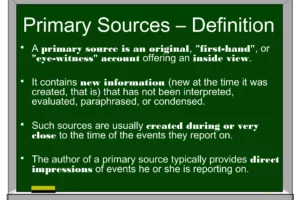
Modern historians have largely rejected the contemporary British narrative of imperial necessity. The Sydney thesis, “Suez: A Crisis of British Identity,” argues that the British press coverage “shows that the British were clinging on to a lingering sense of power that was rooted in their declining empire.” This collective identity obscured the serious implications of Britain’s military failure. Historians now view Suez as a turning point, marking the end of Britain’s status as a global power and the rise of the United States as the dominant Western force. The role of the press is also re-evaluated: rather than a free and independent voice, the British press was often a tool of the government, as documented in the Contemporary Record article. This shift in historiography emphasizes the importance of primary sources, such as newspapers and government records, to understand the full picture.
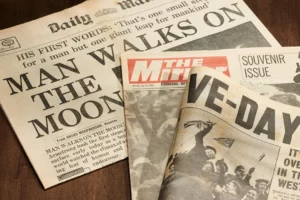
The Suez Crisis remains a powerful lesson in how public opinion can be shaped and how the press can be used to justify war. The contemporary newspapers of 1956, whether British or American, not only reported the events but also shaped the world’s understanding of them. Their pages reveal a world divided—between imperial nostalgia and Cold War realities, between public sentiment and government manipulation. The primary sources from that autumn remain a testament to the power of the press in a time of crisis.
FAQ
What was the role of the British press during the Suez Crisis?
The British press was largely supportive of the government's military stance, but it was also manipulated by the Eden government through a propaganda strategy. The press was often more aggressive than the public opinion, and many papers rallied for a strong response against Nasser.
How did American newspapers cover the Suez Crisis?
American newspapers, such as the New York Times, adopted a more cautious and diplomatic tone. They emphasized negotiations and the risks of military action, reflecting the US government's opposition to the Anglo-French intervention.
What did the public know about the secret collusion between Britain, France, and Israel?
At the time, the public did not know about the secret collusion. The British government presented the intervention as a response to the Egyptian aggression, but later historians revealed that the invasion was planned with Israel. The press largely accepted the official narrative.







Leave a Reply