Short Answer
Quick Snapshot
In 1944 Paris was the capital of an occupied and humiliated France, yet also the nerve centre of resistance and the stage for one of the war’s most symbolic liberations. The city had lived under German military control since June 1940; by the summer of 1944, food shortages, curfews, roundups, censorship and the fear of deportation had become part of daily life. Then, between 19 and 25 August, barricades, strikes, street fighting and the arrival of Allied and Free French forces transformed the city’s mood from dread to euphoria. General Charles de Gaulle’s procession down the Champs-Élysées on 26 August became the defining image of restored French sovereignty.
This article treats “Paris in 1944” as the history of the city under occupation from January to August 1944 and the Liberation of Paris that August, with particular attention to newspapers and eyewitness accounts. The emphasis is on how Parisians experienced, recorded and remembered the year: what they read in clandestine and liberated papers, what they said in diaries and later testimony, and what photographers captured in the streets.
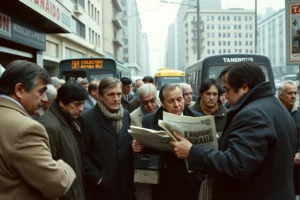
Newspapers are especially important because they reveal the abrupt shift from Nazi censorship to a free, if chaotic, press. A rare collection of eleven August 1944 newspapers donated to the Musée de l’Ordre de la Libération includes titles such as Libération, La Dépêche and Le Parisien, and shows how the liberation was reported while it was still unfolding. Eyewitnesses, meanwhile, supply the sensory detail that official communiqués omit: hunger, the smell of smoke, the sound of bells, the taste of American chewing gum, and the strange mixture of joy and fear.
Paris in 1944
Paris lies on the Seine, its twenty arrondissements arranged around the river and linked by bridges that in 1944 were both lifelines and military objectives. The city’s geography mattered: the Préfecture de Police on the Île de la Cité, the Hôtel de Ville, the Champs-Élysées, the working-class districts of eastern and northern Paris, and the railway stations and boulevards all became sites of insurrection. August 1944 was warm and dusty; fighters remembered heat, crowded streets, sniper fire and sudden silence. The atmosphere was one of exhaustion and expectancy. Swastikas still hung from public buildings and German vehicles still patrolled, but the Allied breakout after D-Day had made the occupier’s position precarious.
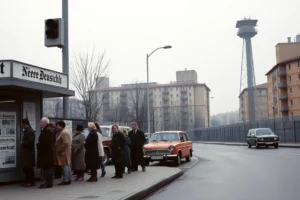
Daily life was governed by scarcity and surveillance. Curfews restricted movement, blackout rules darkened windows, and German notices and Vichy propaganda competed with clandestine leaflets. Yet Paris remained a city of cafés, workshops, offices, schools and families. The liberation did not begin in a vacuum: it grew out of years of rationing, arrests, deportations and quiet or open resistance, and it unfolded in a city where everyone had learned to read public signs for danger as well as information.
Population & Economy
The city proper contained roughly 2.7 to 2.8 million people in the mid-1940s, though wartime displacement, deportation, forced labour and flight make exact figures uncertain. Paris was still France’s administrative, cultural and commercial capital, but its economy was distorted by occupation. German authorities requisitioned goods, vehicles and buildings; coal and fuel were scarce; factories suffered from labour shortages, raw-material shortages and Allied bombing of rail and industrial targets. Food processing, printing and publishing, clothing, luxury trades, metalworking, chemicals, utilities and transport all continued in reduced or altered forms.
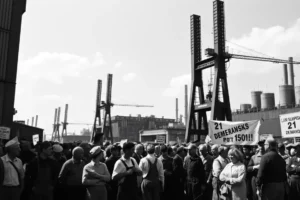
Rationing shaped household budgets. Official prices meant little when goods were absent, and the black market became a parallel economy. Workers in municipal services, transport, post offices, hospitals, shops and factories often became nodes of resistance, while police and postal workers played conspicuous roles in the August insurrection. The press was both an industry and a weapon: clandestine papers were printed on hidden presses, and after the liberation newspaper offices became symbols of recovered freedom.
Government & Politics
During the occupation, Paris was administered under German military authority, with Vichy prefects and police caught between collaboration, bureaucratic routine and increasing resistance. The city had no elected mayor under the occupation; real power lay with the German commander, and after August with the Gaullist provisional authorities and the FFI. Key figures in the liberation include General Dietrich von Choltitz, the German commander of Greater Paris; Colonel Henri Rol-Tanguy, the Communist resistance leader and FFI commander in the Paris region; General Philippe Leclerc, whose 2nd French Armoured Division entered the capital; and General Charles de Gaulle, who asserted the authority of the Provisional Government of the French Republic.
The political climate was tense. Resistance groups ranged from Communists and trade unionists to Gaullists, Christians and socialists, and they did not always agree on tactics or postwar aims. The Conseil National de la Résistance sought national unity, while the Comité Parisien de la Libération prepared to take over the city. On 19 August the police seized the Préfecture de Police; on 25 August von Choltitz surrendered. The rapid reassertion of Gaullist authority was intended to prevent both German destruction and revolutionary disorder, and it shaped how the liberation was remembered.
Industry
Parisian industry in 1944 was a patchwork of workshops, factories and service trades rather than a single dominant sector. Printing and publishing were central to political life: clandestine newspapers such as Libération, Combat, Défense de la France, L’Humanité and Le Franc-Tireur were produced under dangerous conditions, while legal newspapers after the liberation rushed to re-establish editorial freedom. Clothing, luxury goods, furniture, metalwork, chemicals, food processing and transport workshops employed many Parisians, though production was limited by fuel, electricity and raw materials. The Renault works at Boulogne-Billancourt, just outside the city, was a major industrial and symbolic site, associated with requisitioned production and Allied bombing.
Municipal utilities, hospitals, markets and the metro kept the city functioning under extreme strain. Women increasingly worked in shops, offices, hospitals and administration as men were conscripted, deported or imprisoned. The liberation brought immediate problems of supply and reconstruction: food had to be brought in, transport restored, and factories and newspaper offices reorganized under provisional authorities.
Education
Paris remained a major educational centre in 1944, with the University of Paris, the Sorbonne, the grandes écoles, lycées and primary schools. Literacy was high by the standards of the period, and printed culture was central to public debate. Yet occupation disrupted education: anti-Jewish laws excluded Jewish pupils and teachers, shortages of paper, heating and staff closed or interrupted classes, and older students faced forced labour or resistance. Teachers and students took part in clandestine networks, and the university became a site of both repression and patriotic activity.
After the liberation, provisional authorities began to purge collaborators from schools and universities while reopening institutions and planning reconstruction. Education was seen as essential to national recovery, but the continuing war, shortages and political divisions meant that the return to normal schooling was gradual.
Transportation
Parisians moved by métro, bus, tram, bicycle and on foot. Fuel and tyres were scarce, so bicycles and walking became central to daily life, while the métro and buses operated irregularly under occupation. The Seine bridges, railway stations and roads were strategic targets, and the August fighting made movement dangerous: barricades blocked streets, sniper fire closed intersections, and FFI groups seized vehicles and buildings. General Leclerc’s 2nd Armoured Division entered Paris through the Porte d’Orléans, while Allied forces and resistance fighters converged on the centre.
Newspapers also depended on transport. Clandestine papers were distributed by hand, bicycle and trusted networks; after the liberation, newly legal papers were rushed to kiosks and readers hungry for news. The restoration of transport and communications was one of the first tests of the provisional authorities.
Everyday Life
Everyday life in 1944 was dominated by queues, ration tickets and improvisation. Parisians lined up for bread, vegetables and milk, used ersatz coffee and stretched clothing and shoes as long as possible. Housing was cold in winter and crowded when rooms were requisitioned or families doubled up. The blackout, curfew and fear of arrest shaped evenings. Radio was a battleground: German-controlled Radio Paris competed with BBC broadcasts and clandestine information. Cinemas, theatres and cafés still operated, but under restrictions and with an atmosphere of anxiety.
The liberation produced an explosion of feeling. Crowds hung out tricolours, church bells rang, and Allied soldiers handed out cigarettes, chocolate and chewing gum. Thérèse Huet, a teenager in 1944, remembered the hunger of the occupation and the joy of the liberation, including American chewing gum distributed to Parisians. Robert Birenbaum, a young resistance fighter, recalled the sudden transformation of ordinary people into combatants.
“All of a sudden, people who had never done anything took up a weapon and put on armbands.” — Robert Birenbaum, recalling the August insurrection.
Such memories reveal how liberation mixed relief with revenge, grief and uncertainty. The city was free, but it was still hungry, armed and divided.
Major Events
The decisive sequence came after the Allied landings in Normandy on 6 June 1944. As Allied armies advanced, the Parisian resistance prepared for insurrection. On 18 August a general strike and mobilization order were issued; on 19 August police and resistance fighters seized the Préfecture de Police and fighting spread. Barricades went up in many neighbourhoods, and FFI groups contested streets, bridges and public buildings. On 24 August advance units of Leclerc’s 2nd Armoured Division reached the Hôtel de Ville; on 25 August von Choltitz surrendered in the presence of Leclerc and Rol-Tanguy. The fighting was costly: according to figures cited by the Musée de l’Ordre de la Libération, 582 civilians were killed and 2,000 wounded, while the 2nd French Armoured Division lost 156 soldiers killed and 225 wounded; about 3,200 Axis troops were killed and 12,800 taken prisoner.
On 26 August de Gaulle led a victory procession from the Arc de Triomphe to Notre-Dame, a carefully staged assertion of national legitimacy. The liberation of Paris was not the end of the war—fighting continued in France and Europe until May 1945—but it was a turning point in French morale and in the political history of the occupation.
What Newspapers Were Reporting
Under occupation, newspapers had been tightly censored by German and Vichy authorities. Clandestine papers circulated illegally, carrying resistance communiqués, Allied news and calls to action. The liberation brought a sudden, noisy return of editorial freedom. A rare collection of eleven August 1944 newspapers donated to the Musée de l’Ordre de la Libération includes titles such as Libération, La Dépêche and Le Parisien. One article described food from Yorkshire arriving in the starving city, with a truck marked “Churchill’s grub.” Such details show how newspapers reported not only battles and speeches but also relief, supply and everyday survival.
The survival of these papers is itself remarkable. Wartime paper was poor, and relatively few copies remain. They report the insurrection, the surrender, de Gaulle’s parade and the first measures of the provisional authorities. They also show the rapid rediscovery of editorial freedom after years of censorship, even as shortages and political pressure continued.
What People Were Talking About
Parisians in 1944 talked about food, safety, prisoners, deportees and the likely course of the war. Rumours circulated: Would the Germans destroy Paris? Would von Choltitz obey Hitler’s order to burn it? Where was Leclerc? Who had collaborated and who had resisted? The liberation unleashed debates about punishment and purge, as well as joy and relief. Women accused of “horizontal collaboration” were publicly shamed in some places, while resistance credentials became a form of social currency. Eyewitness accounts reveal a mixture of heroism and moral ambiguity: people who had denounced Jews or worked with Germans sometimes reinvented themselves as resistants, while others risked everything.
Robert Birenbaum remembered the strangeness of returning in uniform to the street where he had been insulted as a “dirty Jew” and being treated as a hero. Thérèse Huet remembered the excitement of the crowds and the taste of American chewing gum after years of hunger. These recollections show that the liberation was experienced as a collective festival and as a deeply personal reckoning.
Historical Photographs
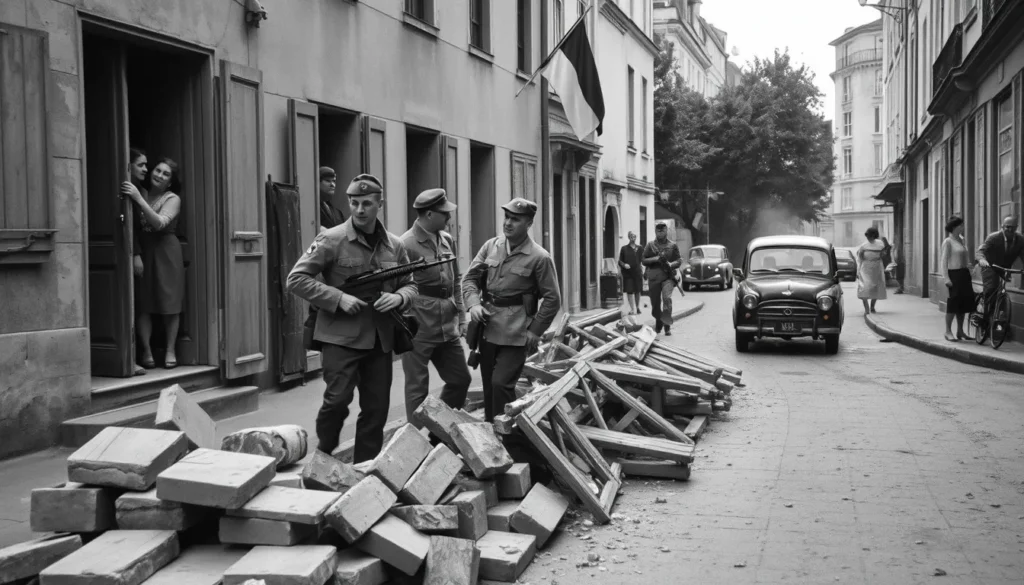
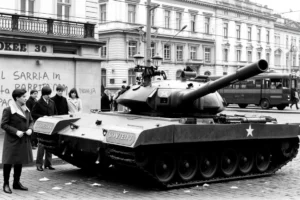
Paris in 1944 has a rich photographic record. Photographers such as Henri Cartier-Bresson, Robert Doisneau and Lee Miller are among those associated with the liberation, and press agencies, soldiers and amateur photographers also captured the city. Images show barricades made of paving stones and furniture, FFI fighters wearing armbands, German prisoners, crowds on the Champs-Élysées, de Gaulle’s parade, children on tanks and Parisians receiving food and cigarettes. These photographs are not neutral: some were taken for propaganda, some for news, and some as personal testimony.
The visual record helps historians read the liberation as both a military event and a popular festival. It also reveals what newspapers could not always show: the exhaustion on faces, the damage to streets, the improvised uniforms and the presence of women and children in the crowds. Archives at the Musée de l’Ordre de la Libération, the Bibliothèque nationale de France, the Archives de Paris and press agencies preserve these images.
Documents & Primary Sources
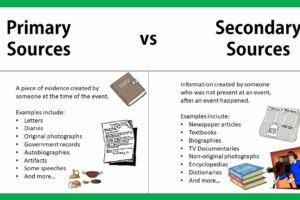
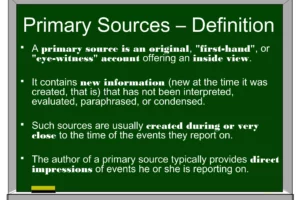
Historians studying Paris in 1944 rely on a wide range of primary sources. Newspapers and clandestine periodicals show propaganda, censorship and the first free reporting. Diaries, memoirs and oral histories provide eyewitness detail and emotion. Police records, FFI orders, German surrender documents, ration cards, posters, maps, photographs and newsreels document the mechanics of occupation and liberation. The Musée de l’Ordre de la Libération holds newspapers and objects from the liberation; the Bibliothèque nationale de France preserves periodicals; the Archives nationales and Archives de Paris hold administrative and police records; and the Institut national de l’audiovisuel preserves radio and film.
These sources must be read critically. Wartime newspapers were censored; memoirs written decades later reshape memory; photographs can be staged or selective. Yet together they allow a reconstruction of Paris in 1944 that is both vivid and responsibly grounded.
1944 Timeline
| Date | Event |
|---|---|
| 6 June | D-Day landings in Normandy raise hopes of liberation. |
| 18 August | General strike and mobilization order in Paris. |
| 19 August | Police and resistance seize the Préfecture de Police; street fighting spreads. |
| 20–21 August | Barricades multiply; FFI controls many neighbourhoods. |
| 24 August | Advance units of Leclerc’s 2nd Armoured Division reach the Hôtel de Ville. |
| 25 August | Von Choltitz surrenders; organized fighting ends. |
| 26 August | De Gaulle leads victory parade on the Champs-Élysées. |
| Late August | Newspapers reappear; food and relief supplies arrive; provisional authorities take control. |
What Changed Next
The liberation of Paris in August 1944 installed the Provisional Government of the French Republic under de Gaulle and ended German military control of the capital. It also opened a period of purge, reconstruction and continuing war. Shortages persisted, the winter of 1944–45 was hard, and prisoners and deportees returned slowly. Newspapers and photographs helped shape a heroic narrative of national resistance, even as historians later examined the divisions, compromises and violence of the period. Paris became a symbol of liberation, but the city’s recovery was slow and contested.
Sources
- franceinfo, “Témoignages: ‘Tout d’un coup, les gens ont pris une arme et mis les brassards’: la libération de Paris racontée par ceux qui l’ont vécue en août 1944,” 25 August 2024, https://www.franceinfo.fr/france/ile-de-france/paris/70e-anniversaire-de-la-liberation-de-paris/temoignages-tout-d-un-coup-les-gens-ont-pris-une-arme-et-mis-les-brassards-la-liberation-de-paris-racontee-par-ceux-qui-l-ont-vecue-en-aout-1944_6733086.html
- The Connexion, “Rare images show how newspapers reported Liberation of Paris in August 1944,” 26 August 2024, https://www.connexionfrance.com/magazine/rare-images-show-how-newspapers-reported-liberation-of-paris-in-august-1944/675004
- Robert Birenbaum, 16 ans, résistant, Paris: Stock, 2024.
- Musée de l’Ordre de la Libération, collections and documentation on the Liberation of Paris.
- Bibliothèque nationale de France, Département des périodiques, journaux de la Libération and occupation-era press collections.
FAQ
What was the population of Paris in 1944?
The city proper had roughly 2.7–2.8 million inhabitants in the mid-1940s, though wartime deportation, forced labour, flight and casualties make exact figures uncertain.
What major events happened in Paris in 1944?
The key events were the general strike and insurrection of 18–25 August 1944, the seizure of the Préfecture de Police, the barricades and street fighting, von Choltitz’s surrender on 25 August and de Gaulle’s victory parade on 26 August.
What primary sources are available for studying Paris in 1944?
Researchers use clandestine and liberated newspapers, diaries, memoirs, oral histories, police records, FFI orders, German surrender documents, ration cards, posters, maps, photographs and newsreels held in archives such as the Musée de l’Ordre de la Libération, the Bibliothèque nationale de France and the Archives de Paris.
How did daily life in Paris in 1944 differ from today?
Daily life was shaped by occupation, rationing, curfews, blackouts, censorship, fuel shortages and the fear of arrest or deportation. People relied on bicycles, walking, radio and newspapers, and the Liberation brought sudden political freedom alongside continued material scarcity.

Leave a Reply