
Short Answer
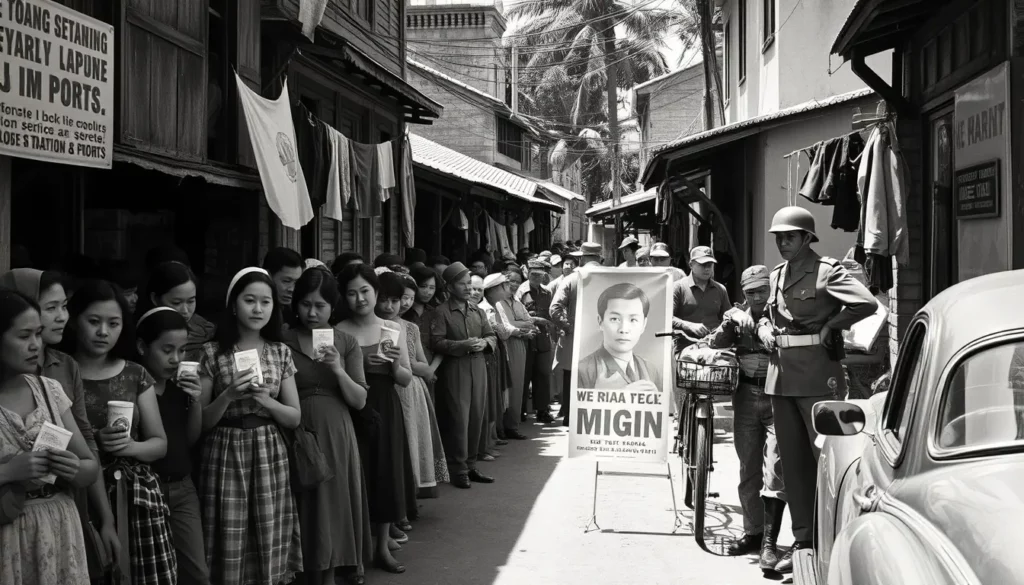
On the morning of January 2, 1942, Japanese troops entered Manila. The city had been declared an open city on December 26, 1941, after weeks of bombing and the withdrawal of Philippine and American forces toward Bataan and Corregidor. Manileños watched the arrival with a mixture of dread, curiosity, and calculation. Shops were shuttered, radios were hidden, and families began to count what they had. The occupation that followed was not a single dramatic event but a long emergency of queues, ration cards, night arrests, rumors, and empty shelves. Japanese propaganda promised order and “Asia for the Asiatics”; the street learned instead the meanings of “Mickey Mouse money,” “buy and sell,” and the Kempeitai. This article follows the occupation as contemporaries experienced it: as a struggle to eat, to protect kin, to read the intentions of armed men, and to wait for an uncertain liberation.
What Happened?
Manila’s occupation unfolded in phases. The first was military conquest and administrative improvisation. After Japanese forces entered the city in early January 1942, they established a military administration, censored newspapers, reopened schools under propaganda supervision, and organized neighborhood associations intended to monitor households. The surrender of Corregidor on May 6, 1942, seemed to remove the last organized American resistance in the archipelago, but it did not end Filipino resistance.
- December 8, 1941: Japanese attacks on the Philippines began, followed by air raids that damaged Manila and surrounding military sites.
- December 26, 1941: Manila was declared an open city to spare it from destruction; the government and military command withdrew to Corregidor.
- January 2, 1942: Japanese troops entered Manila and began the occupation.
- May 6, 1942: Corregidor surrendered, marking the end of organized American military resistance in the Philippines.
- 1942–1943: Food shortages, rationing, forced labor, inflation of Japanese military scrip, and intensified propaganda shaped daily life.
- October 14, 1943: A Japanese-sponsored Philippine Republic was inaugurated under José P. Laurel, even as real power remained with the Japanese military.
- 1942–1945: Guerrilla networks—including USAFFE remnants, the Hukbalahap in Central Luzon, and Manila underground groups—gathered intelligence, sabotage, and aid for civilians and Allied forces.
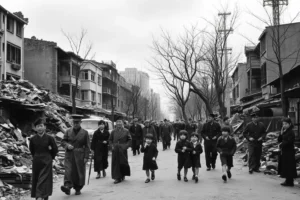
- February 3–March 3, 1945: The Battle of Manila ended the occupation but destroyed much of the city and killed an estimated 100,000 civilians.
Resistance was not confined to armed guerrilla units. In Manila it included hiding radios, passing intelligence, sheltering fugitives, forging ration documents, boycotting Japanese propaganda, and keeping small acts of dignity alive under surveillance. The Japanese responded with arrests, torture, and reprisals, especially through the Kempeitai military police. By 1944, as Allied forces advanced and Japanese control tightened, fear of betrayal and of liberation’s violence grew together.

How It Was Seen at the Time
Contemporary language reveals the split between official rhetoric and street reality. Japanese authorities presented the occupation as a liberation from Western colonialism and as part of the “Greater East Asia Co-Prosperity Sphere.” Filipino civilians often saw it as another foreign military rule, made worse by hunger and arbitrary arrest. The occupation was discussed in terms of survival: who had rice, who had medicine, who had been taken by the Kempeitai, and which rumors about the Americans seemed credible that week.
“Asia for the Asiatics.” — Japanese propaganda slogan in the occupied Philippines.
“Mickey Mouse money.” — Manileños’ derisive name for Japanese military scrip.
The mood was not simple despair. There was hope that the United States would return, expressed in the remembered promise “I shall return,” and later in MacArthur’s October 1944 declaration, “People of the Philippines, I have returned.” But hope coexisted with dread. Liberation, when it came, was not imagined by most civilians as an orderly rescue; it arrived as artillery, street fighting, and the destruction of neighborhoods.
Historical Snapshot
| Aspect | Detail |
|---|---|
| Date | January 2, 1942 – March 3, 1945 |
| Place | Manila, Philippines |
| People | Filipino civilians, Japanese military administrators and Kempeitai, guerrilla networks, American and Philippine constabulary forces, and later U.S. liberation troops |
| What Happened | Japanese forces occupied Manila, imposed military rule and rationing, fought guerrilla resistance, and defended the city until its destruction in the 1945 Battle of Manila |
| Why It Mattered | The occupation reshaped everyday life through hunger, currency collapse, surveillance, and resistance, and its violent end made Manila one of the war’s most devastated cities |
Daily Life
Daily life in occupied Manila was organized around scarcity. Rice, medicine, fuel, cloth, and soap became objects of anxious calculation. Official rations were inadequate, and households supplemented them with corn, camote, talinum, beans, and whatever could be grown in yards or bought through the black market. The phrase “buy and sell” described a whole informal economy: jewelry, watches, furniture, and clothing moved from house to house in exchange for food. Salaries paid in Japanese military scrip lost value quickly, so wages mattered less than goods and networks.
Health deteriorated as hunger persisted. Contemporary accounts describe dysentery, malaria, beriberi, and tuberculosis worsened by malnutrition and crowded housing. Medicines were scarce; families relied on home remedies, folk cures, and whatever a friendly clinic or pharmacist could spare. Public health was further strained by the movement of refugees, the wounded, and people seeking shelter from bombing or reprisals.
Social life was disciplined by curfews, checkpoints, and the fear of informers. Japanese soldiers and Kempeitai agents were a visible presence, but surveillance also worked through neighborhood associations and local officials. People learned to lower their voices, hide radios, and avoid gathering in large groups. Schools reopened under Japanese supervision, but attendance was complicated by hunger and by parents’ suspicions of propaganda. Work continued in offices, markets, and workshops, but the rhythm of the day was set by the search for food and by the need to be indoors before dark.
Everyday resistance grew out of these routines. Hiding a radio or a guerrilla courier, sharing rice with a fugitive, or carrying messages between neighborhoods could be acts of defiance. So could refusing to repeat propaganda or keeping a child out of a Japanese-run youth organization. These acts were small, but under occupation they carried real risk.
Eyewitness Accounts
One of the most direct Filipino accounts of daily life is Fernando J. Mañalac’s memoir Manila: Memories of World War II. Mañalac was twelve going on thirteen, a high-school freshman, when the war reached Manila. His book is a remembered child’s-eye account: the look of Japanese soldiers on the street, the anxieties of parents, the search for food, the rumors of the occupation, and the later shock of liberation. He and his family lived north of the Pasig River and were not caught in the worst destruction, but Japanese shellfire and the threat of holdouts still reached them. Such memoirs are valuable because they record the mundane details that official reports omit: what a ration looked like, how a household hid supplies, how children understood arrests and disappearances.
“Buy and sell.” — the phrase used by Manileños for the black-market trade that kept households fed when official rations failed.
Other eyewitness testimony survives in diaries and letters kept by civilians, internees, and soldiers. These sources often disagree about dates and numbers, but they agree on the texture of occupation: the constant hunger, the uncertainty of news, and the moral pressure to choose between safety and solidarity.
Numbers at the Time
| Item | Figure or Date | Source or Context |
|---|---|---|
| Population of Manila | 623,492 | 1939 Census of the Philippines |
| Japanese entry into Manila | January 2, 1942 | Contemporary military and civilian accounts |
| Corregidor surrender | May 6, 1942 | U.S. and Philippine military records |
| Japanese-sponsored republic inaugurated | October 14, 1943 | Japanese and Philippine official records |
| Battle of Manila | February 3 – March 3, 1945 | Military records and eyewitness accounts |
| Estimated civilian deaths in Manila, 1945 | About 100,000 | Postwar estimates and contemporary testimony |
Prices and rations fluctuated so widely that even contemporary diarists rarely agreed on exact figures. What recurs in the sources is the direction of change: official rations shrank, military scrip lost value, and black-market prices rose beyond the reach of salaried workers.
Different Perspectives
Filipino Civilians
For many Manileños, the occupation was primarily a crisis of food, health, and family safety. Civilians did not all behave the same way. Some sought protection by cooperating with Japanese-sponsored institutions; others joined or supported resistance networks; most tried to survive while minimizing risk. The phrase “buy and sell” captures the pragmatic creativity of households that could not rely on official distribution. Letters and diaries show that moral judgments about collaboration and resistance were often made quietly, under pressure, and with incomplete information.
Guerrilla and Underground Resistance
Guerrillas operated in the countryside and around Manila, while urban underground networks gathered intelligence, distributed clandestine news, and helped prisoners and fugitives. The Hukbalahap—the People’s Army Against Japan—fought in Central Luzon, and USAFFE-linked units maintained contacts with Allied forces. In the city, resistance could mean passing a map, hiding a radio, or carrying a warning. Japanese counterinsurgency made such acts dangerous; capture could mean torture or execution.
Japanese Occupiers
Japanese military authorities portrayed their rule as orderly, anti-colonial, and necessary for the Greater East Asia Co-Prosperity Sphere. Official proclamations promised Filipino participation in a new order, but real authority remained with the military and the Kempeitai. The occupation government’s food requisitions, censorship, and reprisals contradicted the language of liberation. Japanese sources are therefore useful less as neutral records than as evidence of how the occupiers wanted their rule to be seen.
American Liberation Forces
American and Allied forces entered Manila in February 1945 as liberators, and many civilians welcomed them. Yet liberation brought intense artillery and street fighting. Japanese defenders refused to surrender in parts of the city, and American firepower contributed to the destruction. Civilians were killed by both sides and caught between them. Official American reports emphasized military objectives; civilian memoirs emphasize the terror, hunger, and loss that accompanied the end of occupation.
How Historians See It Today
At the time, the occupation was usually narrated through military and political categories: conquest, collaboration, resistance, and liberation. Modern scholarship has shifted toward social history, asking how ordinary people ate, healed, mourned, and organized under occupation. Arnel E. Joven’s study of life, food, and health in wartime Luzon emphasizes that prewar medical and relief preparations were inadequate for the crisis that began in late 1941. Such work treats the family and neighborhood as central institutions of survival, alongside guerrilla units and official governments. Historians now pay more attention to the unevenness of resistance and collaboration, to the suffering caused by liberation’s violence, and to the voices of women and children preserved in memoirs and diaries.
This does not replace contemporary testimony; it clarifies it. The sources show that people at the time understood the occupation as both a military struggle and a daily test of endurance. Modern history explains how those two experiences were connected.
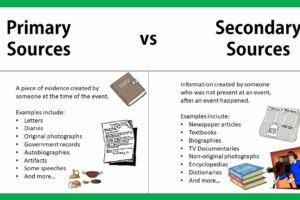
The Japanese occupation of Manila left a deep mark on the city and its people. It shows how quickly ordinary life can be reorganized around hunger, fear, and surveillance, and how resistance can appear in small, unglamorous acts. The primary sources—memoirs, diaries, slogans, ration records, and official proclamations—do not give a single tidy story. They give something more useful: the voices of people who waited, bargained, hid, mourned, and survived. Their testimony reminds us that war is lived not only in battles but in kitchens, queues, and quiet decisions made under threat.
FAQ
How did people in Manila get food during the Japanese occupation?
They relied on a mix of inadequate official rations, urban gardens, bartering, family networks, and the black-market trade known as “buy and sell.” Rice was often stretched with corn, camote, and vegetables, and medicine was similarly scarce. Contemporary memoirs and diaries emphasize that survival depended more on social networks than on official distribution.
What was resistance like in occupied Manila?
Resistance ranged from armed guerrilla activity in the countryside and organized underground networks in the city to everyday acts such as hiding radios, passing intelligence, sheltering fugitives, and forging documents. The Japanese military responded with surveillance, arrest, torture, and reprisals, especially through the Kempeitai. Not everyone resisted, and choices about collaboration and survival were often made under extreme pressure.
What was “Mickey Mouse money”?
“Mickey Mouse money” was the popular name for Japanese military scrip issued during the occupation. It was meant to replace Philippine currency and pay for goods and labor, but it lost value rapidly through inflation, making salaries and savings unreliable. The nickname expressed both mockery and the everyday experience of worthless paper money.
What happened to Manila at liberation in 1945?
American and Allied forces entered Manila in February 1945, and fighting continued until early March. Japanese defenders resisted street by street, while American artillery and bombardment contributed to widespread destruction. An estimated 100,000 civilians died, and much of the city’s built heritage was destroyed. Liberation was welcomed, but it came at enormous civilian cost.


Leave a Reply