
Short Answer
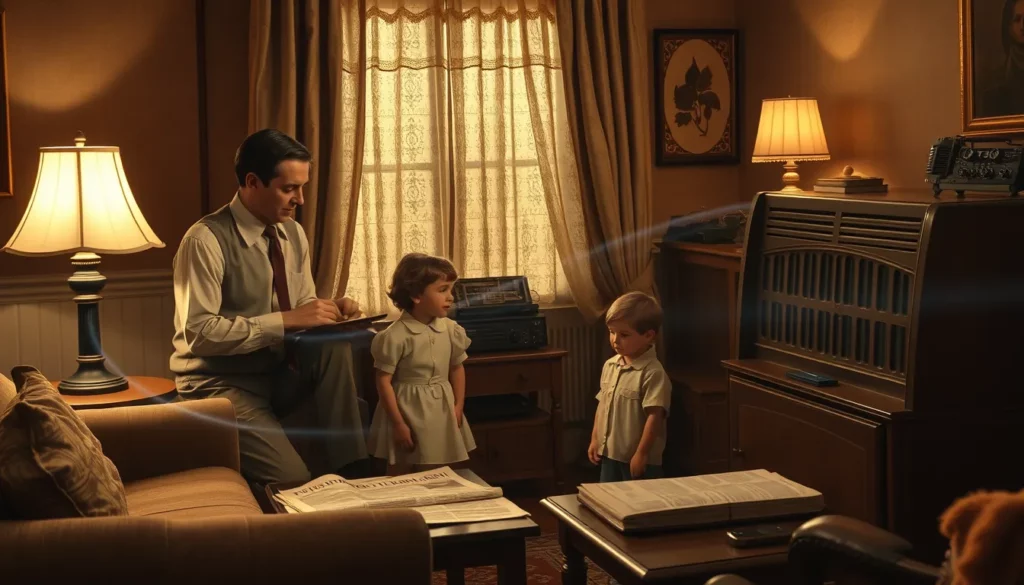
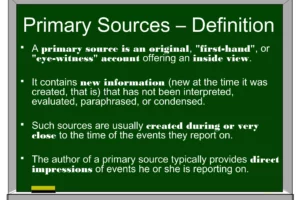
At 8 p.m. Eastern Standard Time on 30 October 1938, the Columbia Broadcasting System began a dramatization of H. G. Wells’s The War of the Worlds. Across the United States, listeners turned the dials of their consoles and tabletop sets. Some heard dance music, then a simulated news bulletin: “We interrupt our program of dance music to bring you a special bulletin from the Intercontinental Radio News.” The broadcast vanished into the air, but transcription discs, scripts, newspaper columns, and listeners’ letters preserved traces of it. For historians, such traces are primary sources: they show not only what was said but how it was heard, contested, and remembered. Analyzing a historical radio broadcast is therefore an exercise in reconstruction. It requires treating sound as evidence, establishing provenance, reading the broadcast against schedules, scripts, and reception, and asking what the recording does not contain. This article explains how to do that work using period sources—station logs, scripts, press notices, correspondence, diaries, and official records—rather than relying on later summaries.
What Happened?
The subject is not a single event but the emergence of radio broadcasting as a mass medium and the later preservation of its broadcasts as historical documents. The key developments are chronological and interlocking:
- 2 November 1920: Station KDKA in Pittsburgh broadcast returns from the Harding–Cox presidential election, an early and widely cited demonstration of regular public radio service in the United States.
- 14 November 1922: The British Broadcasting Company, predecessor of the BBC, began daily broadcasting in Britain, establishing a model of national radio with scheduled news, talks, and entertainment.
- May 1926: During the General Strike, the BBC broadcast government-approved bulletins and talks, revealing radio’s capacity to shape public understanding of a national crisis.
- 1927: The United States Radio Act created the Federal Radio Commission, while the BBC was reconstituted by royal charter as a public corporation. Both reflected the belief that radio required regulation and public responsibility.
- 12 March 1933: Franklin D. Roosevelt delivered the first of his “fireside chats,” speaking directly to Americans about the banking crisis in an intimate, conversational register.
- 30 October 1938: CBS broadcast The War of the Worlds, a dramatic production whose simulated bulletins became a case study in radio’s authority and audience credulity.
- 1940–1941: Edward R. Murrow’s CBS broadcasts from London, often opening with “This is London,” brought the Blitz into American homes through sound, voice, and immediate reported detail.
These broadcasts were not made as archival documents. Early stations rarely recorded their output; transcription discs were expensive and often used for syndication or later rebroadcast, not routine preservation. What survives is selective: scripts, station logs, press listings, correspondence, off-air recordings, and official files. The historian’s first task is to establish what exactly was broadcast, when, by whom, and in what form it survives.

How It Was Seen at the Time
Contemporaries experienced radio as immediate, intimate, and potentially unsettling. It entered the home without a visible speaker, addressed listeners directly, and could interrupt ordinary life with news or drama. Roosevelt’s opening words in 1933 were designed to sound like a conversation rather than a proclamation: “My friends, I want to talk for a few minutes with the people of the United States about banking.” Listeners wrote to the White House as though replying to a personal letter, a sign of how radio collapsed distance between public figure and citizen.
“We interrupt our program of dance music to bring you a special bulletin from the Intercontinental Radio News.” — The War of the Worlds, CBS, 30 October 1938.
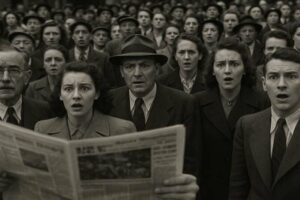
The same intimacy could produce anxiety. After the War of the Worlds broadcast, newspapers described listeners fleeing homes, jamming telephone lines, and gathering in churches. The press language mixed fascination with alarm, treating radio as a new force that could bypass reason. During the Blitz, Murrow’s plain opening—“This is London”—carried authority precisely because it was understated. Listeners trusted the voice, the background noise, and the sense of a reporter speaking from danger. Yet contemporaries also knew that radio could be staged, sponsored, censored, or simply wrong. The medium was trusted and suspected at the same time.
Historical Snapshot
| Aspect | Detail |
|---|---|
| Date | c. 1920–1960, the classic age of radio before television displaced it in many households. |
| Place | North America, Europe, and increasingly global networks and colonial broadcasting systems. |
| People | Broadcasters, producers, engineers, sponsors, regulators, and millions of listeners. |
| What Happened | Radio became a primary medium for news, politics, entertainment, advertising, and wartime reporting. |
| Why It Mattered | It created a new kind of historical trace: the recorded or transcribed human voice speaking to a mass audience in real time. |
What People Knew at the Time
| What People Knew Then | What We Know Now |
|---|---|
| Listeners heard broadcasts as live and ephemeral; once the program ended, it was gone unless recorded by a station or hobbyist. | Historians can compare surviving recordings with scripts, logs, and press reports, but must accept that most broadcasts were never recorded. |
| Audiences often did not know whether a bulletin was verified, dramatized, sponsored, or censored. | Archival evidence shows that broadcasts were shaped by network policy, government pressure, advertising, and production conventions. |
| Newspapers and listeners interpreted radio through existing habits of reading, rumour, and local gossip. | Reception was varied; letters, diaries, and audience studies reveal indifference, skepticism, and panic in different proportions than newspaper headlines suggested. |
What the Sources Got Wrong
Contemporary sources about radio are not neutral records. The most famous distortion concerns The War of the Worlds. On 31 October 1938, The New York Times reported under the headline “Radio Listeners in Panic, Taking War Drama as Fact,” describing widespread terror. Newspapers had reasons to emphasise radio’s danger: radio was a rival medium, and a panic story was dramatic copy. Later examination of listeners’ letters, station records, and audience research—including Hadley Cantril’s 1940 study The Invasion from Mars—showed a more complicated picture. Many listeners recognised the dramatization, tuned in late, or were merely confused; panic was real for some but not universal. The newspaper headline became a convenient summary that obscured the evidence.
Another common error is mistaking a later recording for the original broadcast. Early radio was often preserved through electrical transcription discs made for syndication, or through off-air “airchecks” recorded by hobbyists. These copies may be cut, re-recorded, or mislabelled. A script may represent a planned text rather than the words actually spoken. A station log may list a program without indicating whether it was live, recorded, or cancelled. The historian must therefore distinguish between the event of broadcasting and the documents that claim to represent it.
Contemporary Terminology
- Wireless: The British and early transatlantic term for radio, especially before “radio” became standard.
- Loudspeaker: The device that made radio a shared household experience rather than a headphone-only technology.
- Crystal set: A simple early receiver requiring no power supply but often limited to one nearby station.
- Sustaining program: An unsponsored broadcast, often cultural or public-service programming, supported by the network or licence fee.
- Electrical transcription: A disc recording made for broadcast use, often for syndication or delayed transmission.
- Aircheck: An off-air recording of a broadcast, frequently made by stations or enthusiasts rather than by the network.
- Fireside chat: The informal name for Roosevelt’s direct radio talks, evoking domestic intimacy rather than formal address.
- Listen in: A common early phrase meaning to tune into a broadcast, reflecting radio as an act of attention rather than a background medium.
Key Documents
- BBC General Strike bulletins, May 1926: Show how a public broadcaster negotiated government pressure and public trust during a national emergency.
- United States Radio Act, 1927: Established the regulatory framework that shaped station ownership, frequencies, and public-service expectations.
- BBC Royal Charter, 1927: Defined the public corporation model that made the BBC a national institution and a major archival producer.
- Franklin D. Roosevelt, first fireside chat script and transcript, 12 March 1933: Demonstrates the deliberate use of radio diction, pace, and domestic address in political communication.
- Communications Act of 1934: Created the Federal Communications Commission and consolidated American radio regulation.
- The War of the Worlds script, CBS, 30 October 1938: Provides the planned text against which the surviving recording and contemporary reactions can be compared.
- Edward R. Murrow’s London broadcasts, 1940: Recordings and transcripts that show how radio reported war to a distant civilian audience.
How Historians See It Today
At the time, radio was often discussed as a transparent conduit—a way to hear the truth directly from a leader, reporter, or witness. Modern historians treat it instead as a mediated performance. They ask who controlled the microphone, what conventions governed speech, how sound effects and silence shaped meaning, and how audiences used broadcasts in their daily lives. This shift does not make contemporary accounts worthless; it makes them evidence of expectation as well as evidence of events. Historians now pay close attention to the material archive: transcription discs, magnetic tape, scripts, correspondence, and regulatory files. They also recognise that archival silence is meaningful. The absence of recordings for most early broadcasts tells us about technology, cost, and institutional priorities, not merely about lost history.
The strongest analysis combines close listening with corroboration. A broadcast should be checked against newspaper listings, station logs, scripts, diaries, letters, and official records. The historian listens for tone, accent, pacing, background sound, and interruption, then asks what those features were meant to produce in listeners. This method treats radio as both a text and an event: something written and produced, but also something heard in a particular room, at a particular moment, by people who did not know what would happen next.
The enduring lesson of historical radio broadcasts is that primary sources do not speak for themselves. A voice from the past can seem immediate, even intimate, but it reaches us through microphones, scripts, institutions, and archives. By reconstructing those mediations, historians can recover not only what people heard but what they believed they were hearing—and why it mattered.
FAQ
How can I tell whether a radio recording is an original broadcast?
Check provenance first: station or network records, transcription-disc labels, cataloguing notes, and whether the recording is an aircheck, syndicated transcription, or later re-creation. Compare the recording with scripts, schedules, and contemporary press listings. A recording that lacks a clear chain of custody should be treated as a later document until proven otherwise.
Why are so many early radio broadcasts missing?
Early radio was usually broadcast live and not routinely recorded. Recording equipment was expensive, discs were fragile, and stations had little incentive to preserve daily output. What survives often comes from syndicated electrical transcriptions, off-air hobbyists, or scripts and logs rather than complete recordings.
Can a later recording still be a primary source?
Yes, but its evidential value changes. A later recording may be primary evidence of how a broadcast was remembered, re-enacted, or used in a later period, rather than direct evidence of the original transmission. Historians must state clearly which event the source documents.






Leave a Reply