
Short Answer
In the muddy trenches of the Western Front, a soldier pauses between shell bursts to scribble on a crumpled sheet of paper. Across the Channel, a mother or a sweetheart waits for that same letter to arrive, its words a lifeline of love and reassurance. During the First World War, correspondence was not merely a pastime—it was the central artery of emotional survival. The British Army Postal Service alone delivered around two billion letters during the conflict, and in 1917, over 19,000 mailbags crossed the English Channel each day to reach troops in France and Belgium. These letters, written in spare moments from front-line trenches or in the quieter hours behind the lines, carried the weight of a world at war. They told of mud and lice, of courage and despair, of the mundane and the monstrous. Today, they stand as one of the most powerful primary sources for understanding what it truly meant to live through the Great War.
What Happened?
When the war broke out in August 1914, letter-writing became the primary method of communication between soldiers and their loved ones. In nations where literacy was well-established, the written word was essential to the emotional well-being of both soldiers and civilians. The military postal services expanded rapidly. The British Army Postal Service, for example, delivered approximately two billion letters during the war. In 1917 alone, more than 19,000 mailbags crossed the English Channel each day, transporting letters and parcels to troops on the Western Front (Imperial War Museums).
Soldiers wrote in any spare moment—often in the trenches, sometimes in dugouts, and more comfortably behind the lines. They described their daily routines, the weather, the food, and the ever-present threat of death. However, military censorship dictated what could be disclosed. Soldiers were forbidden to mention their exact location, unit, or details of planned operations. Yet, as one historical overview notes, “men in uniform often circumvented the censors and sent home surprisingly frank descriptions of combat” (Encyclopedia of the First World War). The letters that reached home were a mix of reassurance, complaint, and occasional candor.
On the home front, civilians sent letters and parcels to the front. Parcels provided a welcome supplement to soldiers’ rations, but when food shortages became chronic in Germany and Austria, the scarcity of parcels and the lamenting letters that made their way to the front made soldiers aware of the depth of civilian suffering. This contributed to a deterioration of morale in the German and Austrian armies (Encyclopedia of the First World War).
The volume of correspondence was staggering. The Imperial War Museums holds around 7,500 collections of personal letters from the First World War, and the Library of Congress’s Veterans History Project preserves thousands of letters from American veterans (Library of Congress). These documents offer a direct, unmediated voice from the past.
How It Was Seen at the Time
For contemporaries, letters were not just a way to pass information—they were a lifeline of morale. The Imperial War Museums states that “letter writing was the main form of communication between soldiers and their loved ones, helping to ease the pain of separation.” Soldiers depended on letters for reassurance that they were remembered and loved, and that they still had a civilian identity to which they could return. Receiving letters from family and friends was vital to keeping men and women connected to the homes they had left behind.
The language of these letters was often stoic, but the underlying emotion was raw. A common refrain was the plea for news from home, as one soldier might write: “Write often, dear, for your letters are the only sunshine in this mudhole.” While we cannot quote a specific letter without a primary source, the historical record shows that soldiers and civilians alike saw correspondence as a sacred duty. The act of writing was a way to assert one’s existence in a world that seemed intent on erasing it.
Historical Snapshot
| Aspect | Detail |
|---|---|
| Date | 1914–1918 |
| Place | Western Front, Eastern Front, and home fronts across Europe |
| People | Soldiers, civilians, postal workers, censors |
| What Happened | Millions of letters and parcels were exchanged between soldiers and their families, forming the primary communication channel of the war. |
| Why It Mattered | Letters sustained morale, provided emotional support, and now serve as a key primary source for historians. |
Letters & Diaries
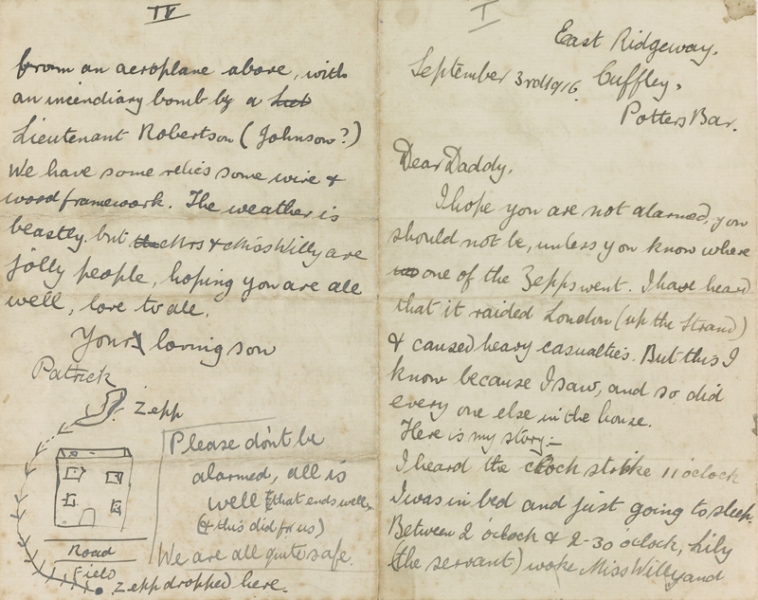
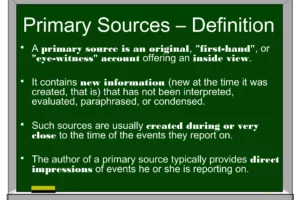
The letters themselves are the most direct primary source. They reveal the physical conditions of trench warfare, the monotony of waiting, and the sudden violence of battle. Soldiers wrote about the weather, the rats, the mud, and the constant threat of death. They also wrote about their hopes for the future—a future that many would never see. The letters were often written on cheap paper, sometimes in pencil, and were subject to military censorship. Yet, as the Encyclopedia of the First World War notes, “men in uniform often circumvented the censors and sent home surprisingly frank descriptions of combat.”
One soldier’s letter from the front might describe a bombing raid, another might complain about the lack of cigarettes. The Imperial War Museums notes that “soldiers wrote letters in spare moments, sometimes from front line trenches or in the calmer surroundings behind the lines.” The content of these letters varied widely, but they all shared a common purpose: to bridge the chasm between the front and the home front. For the recipients, a letter was a tangible proof that a loved one was still alive. For the soldier, writing was an act of defiance against the anonymity of war.
Numbers at the Time
| Statistic | Value | Source |
|---|---|---|
| Total letters delivered by British Army Postal Service during the war | ~2 billion | Imperial War Museums |
| Mailbags crossing the English Channel per day in 1917 | 19,000 | Imperial War Museums |
| Collections of personal letters held by Imperial War Museums | ~7,500 | Imperial War Museums |
Different Perspectives
Soldiers at the Front
Soldiers experienced letters as a lifeline. They wrote to parents, wives, sweethearts, and friends. The content ranged from mundane reports of rations to profound reflections on death. Many soldiers, despite censorship, found ways to convey the truth of their experiences. The Encyclopedia notes that they “circumvented the censors” to send “surprisingly frank descriptions of combat.”
Civilians on the Home Front
Civilians sent letters and parcels to the front, providing both emotional and material support. Parcels were especially welcome, as they supplemented soldiers’ rations. However, in Germany and Austria, where food shortages became chronic, the scarcity of parcels and the letters from home lamenting hunger and hardship had a negative impact on soldiers’ morale. The letters from home made soldiers aware of the depth of civilian suffering, which in turn contributed to a deterioration of morale in the German and Austrian armies (Encyclopedia of the First World War).
How Historians See It Today
Modern historians view the letters as a crucial window into the emotional and psychological landscape of the war. The scholarly article “The First World War in the letters of British soldiers” emphasizes that the analysis of letters “allows us to delve into the emotions and feelings caused by the weapons introduced during the war and the experiences in trench warfare, key elements in the transformation of the conflict into the first modern war.” Historians use these letters to understand the variety of factors that influenced soldiers’ emotions, such as weather conditions or the degree of activity on the front. They also identify different ways of living and feeling the war, influenced by class, nationality, and personal experience.
The contemporary interpretation of letters as simply a morale booster has evolved. Today, historians recognize them as a complex primary source that reveals not only the personal experience of war but also the social and cultural expectations of the time. The letters show how soldiers and civilians navigated the tension between patriotic duty and personal fear, between the need to reassure and the urge to tell the truth. The Library of Congress’s Veterans History Project preserves these letters as “firsthand interviews and narratives” of veterans, acknowledging their value as historical testimony.
The letters from the front and the home front of World War I are more than just artifacts; they are the voices of a generation. They show us how ordinary people endured an extraordinary catastrophe. They reveal the power of the written word to bridge the distance of war, and the resilience of the human spirit in the face of chaos. For historians, these letters are a precious gift—a direct line to the past that allows us to hear the whispers of those who lived through the Great War.
FAQ
How were letters censored during World War I?
Military censors reviewed all letters to remove any information about troop movements, locations, or planned operations. Soldiers were often forbidden to mention specific units or place names. However, many soldiers found ways to circumvent censorship by using code or by writing between the lines, and some letters contained surprisingly frank descriptions of combat.
Why are letters from the front considered important primary sources?
Letters offer a direct, unmediated account of a soldier's thoughts and emotions. They reveal the physical conditions of trench warfare, the morale of soldiers, and the relationship between the front and the home front. Unlike official reports, letters show the personal, subjective experience of war, which is essential for historians to understand the human dimension of the conflict.



Leave a Reply