
Short Answer
1. Quick Snapshot
This article treats “Hiroshima in 1945: The First Days After the Atomic Bomb” in its most common historical sense: the city of Hiroshima during the immediate aftermath of the U.S. atomic bombing of 6 August 1945, with emphasis on the first days and weeks rather than the whole Pacific War or the later reconstruction.
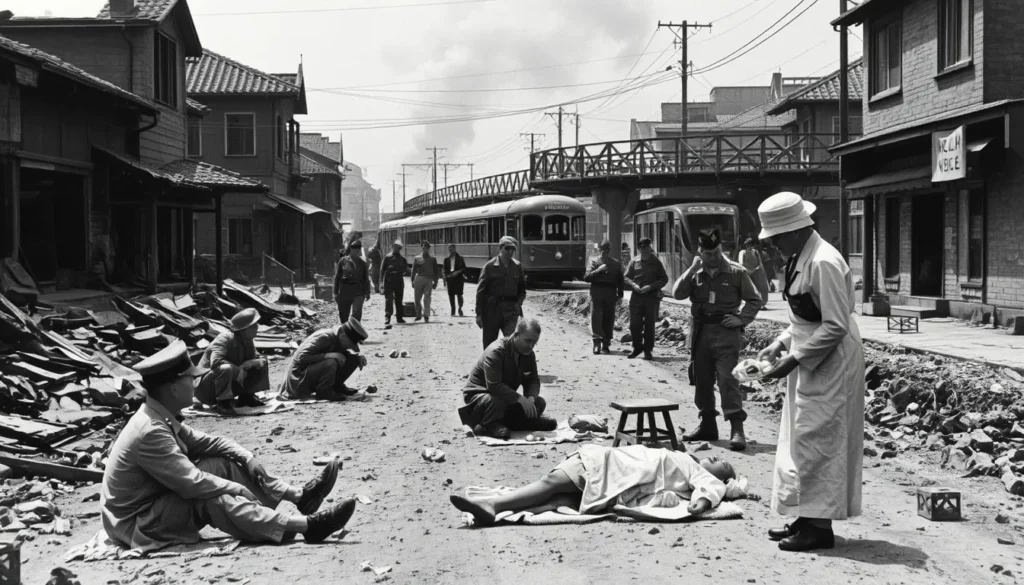
At 8:15 a.m. on 6 August 1945, the B-29 Enola Gay dropped the uranium bomb known as Little Boy over central Hiroshima. The blast, firestorm, and radiation killed tens of thousands instantly and many more in the following days and weeks. The city’s wooden housing, military facilities, tram lines, hospitals, and schools were shattered; survivors emerged into a landscape of fire, dust, and corpses.
By the next morning, rescue work had begun amid ruins. Military units, surviving police and doctors, and villagers from outside the city brought rice balls, bandages, and transport. Refugees fled toward Aki, Asa, Saeki, Ujina Port, and the islands of the Seto Inland Sea. The first days were dominated by burns, thirst, search for relatives, improvised first aid, cremation, and rumors about a new and inexplicable sickness.
2. Hiroshima in 1945
Hiroshima lies on the delta of the Ota River, built across low islands and reclaimed land linked by bridges. To the south lay Ujina Port and the Seto Inland Sea; to the north and east rose hills and farming villages. In August the weather was hot and humid, and after the bombing the air carried smoke, dust, and the smell of decay.
Wartime Hiroshima was a military as well as a regional city. Air-raid warnings, blackout drills, evacuation orders, and shortages had already reshaped daily routines before 6 August. The city had been partly emptied of civilians, especially children sent to the countryside, yet it remained a major administrative, transport, and military center.
3. Population & Economy
Hiroshima’s prewar population was roughly 350,000, though wartime evacuation had reduced the number present by August 1945; exact figures are uncertain. Residents included city workers, soldiers, schoolchildren, Korean laborers and others caught in wartime mobilization, and people who had moved in from surrounding districts.
The economy was dominated by war. Military logistics, ordnance and supply depots, port activity, small manufacturing, food processing, and retail trade all served the city and its hinterland. Rationing controlled rice and other staples, while black-market goods commanded inflated prices. The bombing destroyed much of the commercial and military infrastructure on which this economy depended.
4. Government & Politics
Hiroshima was governed in 1945 by wartime emergency structures rather than ordinary electoral politics. Mayor Senkichi Awaya led the city government and was killed in the bombing. The 2nd General Army headquarters, commanded by Field Marshal Shunroku Hata, was located at Hiroshima Castle, making the city a key military command center. Neighborhood associations and air-defense units organized rationing, firefighting, and evacuation.
Political life was tightly controlled by the Home Ministry, prefectural authorities, and military demands. Censorship limited public discussion, and after the bombing local authority was largely reduced to improvised relief work. The surrender of Japan in mid-August and the arrival of occupation forces soon transformed the city’s governance again.
5. Industry
Hiroshima’s industry was closely tied to the Army and Navy. Ordnance and supply installations, military warehouses, port facilities at Ujina, ship repair and transport services, and small workshops formed part of the war economy. Commercial firms and neighborhood trades also continued where materials allowed, but production was subordinated to military needs.
The atomic bomb destroyed factories, warehouses, and transport links across central Hiroshima. In the first days, surviving military units and civilian volunteers concentrated on rescuing the injured and distributing food rather than restarting production. Ujina Port remained vital for bringing relief into the city and for moving refugees toward the islands.
6. Education
Hiroshima had elementary schools, girls’ higher schools, technical institutions, and higher schools such as the Hiroshima Higher Normal School. Literacy was high, but wartime education had been reshaped by mobilization: older students worked in factories and demolition brigades, and school buildings were used for military or relief purposes.
After the bombing, schools became improvised relief stations. The First Elementary School, undamaged by fire, served as a relief station until October, and part of its schoolyard became a temporary crematorium. Many pupils and teachers had been killed or injured, and formal schooling in central Hiroshima virtually ceased in the first weeks.
7. Transportation
Hiroshima was a transport hub. The Sanyo Main Line and Hiroshima Station connected the city to western Japan; streetcars moved people through the city; bridges linked the river districts; and Ujina Port handled sea traffic to the Seto Inland Sea islands and beyond.
The bomb destroyed railway facilities, tram lines, bridges, and roads in the center. In the first days, military trucks carried injured people to the suburbs, trains and ferries moved survivors and supplies where they could, and rescue workers traveled on foot through ruins. Partial tram and rail service returned only gradually.
8. Everyday Life
Before 6 August, daily life was shaped by rationing, air-raid drills, and neighborhood obligations. Families queued for food, children drilled in air-defense routines, and many people wore practical wartime clothing. Housing was mostly wooden and vulnerable to fire; food was scarce; entertainment was limited by blackouts and shortages.
After the blast, ordinary routines collapsed into search and survival. Survivors looked for relatives, sought water, and sheltered in ruined buildings or relief stations. Villagers sent rice balls to the city, and people who had no energy to eat sometimes simply held them. The dead were cremated in improvised pyres, while Buddhist memorial customs and mutual aid continued amid chaos. Many victims were stripped of their clothes by the blast and suffered burns and exposure.
9. Major Events
The central event was the atomic bombing of 6 August. On 7 August, rice balls arrived from surrounding towns and villages and were distributed to survivors. On 9 August, Nagasaki was bombed, deepening the sense of national crisis. Japan announced surrender on 15 August, and the formal surrender ceremony took place on 2 September. On 17 September, Typhoon Makurazaki struck the region and caused further damage to the ruined city.
In the same period, U.S. occupation forces began arriving and surveying the effects of the bomb. Japanese medical teams, military relief units, and surviving civil authorities struggled to treat burns, wounds, and the mysterious symptoms that would later be understood as radiation sickness.
10. What Newspapers Were Reporting
Hiroshima’s major newspaper, the Chugoku Shimbun, was itself damaged and lost staff in the bombing. In the first days, local publishing was severely disrupted, and what appeared in print was constrained by wartime censorship and, soon afterward, by occupation rules. Early reports focused on the surrender, relief notices, missing persons, and official instructions rather than on a full medical account of radiation effects.
Newspapers and public bulletins helped coordinate food distribution and rescue, but they could not yet explain the scale of the catastrophe. Readers encountered a mixture of official announcements, practical notices, and rumor. The full meaning of the atomic bomb would emerge only gradually through medical observation, surveys, and survivor testimony.
11. What People Were Talking About
Survivors and rescuers spoke of a city erased in an instant, of fires that could not be fought, and of a strange illness that appeared after the flash. People asked whether the bomb was a new weapon, whether poison gas had been used, and whether relatives had survived. Doctors such as Michihiko Hachiya recorded these uncertainties in diaries that mixed clinical detail with exhaustion and grief.
Food and relief were central concerns. Shinso Hamai later recalled the improvised rice-ball plan organized through surrounding towns and villages. He wrote:
“Of all the plans the Defense Headquarters had put in place, the rice ball plan was the only one we actually carried out.” — Shinso Hamai, A-bomb Mayor
Such testimony shows how survival in the first days depended on small, practical acts of mutual aid as much as on official relief.
12. Historical Photographs
Photographs from the first days are among the most important visual records. Yoshito Matsushige took a small number of photographs in Hiroshima on 6 August itself, among the few immediate images of the destruction. Mitsuo Matsushige photographed a truck carrying injured people to safety in the suburbs on the afternoon of 6 August. Hajime Miyatake photographed the Hiroshima Red Cross Hospital between 9 and 12 August, showing exposed rooms and injured patients on thin futons.
A photographer with the Army Marine Headquarters recorded the relief station at the First Elementary School around 7 to 20 August. These images show burned and injured survivors, crowded aid stations, ruined buildings, and improvised cremation. They are not neutral illustrations; they are primary evidence of how the disaster was seen and recorded under extreme conditions.
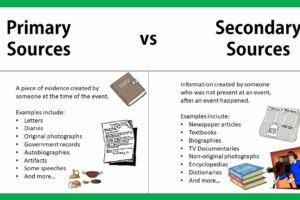
13. Documents & Primary Sources
- Hiroshima Diary by Michihiko Hachiya, covering 6 August to 30 September 1945 and describing the bombing, medical care, and surrender from a physician’s perspective.
- A-bomb Mayor by Shinso Hamai, recalling city relief efforts, including the rice-ball distribution from surrounding villages.
- Hiroshima City’s April 1945 mass evacuation summary, which listed planned evacuation areas and emergency supplies.
- Photographs by Yoshito Matsushige, Mitsuo Matsushige, Hajime Miyatake, and the Army Marine Headquarters photographer’s unit.
- U.S. Strategic Bombing Survey reports and Hiroshima Peace Memorial Museum records, which document physical damage, casualties, and relief conditions.
14. 1945 Timeline
| Date | Event |
|---|---|
| 6 August 1945, 8:15 a.m. | The atomic bomb is dropped on central Hiroshima; fires, blast damage, and mass casualties follow. |
| 6 August, afternoon | Injured people are carried by truck to suburbs; improvised relief stations begin operating. |
| 7 August | Rice balls arrive from surrounding towns and villages and are distributed to survivors. |
| 9 August | Nagasaki is bombed; Hiroshima’s hospitals remain overwhelmed. |
| 15 August | Japan announces surrender; relief work continues amid uncertainty. |
| 2 September | Formal Japanese surrender; U.S. occupation begins. |
| 17 September | Typhoon Makurazaki damages the already ruined city. |
15. What Changed Next
In the months that followed, Hiroshima became a center of occupation surveys, medical investigation, and reconstruction. Survivors later known as hibakusha faced long-term health effects, stigma, and grief. The city government, rebuilt under new postwar conditions, promoted Hiroshima as a symbol of peace and nuclear disarmament, while survivors’ testimony became central to public memory.
The first days after 6 August thus mark a turning point not only in Hiroshima’s history but in modern warfare and medicine. The improvised relief of August 1945 gave way to organized reconstruction, but the experience of those days remained foundational for how the city and the world understood the atomic bomb.
16. Sources
- Hiroshima Peace Memorial Museum, “Hiroshima Immediately after the Bombing,” Virtual Museum, https://hpmmuseum.jp/virtual/VirtualMuseum_e/exhibit_e/exh1302_e/exh130203_e.html
- Michihiko Hachiya, Hiroshima Diary: The Journal of a Japanese Physician, August 6-September 30, 1945, OSTI record, https://osti.gov/etdeweb/biblio/22428242
- Shinso Hamai, A-bomb Mayor, excerpts in Hiroshima Peace Memorial Museum virtual exhibit.
- U.S. Strategic Bombing Survey, The Effects of Atomic Bombs on Hiroshima and Nagasaki (1946), https://www.ibiblio.org/hyperwar/AAF/USSBS/AtomicEffects/index.html
- Chugoku Shimbun / Hiroshima Peace Media Center, https://www.hiroshimapeacemedia.jp/
FAQ
What was the population of Hiroshima in 1945?
Hiroshima’s prewar population was roughly 350,000, but wartime evacuation had reduced the number present by August 1945, perhaps to around 280,000-300,000; exact figures are uncertain.
What major events happened in Hiroshima in 1945?
The central event was the atomic bombing of 6 August 1945. In the following days, survivors fled, relief stations opened, rice balls arrived from surrounding villages, Japan surrendered on 15 August, and occupation forces began surveying the city.
What primary sources are available for studying Hiroshima in 1945?
Key sources include Michihiko Hachiya’s Hiroshima Diary, Shinso Hamai’s A-bomb Mayor, Hiroshima City evacuation records, photographs by Yoshito Matsushige and others, Chugoku Shimbun reports, and U.S. Strategic Bombing Survey documents.
How did daily life in Hiroshima in 1945 differ from today?
Daily life was shaped by wartime rationing, air-raid drills, wooden housing, and limited transport. After 6 August, routines collapsed into rescue, search for relatives, improvised first aid, and survival amid ruins, with none of the modern medical and communications infrastructure available today.

Leave a Reply