
Short Answer
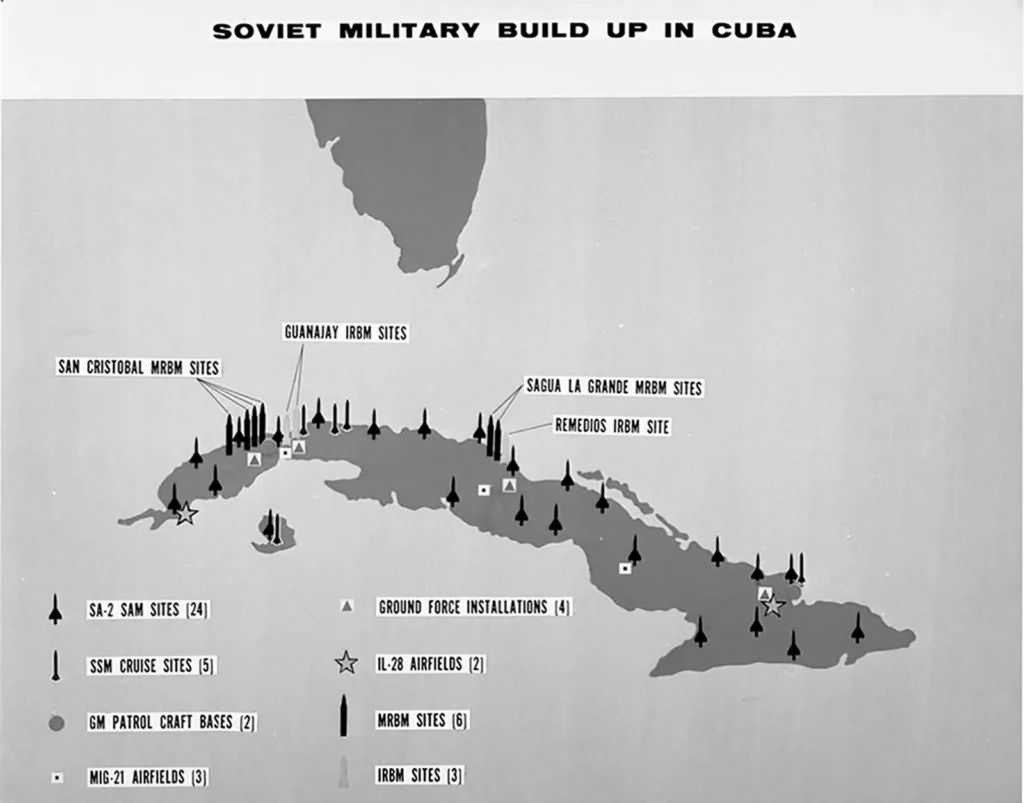
On the morning of October 16, 1962, Washington, D.C., was a city on the edge of a precipice. Shortly after 9 o’clock, Attorney General Robert F. Kennedy received a call from his brother, President John F. Kennedy, who said only that “we were facing great trouble.” Minutes earlier, National Security Advisor McGeorge Bundy had alerted the President that a U-2 surveillance aircraft had photographed Soviet missile sites under construction in Cuba, just 90 miles from the coast of Florida. The photographs, taken on October 14, provided the first conclusive evidence that the Soviet Union was placing nuclear missiles in the Western Hemisphere. The most dangerous confrontation of the Cold War had begun, and for thirteen days the world held its breath at the edge of the nuclear abyss.
What Happened?
The Cuban Missile Crisis unfolded over a tense two-week period. The chronological record, as reconstructed from contemporary sources, is as follows:
- October 14, 1962: A U.S. U-2 surveillance aircraft photographs hundreds of images of Soviet missile bases near San Cristobal, Cuba.
- October 16: CIA analysts confirm the photographs show medium-range ballistic missiles. At 8:45 AM, Bundy informs President Kennedy. Shortly after 9:00 AM, Robert F. Kennedy is summoned to the White House, where the President tells him “we were facing great trouble.” The Executive Committee of the National Security Council (ExComm) is convened.
- October 22: President Kennedy addresses the American people on television, announcing the discovery of the missiles and the imposition of a naval quarantine of Cuba.
- October 24: The quarantine goes into effect. Soviet ships approaching Cuba are ordered to turn back.
- October 26–27: The crisis reaches its peak. Intense negotiations occur between Washington and Moscow, including a secret letter from Soviet Premier Nikita Khrushchev offering to remove the missiles in exchange for a U.S. pledge not to invade Cuba.
- October 28: Khrushchev announces that the missiles will be dismantled and returned to the Soviet Union. The crisis ends.
How It Was Seen at the Time
Contemporaries understood the crisis as a direct confrontation between the two superpowers that could end in nuclear war. Robert F. Kennedy, writing in his memoir Thirteen Days, captured the prevailing mood: “The world was to be held in the balance of the United States and the Soviet Union.” He wrote of the “fear of the unknown and the fear of the future” that gripped the White House. In an article he later wrote for the Washington Post, he reflected: “That kind of pressure does strange things to a human being.” The JFK Library microsite describes the crisis as “the most dangerous encounter in the Cold War rivalry between the United States and the Soviet Union.” The public mood was one of dread and uncertainty, as citizens awaited the next announcement from the President.
Historical Snapshot
| Aspect | Detail |
|---|---|
| Date | October 16–28, 1962 |
| Place | Washington, D.C.; Cuba; the Caribbean Sea |
| People | President John F. Kennedy, Attorney General Robert F. Kennedy, Soviet Premier Nikita Khrushchev, and the members of the ExComm |
| What Happened | The U.S. discovered Soviet nuclear missiles in Cuba and imposed a naval quarantine, leading to a 13-day standoff. |
| Why It Mattered | The world came closer to nuclear war than at any other point in the Cold War, and the resolution set a precedent for diplomatic crisis management. |
What People Knew at the Time
Contemporary knowledge was shaped by secrecy and government statements. The public knew that missiles were in Cuba, but not the details of the secret negotiations or the internal debates of the ExComm. The table below contrasts what was known then with what is known now.
| What People Knew Then | What We Know Now |
|---|---|
| The U.S. government announced the presence of Soviet missiles and imposed a quarantine. | The missiles were discovered via U-2 photographs, and the ExComm debated between airstrikes and a blockade. |
| The crisis was portrayed as a Soviet challenge to U.S. security. | The Soviet leadership feared a U.S. invasion of Cuba and sought to protect the island. |
| The public was unaware of the secret back-channel communications between the White House and the Kremlin. | The crisis was resolved through secret letters and a deal that included the removal of U.S. missiles from Turkey. |
Eyewitness Accounts
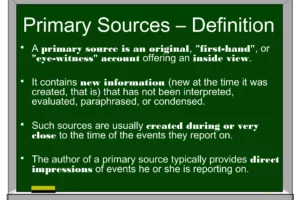
Robert F. Kennedy was a central eyewitness to the crisis, serving as a close advisor to his brother and a member of the ExComm. His memoir, Thirteen Days, offers a first-hand narrative. He described the initial moment: “He said only that we were facing a great trouble.” He wrote of the intense pressure: “That kind of pressure does strange things to a human being, even to a great and brave one.” Kennedy also recalled the pervasive fear: “The fear of the unknown and the fear of the future.” These accounts provide a rare inside view of the deliberations and the emotions of the participants.
Official Reports
The White House tapes and minutes of the ExComm meetings, preserved in the John F. Kennedy Library and analyzed in scholarly studies, constitute the official record of the crisis. These documents reveal the intense debates between “hawks,” who advocated an immediate airstrike on the missile sites, and “doves,” who favored a naval quarantine. The minutes show that President Kennedy initially leaned toward a quarantine, but was under pressure to take military action. The official reports also document the crucial correspondence with Moscow, including the letter from Khrushchev that ultimately resolved the crisis.
What People Feared
The dominant fear was of nuclear war. Robert F. Kennedy wrote of the “fear of the unknown and the fear of the future” that permeated the White House. The JFK Library describes the world being brought to “the abyss of nuclear destruction.” Many Americans stocked fallout shelters, and there was widespread panic. The crisis also sparked fears of a Soviet invasion of the U.S. or a preemptive strike. The public did not know how close the world was to war, but the tension was palpable.
Timeline
- October 14, 1962: U.S. U-2 flight photographs missile sites in Cuba.
- October 16: President Kennedy is informed; the ExComm is convened.
- October 22: Kennedy addresses the nation; the quarantine is announced.
- October 24: The quarantine goes into effect; Soviet ships turn back.
- October 26–27: The crisis peaks; secret negotiations intensify.
- October 28: Khrushchev announces missile removal; the crisis ends.
The thirteen days in October 1962 left an indelible mark on the world. The primary sources—Robert F. Kennedy’s memoir, the Washington Post article, the White House tapes, and the JFK Library documents—reveal the raw fear and the delicate diplomacy that averted catastrophe. They remind us that the Cold War was not an abstraction but a lived reality, and that the decisions of a few individuals could shape the fate of millions. The crisis remains a powerful lesson in the importance of communication, restraint, and the human dimension of international politics.
FAQ
What was the role of Robert F. Kennedy in the Cuban Missile Crisis?
Robert F. Kennedy was a key advisor to his brother, President John F. Kennedy, during the crisis. He served on the ExComm and was directly involved in the secret negotiations with the Soviet Union. His memoir 'Thirteen Days' is a primary source that details his experiences and the decisions made in the White House.
How did the Cuban Missile Crisis end?
The crisis ended on October 28, 1962, when Soviet Premier Nikita Khrushchev announced that the Soviet Union would dismantle the missile sites in Cuba in exchange for a U.S. pledge not to invade Cuba. The agreement also included a secret understanding that the U.S. would remove its Jupiter missiles from Turkey.



Leave a Reply