
Short Answer
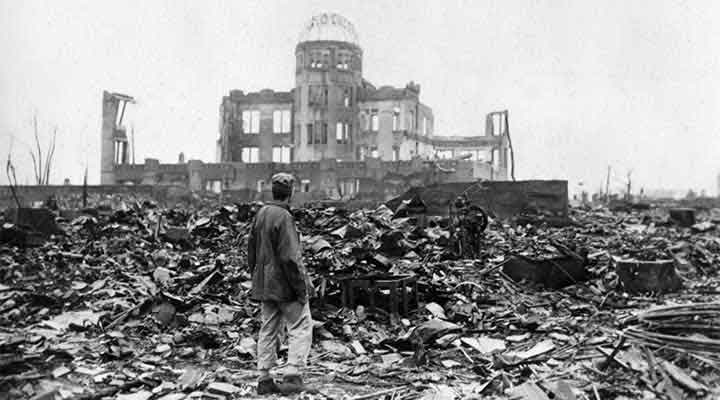
On the morning of August 6, 1945, the city of Hiroshima was beginning its daily routine. At 8:15 a.m., an electric streetcar was approaching Hatchobori Station, packed with morning commuters. Suddenly, an intense flash of light filled the sky, followed by a blast that instantly set the car on fire. Passengers were thrown, burned, and trapped. Within minutes, the city was engulfed in flames, and survivors began a desperate search for water. This scene, recorded in survivor testimonies, captures the first moments of the atomic age. This article reconstructs the atomic bombings of Hiroshima and Nagasaki through the words of those who lived through them, using contemporary reports, eyewitness accounts, and official records from the time.
What Happened?
On August 6, 1945, at 8:15 a.m., an atomic bomb was dropped on Hiroshima, Japan. The explosion occurred approximately 780 meters from the Hatchobori streetcar stop, where a streetcar carrying nearly 100 passengers was caught in the blast. According to the testimonies collected in the booklet Give Me Water and the Voice of Hibakusha project, the immediate flash and heat wave were unlike anything experienced before. The streetcar’s passengers were instantly burned and the car set on fire. Only ten survivors of that streetcar have been confirmed to date.
Three days later, on August 9, 1945, a second atomic bomb was dropped on Nagasaki. While fewer contemporary records exist in the sources provided, the Nagasaki Medical College Report on Rescue Work After the Atomic Bombing describes the devastating effects on the city and the medical response.
The key events can be summarized as follows:
- August 6, 1945, 8:15 a.m. – Atomic bomb explodes over Hiroshima at an altitude of about 600 meters. The hypocenter was near the center of the city.
- August 9, 1945 – Atomic bomb explodes over Nagasaki, killing tens of thousands.
- August 15, 1945 – Emperor Hirohito announces Japan’s surrender, ending World War II.
The exact number of casualties was not immediately known, but later estimates suggest that by the end of 1945, the bombs had killed approximately 200,000 people, many from burns, radiation sickness, and injuries.
How It Was Seen at the Time
At the moment of the blast, few understood what had happened. The survivors described the flash as a brilliant light, and the heat as an overwhelming wave. Isao Kita, a weather observer at the Hiroshima District Weather Bureau, 3.7 kilometers from the hypocenter, later recalled:
“I noticed the flashing light. It was not really a big flash. But still it drew my attention. In a few seconds, the heat wave arrived. After I noticed the flash, white clouds spread over the blue sky. It was amazing. It was as if blue morning-glories had suddenly bloomed up in the sky. It was funny, I thought. Then came the heat wave. It was very very hot. Even though there was a window glass in front of me, I felt really hot. It was as if I was looking directly into a kitchen oven.”
The prevailing mood was one of confusion and fear. The streetcar testimony from Hatchobori states: “A little after eight in the morning on August 6, the streetcar for Koi left Hiroshima Station. And at 8:15 it approached Hatchobori Station, 780 meters from the hypocenter and an intense flash and blast engulfed the car, instantly setting it on fire.” The survivors, many of them burned and bleeding, called out for water. The phrase “Give me water” became a recurring plea, as captured in the booklet Give Me Water: Testimonies of Hiroshima and Nagasaki.
Historical Snapshot
| Aspect | Detail |
|---|---|
| Date | August 6 and August 9, 1945 |
| Place | Hiroshima and Nagasaki, Japan |
| People | Civilians, military personnel, schoolchildren, streetcar passengers |
| What Happened | Atomic bombs were dropped, causing mass destruction, fire, and radiation sickness |
| Why It Mattered | Led to Japan’s surrender and the end of World War II; introduced the nuclear age |
Eyewitness Accounts
The most direct evidence comes from the survivors themselves. The Voice of Hibakusha project, which collected video testimonies, includes the story of Tomiko Sasaki, who was 17 years old on that day. She was on the streetcar near Hatchobori, on her way to a friend’s house. The account notes that “Nearly 100 passengers are said to have been on board on the streetcar which was near Hatchobori. But the survival of only ten have been confirmed to date.”
Isao Kita, the weather observer, provided a detailed account of the flash and heat. His testimony was recorded for the same project. The Give Me Water booklet, published in 1972 by a citizens’ group, includes testimonies from many survivors, including Tamiki Hara, whose piece “Give Me Water” became emblematic of the suffering. The booklet also contains the Nagasaki Medical College Report on Rescue Work After the Atomic Bombing, which describes the desperate efforts to treat the wounded and the overwhelming number of casualties.
“Give me water, please!” – a recurring plea from the dying, as recorded in the testimonies.
Official Reports
The Nagasaki Medical College Report on Rescue Work After the Atomic Bombing is a key official document. It describes the medical situation in Nagasaki after the second atomic bomb. The report notes that the bomb had a devastating effect on the city’s medical infrastructure, with hospitals destroyed and doctors killed. The report also documents the appearance of new symptoms, later identified as radiation sickness, which were not fully understood at the time.
Aftermath
The immediate aftermath was characterized by fire, thirst, and a desperate search for water. The streetcar survivors were burned and trapped. Many people rushed to the rivers, but the water was contaminated. The lack of water is a recurring theme in the testimonies. The Give Me Water booklet captures the anguish: “Give me water, give me water.”
In the following days, radiation sickness began to appear, with symptoms such as nausea, vomiting, and hair loss. The medical report from Nagasaki noted that many patients who seemed to be recovering later died from what was then called “atomic bomb sickness.” The full extent of the damage was not known for years.
How Historians See It Today
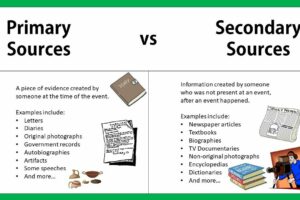
At the time, the bombings were described in official statements as a necessary act to end the war quickly. Contemporary reports from the United States focused on the military and strategic aspects, while Japanese reports, especially those from survivors, emphasized the human cost. Modern historians, using these primary sources, have shifted the focus to the long-term effects of radiation and the ethical questions surrounding the use of nuclear weapons. The survivor testimonies, once suppressed or overlooked, are now central to understanding the experience of the bombings. The Give Me Water booklet and the Voice of Hibakusha collection are now recognized as essential primary sources that give voice to the victims and challenge earlier, more abstract accounts of the event.
The bombings of Hiroshima and Nagasaki remain a defining moment in world history. The primary sources from the time—the streetcar survivors, the weather observer’s account, the medical reports, and the desperate cries for water—teach us that the atomic bomb was not just a military event, but a profound human catastrophe. They remind us that history is not only made by generals and politicians, but by ordinary people who lived through extraordinary suffering. Their words continue to echo, urging us to remember the cost of war and the fragility of human life.
FAQ
What did the survivors of Hiroshima and Nagasaki see at the moment of the atomic bomb?
Survivors described a intense flash of light, followed by a heat wave that felt like an oven. The flash was described as 'not really a big flash' but drew attention, and white clouds spread over the sky. The heat was so intense that it was like looking into a kitchen oven. Many were instantly burned, and the streetcar at Hatchobori was set on fire.
How did the official reports describe the effects of the bomb?
The Nagasaki Medical College Report described the rescue work and the symptoms of the victims, including what was later recognized as radiation sickness. The report noted that many patients died even after initial recovery, indicating a new and mysterious condition.
Why is the phrase 'Give me water' associated with the bombings?
The phrase 'Give me water' was a desperate plea from the survivors, who were severely burned and dehydrated. The booklet 'Give Me Water' collects testimonies from Hiroshima and Nagasaki, and the phrase became symbolic of the suffering and the lack of aid in the immediate aftermath.


Leave a Reply