
Skip to content
AsTheySawIt.com
  • Home
  • Decades
  • Events
  • People
  • Places
  • Sources
  • Themes
  • Years

Recent Posts

  • Nine Days of Walking, Waiting and Rumour: Everyday Life in Britain During the General Strike of 1926
  • Martha Gellhorn: Reporting War from Spain to Normandy
  • Vienna Under Four Flags: Occupation, Hunger, and the Divided City, 1945–1955
  • How to Verify a Viral Historical Photograph Before Citing It
  • Singapore in 1965: Everyday Life in a Newly Independent Nation

Recent Comments

No comments to show.

Archives

  • November 2026
  • October 2026
  • August 2026
  • July 2026

Categories

  • Decades
  • Events
  • People
  • Places
  • Sources
  • Themes
  • Years

Themes

Cross‑cutting topics linking diverse sources.

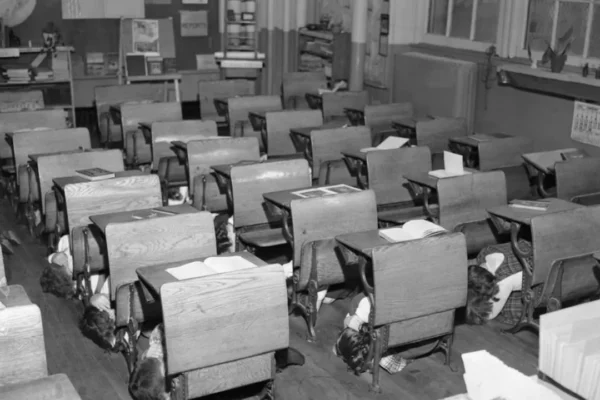
Duck and Cover: How American Schools Prepared for Nuclear War

Duck and Cover: How American Schools Prepared for Nuclear War

July 21, 2026 | Themes | Jerry S. Green

In the early 1950s, American schoolchildren practiced ducking under their desks as the nation braced for a Soviet atomic attack. Drawing on the iconic film ‘Duck and Cover’ and civil defense drills, this article explores the fears, routines, and official instructions that shaped a generation’s childhood.
Read More →
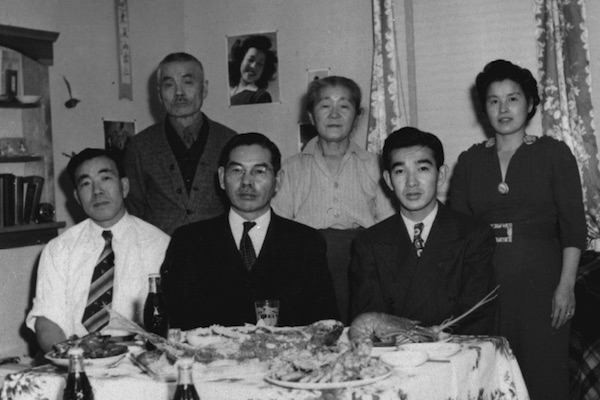
The Japanese American Internment Through Primary Sources: Voices from the Camps

The Japanese American Internment Through Primary Sources: Voices from the Camps

July 21, 2026 | Themes | Jerry S. Green

Drawing on diaries, oral histories, photographs, and camp newspapers, this article reconstructs the Japanese American internment experience from the perspectives of those who lived it—from the ‘I am an American’ sign to the barbed wire and roll calls.

Read More →

Expatriate Workers in 1970s Kuwait: The Invisible Majority

July 20, 2026 | Themes | Jerry S. Green

In 1970s Kuwait, the oil boom created a society where foreign workers outnumbered native Kuwaitis. Drawing on contemporary reports and official studies, this article reconstructs the experiences, fears, and policies surrounding the expatriate majority that powered the nation’s economy.

Read More →

How the 1906 Earthquake Changed Seismology: The Birth of Modern Earthquake Science

July 20, 2026 | Themes | Jerry S. Green

The 1906 San Francisco earthquake transformed earthquake science from a neglected field into a rigorous discipline. This article uses contemporary reports and scientific records to show how the disaster led to the elastic rebound theory and the founding of modern seismology.

Read More →

The United Nations in the Congo: Peacekeeping, Controversy, and the Limits of Intervention

July 19, 2026 | Themes | Jerry S. Green

In July 1960, the UN launched its largest peacekeeping operation in the Congo, but a contradictory mandate, Cold War rivalries, and the secession of Katanga turned it into a ‘mission impossible.’ Drawing on contemporary reports and official records, this article examines what was known, feared, and expected during the four-year crisis.

Read More →

Diaries and Letters: Reconstructing Personal Experience from the Past

July 19, 2026 | Themes | Jerry S. Green

Drawing on the work of historians and literary critics, this article explores how personal letters and diaries serve as vital primary sources for recovering the subjective experience of the past—what people felt, feared, and believed—and how modern scholars approach these intimate texts with care.

Read More →

The Rise of the Supermarket: How Self-Service Changed British Shopping

July 18, 2026 | Themes | Jerry S. Green

From ration queues to open shelves, this article traces how self-service supermarkets transformed British retail between 1945 and 1960, drawing on contemporary reports and official records to show what shoppers and shopkeepers actually experienced.

Read More →

The Beveridge Report and the Making of the Welfare State, 1945

July 17, 2026 | Themes | Jerry S. Green

In 1945, as Britain emerged from war, the Labour government turned the Beveridge Report’s wartime vision into law. Drawing on contemporary accounts, this article reconstructs how Britons experienced the birth of the welfare state—from the report’s bestselling popularity to the fierce debates over the National Health Service.

Read More →

Detecting Censorship in Historical Sources: The Missing Evidence

July 17, 2026 | Themes | Jerry S. Green

A historian’s guide to recognizing archival silences and deliberate omissions in primary sources, drawing on recent omission studies and the censorship of history.

Read More →

The Blackout: How Wartime Darkness Transformed British Cities

July 15, 2026 | Themes | Jerry S. Green

Drawing on eyewitness accounts, diaries, and official records, this article reconstructs how the British blackout of 1939–1944 plunged cities into darkness, reshaped daily life, and became a defining experience of the Home Front.

Read More →

Posts pagination

← Previous 1 … 4 5 6 7 8 9 Next →

About This Site

History Through the Eyes of Those Who Lived It

Recent Articles

  • How Historians Evaluate Conflicting Accounts
  • How Propaganda Should Be Read as a Historical Source
  • How Photographs Become Historical Evidence
  • How to Read Old Letters and Diaries
  • How to Use Historical Newspapers as Primary Sources
  • How Reliable Are Eyewitness Accounts of Historical Events?
  • How Eyewitness Accounts Help Us Understand History
  • Primary Sources vs Secondary Sources: What Is the Difference?
  • How to Read Primary Sources Like a Historian
  • What Is a Primary Source? A Guide to Historical Evidence
  • Nine Days of Walking, Waiting and Rumour: Everyday Life in Britain During the General Strike of 1926
  • Martha Gellhorn: Reporting War from Spain to Normandy
  • Vienna Under Four Flags: Occupation, Hunger, and the Divided City, 1945–1955
  • How to Verify a Viral Historical Photograph Before Citing It
  • Singapore in 1965: Everyday Life in a Newly Independent Nation
  • Home
  • Privacy Policy
  • About Us
  • Contact Us
  • Disclaimer
  • Terms of Service
© 2026 AsTheySawIt.com. All rights reserved. Powered by WordPress