Skip to content
AsTheySawIt.com
  • Home
  • Decades
  • Events
  • People
  • Places
  • Sources
  • Themes
  • Years

Recent Posts

  • Nine Days of Walking, Waiting and Rumour: Everyday Life in Britain During the General Strike of 1926
  • Martha Gellhorn: Reporting War from Spain to Normandy
  • Vienna Under Four Flags: Occupation, Hunger, and the Divided City, 1945–1955
  • How to Verify a Viral Historical Photograph Before Citing It
  • Singapore in 1965: Everyday Life in a Newly Independent Nation

Recent Comments

No comments to show.

Archives

  • November 2026
  • October 2026
  • August 2026
  • July 2026

Categories

  • Decades
  • Events
  • People
  • Places
  • Sources
  • Themes
  • Years

Themes

Cross‑cutting topics linking diverse sources.

The Second Coming of the Invisible Empire: The Ku Klux Klan of the 1920s

The Second Coming of the Invisible Empire: The Ku Klux Klan of the 1920s

July 28, 2026 | Themes | Jerry S. Green

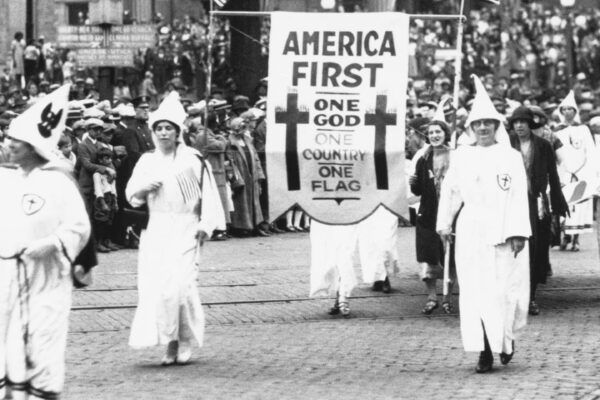
Drawing on contemporary newspapers, eyewitness accounts, and the Klan’s own publications, this article reconstructs the rise and fall of the 1920s Ku Klux Klan—a mass movement that spread across all 48 states, shaped politics, and exposed the deep anxieties of the Jazz Age.

Read More →
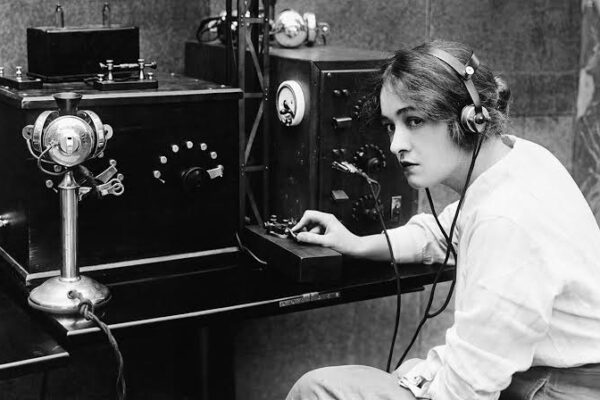
The Telegraph and the Speed of News: How the Electric Wire Revolutionized Reporting

The Telegraph and the Speed of News: How the Electric Wire Revolutionized Reporting

July 28, 2026 | Themes | Jerry S. Green

Drawing on contemporary accounts, this article explores how the electric telegraph transformed news gathering and reporting from 1844 onward, creating the 24-hour news cycle and reshaping public expectations of timeliness.

Read More →
How Sputnik Changed American Schools: The Space Race in the Classroom

How Sputnik Changed American Schools: The Space Race in the Classroom

July 27, 2026 | Themes | Jerry S. Green

When the Soviet Union launched Sputnik in October 1957, its beeping signal sparked a revolution in American education. Drawing on contemporary reports and eyewitness accounts, this article reconstructs how the space race transformed classrooms, curricula, and national priorities.

Read More →
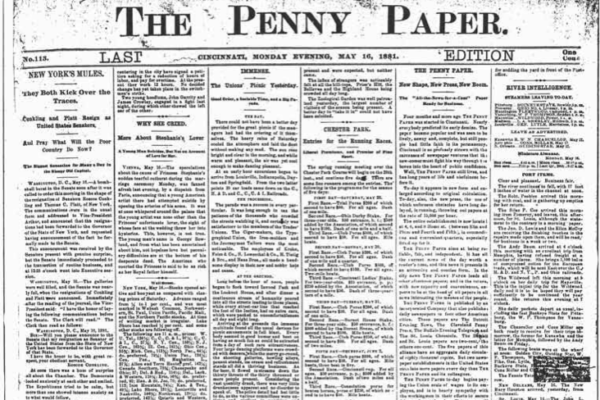
The Penny Press and the Rise of Mass Media: How 1830s New York Changed News Forever

The Penny Press and the Rise of Mass Media: How 1830s New York Changed News Forever

July 26, 2026 | Themes | Jerry S. Green

In 1830s New York, Benjamin H. Day and James Gordon Bennett launched the first penny newspapers, selling news for a cent and democratizing information. Drawing on primary sources, this article reconstructs how contemporaries experienced the birth of mass media and how the steam printing press made it possible.

Read More →
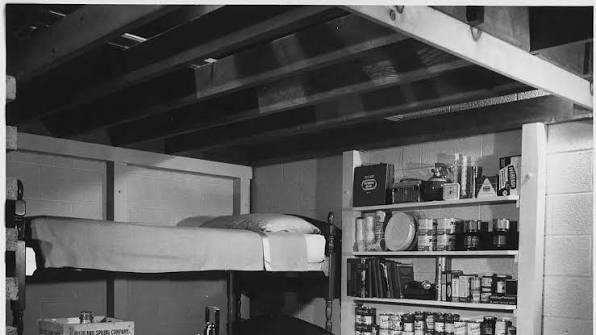
The Family Fallout Shelter: How 1950s America Built for the Bomb

The Family Fallout Shelter: How 1950s America Built for the Bomb

July 26, 2026 | Themes | Jerry S. Green

Drawing on government pamphlets, civil defense radio announcements, and archival records, this article reconstructs how ordinary American families in the 1950s and 1960s built basement shelters, stocked canned goods, and prepared for nuclear war — revealing both their practical precautions and their deepest anxieties.

Read More →
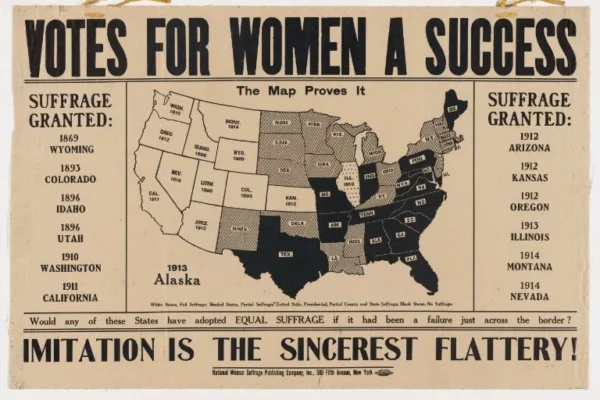
Voices for the Vote: The Women’s Suffrage Movement Through Primary Sources

Voices for the Vote: The Women’s Suffrage Movement Through Primary Sources

July 25, 2026 | Themes | Jerry S. Green

From early petitions to the White House picket line, this article reconstructs the women’s suffrage movement through the letters, declarations, and eyewitness accounts of those who fought for the vote, culminating in the 19th Amendment in 1920.

Read More →
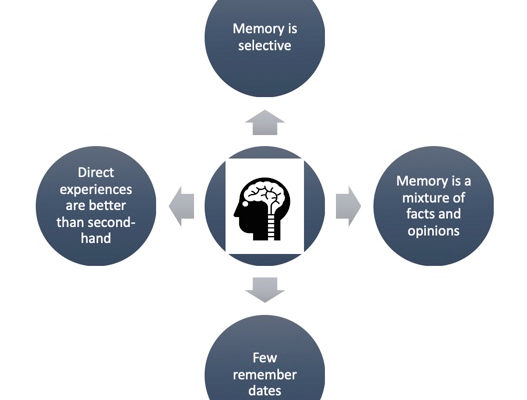
The Ethics of Oral History: Memory, Consent, and Interpretation

The Ethics of Oral History: Memory, Consent, and Interpretation

July 25, 2026 | Themes | Jerry S. Green

From postwar positivism to the modern co-created interview, oral historians have wrestled with the ethical obligations of capturing memory. Drawing on the Oral History Association’s foundational statements and five decades of scholarly debate, this article traces how consent, interpretation, and the narrator’s dignity became central to the practice.

Read More →
The Red Scare and McCarthyism Through Contemporary Sources: Fear, Accusation, and the Blacklist

The Red Scare and McCarthyism Through Contemporary Sources: Fear, Accusation, and the Blacklist

July 25, 2026 | Themes | Jerry S. Green

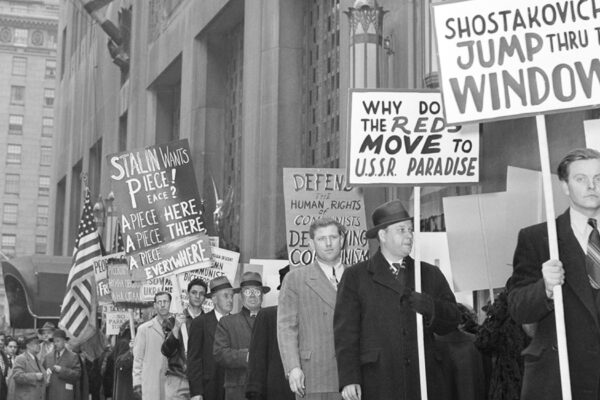
A comprehensive historical reference article on the Red Scare and McCarthyism, built from contemporary reports, hearings, and personal accounts, showing how fear, accusation, and the blacklist reshaped American life after World War II.

Read More →
Everyday Life in the 20th Century: Ordinary Lives in an Age of Upheaval

Everyday Life in the 20th Century: Ordinary Lives in an Age of Upheaval

July 24, 2026 | Themes | Jerry S. Green

Drawing on autobiographies, diaries, and contemporary reports, this article reconstructs the daily routines, fears, and expectations of ordinary people in the early 20th century, from the working-class streets of London to the industrial cities of America.

Read More →
Women in the Iranian Revolution: Voices from the Streets of Tehran

Women in the Iranian Revolution: Voices from the Streets of Tehran

July 23, 2026 | Themes | Jerry S. Green

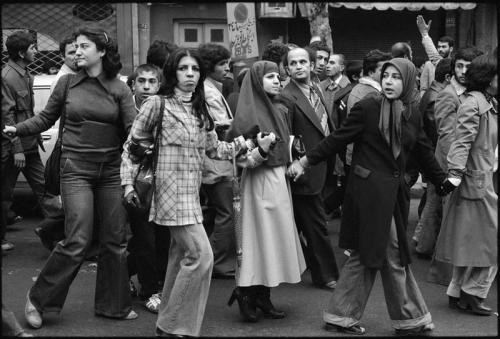
In March 1979, weeks after the Shah’s fall, Iranian women who had helped make the revolution took to the streets to protest the new regime’s mandatory veil. Drawing on eyewitness accounts, Kate Millett’s tapes, and BBC/CBC retrospectives, this article reconstructs the voices, fears, and expectations of those women.

Read More →

Posts pagination

← Previous 1 … 3 4 5 6 7 … 9 Next →

About This Site

History Through the Eyes of Those Who Lived It

Recent Articles

  • How Historians Evaluate Conflicting Accounts
  • How Propaganda Should Be Read as a Historical Source
  • How Photographs Become Historical Evidence
  • How to Read Old Letters and Diaries
  • How to Use Historical Newspapers as Primary Sources
  • How Reliable Are Eyewitness Accounts of Historical Events?
  • How Eyewitness Accounts Help Us Understand History
  • Primary Sources vs Secondary Sources: What Is the Difference?
  • How to Read Primary Sources Like a Historian
  • What Is a Primary Source? A Guide to Historical Evidence
  • Nine Days of Walking, Waiting and Rumour: Everyday Life in Britain During the General Strike of 1926
  • Martha Gellhorn: Reporting War from Spain to Normandy
  • Vienna Under Four Flags: Occupation, Hunger, and the Divided City, 1945–1955
  • How to Verify a Viral Historical Photograph Before Citing It
  • Singapore in 1965: Everyday Life in a Newly Independent Nation
  • Home
  • Privacy Policy
  • About Us
  • Contact Us
  • Disclaimer
  • Terms of Service
© 2026 AsTheySawIt.com. All rights reserved. Powered by WordPress