Skip to content
AsTheySawIt.com
  • Home
  • Decades
  • Events
  • People
  • Places
  • Sources
  • Themes
  • Years

Recent Posts

  • The Chinese Intervention in the Korean War: Western Press Coverage of the ‘Hordes’ and the Reality
  • The Pan-European Picnic of 1989: The Peaceful Protest That Opened the Iron Curtain
  • Panic on the Pages: How 1893’s Newspapers Chronicled Economic Ruin
  • Life in East Berlin Before the Wall Fell: Letters and Diaries from the 1980s
  • The Postal System in the 19th Century: How Letters Traveled Before Email

Recent Comments

No comments to show.

Archives

  • August 2026
  • July 2026

Categories

  • Decades
  • Events
  • People
  • Places
  • Sources
  • Themes
  • Years

Jerry S. Green

The Newsboy: The Children Who Sold Papers on America’s Streets

August 6, 2026 | People | Jerry S. Green

From Benjamin Franklin’s apprentice days to the 1899 strike that shook New York, this article explores the lives of America’s newsboys—the street vendors who hawked the press and became symbols of youthful grit and exploitation.
Read More →

The Congo Free State Atrocities: How Missionaries and Journalists Exposed Leopold’s Rule

August 6, 2026 | Themes | Jerry S. Green

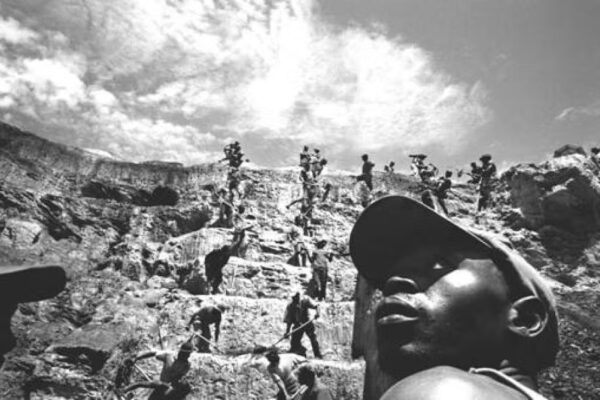
Drawing on eyewitness accounts, missionary reports, and the investigative journalism of Edmund Dene Morel and Roger Casement, this article reconstructs how the world learned of the Congo Free State’s rubber terror and the propaganda war that shaped public opinion.

Read More →

Pearl Harbor Through Eyewitness Accounts: The Day of Infamy as Seen by Those Who Were There

August 6, 2026 | Events | Jerry S. Green

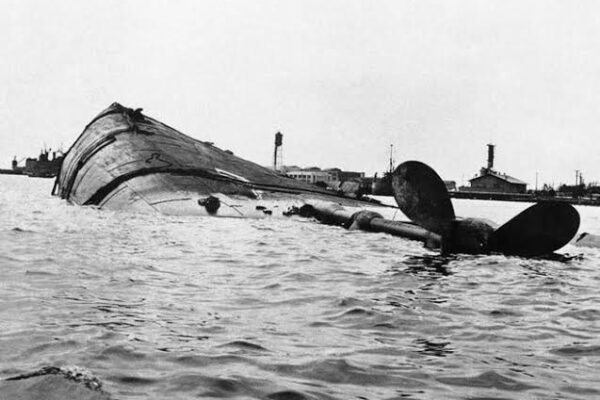
Drawing on letters, journals, and recorded recollections from sailors and civilians who lived through December 7, 1941, this article reconstructs the attack on Pearl Harbor through the words of those who witnessed it firsthand.

Read More →

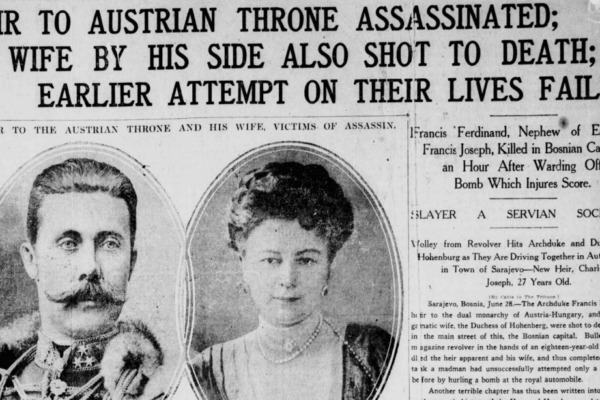
The Assassination of Archduke Franz Ferdinand as Reported by Contemporary Sources

August 6, 2026 | Events | Jerry S. Green

Drawing on newspaper reports, eyewitness dispatches, and official records from June 1914, this article reconstructs the assassination of Archduke Franz Ferdinand and his wife Sophie in Sarajevo, showing how the world first learned of the crime and what contemporaries feared and expected in its aftermath.

Read More →

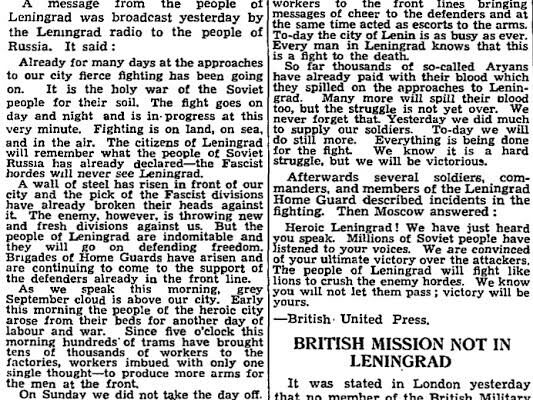
The Siege of Leningrad Through Diaries and Newspapers: Civilian Life Under Total War

August 5, 2026 | Events | Jerry S. Green

Drawing on the intimate diaries and letters of besieged Leningraders, this article reconstructs how civilians experienced the 872-day blockade, the famine, and the daily struggle for survival, revealing a reality starkly different from official Soviet propaganda.

Read More →

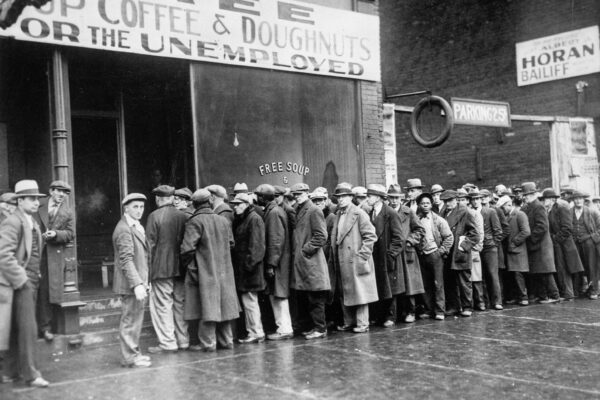
Everyday Life During the Great Depression: Hardship, Resilience, and Survival

August 5, 2026 | Decades | Jerry S. Green

Drawing on contemporary letters, newspaper reports, and eyewitness accounts, this article reconstructs the daily struggles of American families during the Great Depression—from breadlines and Hoovervilles to wage cuts and drought-stricken farms.

Read More →

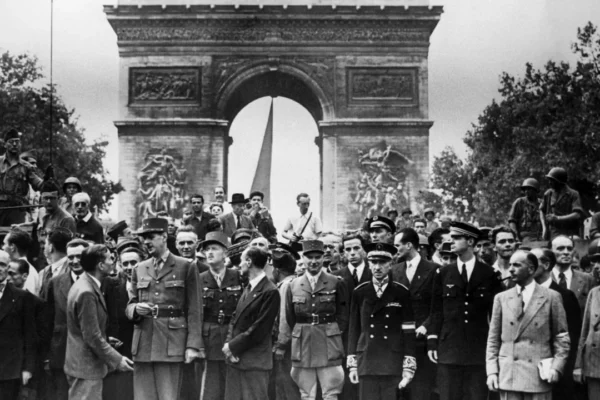
The Liberation of Paris: Contemporary Reports from August 1944

August 5, 2026 | Events | Jerry S. Green

Drawing on dispatches from AP, TIME, UPI, and Ernie Pyle, this article reconstructs the liberation of Paris on August 25, 1944, as it was experienced and reported by the journalists who were there.

Read More →

How to Analyze Political Cartoons as Historical Sources: Satire, Stereotypes, and Social Commentary

August 5, 2026 | Sources | Jerry S. Green

Political cartoons have been vivid primary sources since the 18th century, offering a window into public moods, cultural assumptions, and attitudes toward events. This article explains how contemporaries read them and how historians decode their symbols, stereotypes, and satire today.

Read More →

Everyday Life in the 1920s: A Decade of Transformation

August 5, 2026 | Decades | Jerry S. Green

Drawing on contemporary reports and statistics, this article reconstructs the daily routines, technological marvels, and social tensions that defined American life in the 1920s—from the spread of automobiles and telephones to the rise of flappers and the shadow of Prohibition.

Read More →

The Bazaar and the Iranian Revolution: How Merchants Funded the Uprising

August 5, 2026 | Themes | Jerry S. Green

Drawing on eyewitness accounts and contemporary analyses, this article explores how Iran’s bazaar merchants provided the financial and material backbone of the 1979 revolution, and how their alliance with the clergy shaped the uprising.

Read More →

Posts pagination

← Previous 1 … 13 14 15 16 17 … 49 Next →

About This Site

History Through the Eyes of Those Who Lived It

Recent Articles

  • How Historians Evaluate Conflicting Accounts
  • How Propaganda Should Be Read as a Historical Source
  • How Photographs Become Historical Evidence
  • How to Read Old Letters and Diaries
  • How to Use Historical Newspapers as Primary Sources
  • How Reliable Are Eyewitness Accounts of Historical Events?
  • How Eyewitness Accounts Help Us Understand History
  • Primary Sources vs Secondary Sources: What Is the Difference?
  • How to Read Primary Sources Like a Historian
  • What Is a Primary Source? A Guide to Historical Evidence
  • The Chinese Intervention in the Korean War: Western Press Coverage of the ‘Hordes’ and the Reality
  • The Pan-European Picnic of 1989: The Peaceful Protest That Opened the Iron Curtain
  • Panic on the Pages: How 1893’s Newspapers Chronicled Economic Ruin
  • Life in East Berlin Before the Wall Fell: Letters and Diaries from the 1980s
  • The Postal System in the 19th Century: How Letters Traveled Before Email
  • Home
  • Privacy Policy
  • About Us
  • Contact Us
  • Disclaimer
  • Terms of Service
© 2026 AsTheySawIt.com. All rights reserved. Powered by WordPress