
Short Answer
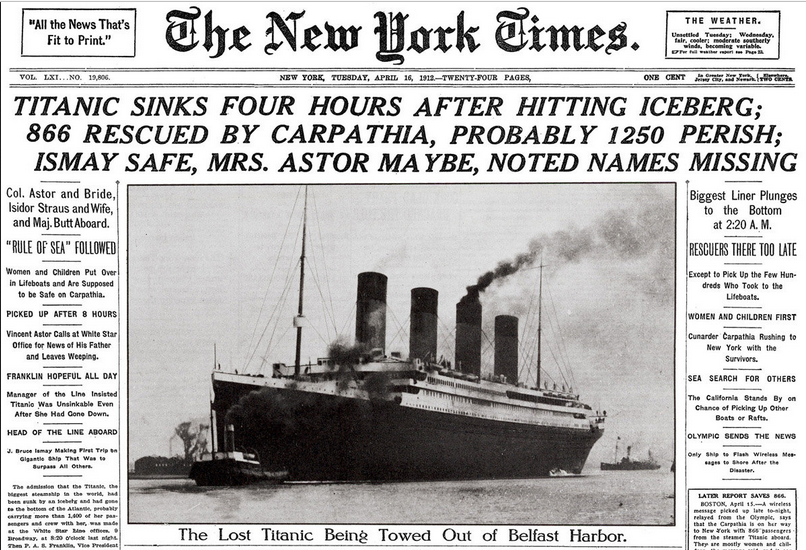
In the autumn of 1605, a printer in Strasbourg, Germany, pulled a sheet of paper from his press and changed the course of human communication. For the first time, a regularly published, printed newspaper was available to the public. Yet this was not the beginning of the story. For centuries, people had hungered for news—of wars, famines, royal marriages, and distant lands—and had satisfied that hunger through word of mouth, handwritten letters, and official proclamations. The arrival of the printed weekly was not a sudden revolution but the culmination of a long evolution in how the world learned about itself.
What Happened?
The history of news dissemination is a story of gradual expansion from the local to the global. Long before the invention of printing, news was gathered and shared through conversation and gossip, civic ceremony, celebration, sermons, and proclamations. In the pre-industrial era, information traveled along random lines of communication, often carried by travelers, merchants, and pilgrims. The desire to be informed was universal, but the means were limited.
The first significant step toward the modern newspaper came in Venice in the mid-16th century. As early as 1566, handwritten news sheets called avvisi circulated widely. These weekly sheets were full of information on wars and politics in Italy and Europe. They were issued on single sheets, folded to form four pages, and reached a larger audience than the handwritten news of ancient Rome. Their format and regular appearance were two huge influences on the newspaper as we know it today.
The idea of a weekly, handwritten newssheet spread from Italy to Germany and then to Holland. In 1605, the first printed newspapers were published weekly in Germany. These early papers typically reported foreign news and current prices, and they were often censored by the government, especially in France. The English government relaxed censorship in 1695, and newspapers flourished in London and a few other cities, including Boston and Philadelphia. By the 1830s, high-speed presses could print thousands of papers cheaply, allowing low daily costs and the rise of the penny press.
How It Was Seen at the Time
Contemporaries understood news as a vital commodity, essential for merchants, politicians, and ordinary citizens alike. The human need for news and communication about news was fulfilled in various ways, beginning with local dissemination by word of mouth. People craved information about events near and far, and the arrival of a newssheet was an event in itself. Governments recognized the power of news and sought to control it through censorship, while readers eagerly consumed whatever they could obtain. The prevailing mood was one of curiosity and caution—curiosity about the wider world, and caution about the reliability of the information they received.
Historical Snapshot
| Aspect | Detail |
|---|---|
| Date | 1566 (handwritten avvisi in Venice); 1605 (first printed weekly in Germany); 1695 (English censorship relaxed); 1830s (high-speed presses) |
| Place | Venice, Germany, Holland, England, American colonies |
| People | Printers, news writers, government censors, merchants, and ordinary readers |
| What Happened | News evolved from oral gossip to handwritten sheets to printed newspapers, expanding from local to worldwide audiences. |
| Why It Mattered | Established the newspaper as a regular, reliable source of information, shaping public opinion and political life. |
What People Knew at the Time
| What People Knew Then | What We Know Now |
|---|---|
| News was often delayed by weeks or months, and reports were frequently incomplete or distorted. | Modern research has reconstructed the full timeline and content of early news sheets, revealing their accuracy and biases. |
| People relied on word of mouth, handwritten letters, and official proclamations for information. | We understand the broader social and political contexts that shaped how news was produced and consumed. |
| Governments censored news to control public opinion, especially in France and other absolutist states. | Historians have documented the extent of censorship and its impact on the development of a free press. |
Contemporary Newspaper Coverage
The earliest newspapers, such as the Venetian avvisi and the German weeklies of the 1600s, focused overwhelmingly on foreign news and current prices. They were written for merchants and political elites, who needed to know about wars, trade routes, and diplomatic developments. The tone was factual and terse, with little commentary. For example, a typical avviso might report a military engagement in the Mediterranean or a change in the price of grain in a distant city. These publications were often censored, so they avoided sensitive domestic topics. The first English newspapers after 1695 were more varied, including local news, crime reports, and advertisements, but they still relied heavily on foreign correspondence.
Timeline
- c. 1566: Handwritten news sheets (avvisi) circulate weekly in Venice.
- 1605: First printed weekly newspapers appear in Germany.
- Mid-1600s: The idea of weekly newssheets spreads to Holland and other European countries.
- 1695: English government relaxes censorship, leading to a flourishing of newspapers in London and the American colonies.
- 1830s: High-speed presses enable cheap, mass-circulation newspapers, such as the penny press in the United States.
How Historians See It Today
Modern historians, such as Andrew Pettegree in The Invention of News, view the development of news as a complex, multi-century process rather than a single invention. Pettegree tracks the history of news in ten countries over four centuries, emphasizing the variety of ways information was transmitted in the premodern world. He argues that the expansion of news media had a profound impact on contemporary events and the lives of an ever-more-informed public. Historians today recognize that the newspaper was not a sudden breakthrough but the product of a long evolution, shaped by technological, political, and social forces.
Common Misconceptions
Newspapers were invented in the 19th century.
The first printed weekly newspapers appeared in Germany in 1605, and handwritten news sheets circulated in Venice as early as 1566.
Before newspapers, people had no access to news.
News was shared through conversation, gossip, civic ceremonies, sermons, and proclamations long before print.
Early newspapers were free and independent.
Most early newspapers were censored by governments and reported mostly foreign news and prices to avoid controversy.
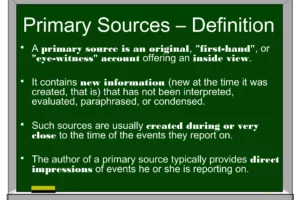
The story of how the world learned the news is a testament to human curiosity and ingenuity. From the whispered rumors of medieval marketplaces to the printed sheets of the 17th century, the desire to know what was happening beyond one’s own horizon drove the creation of the newspaper. The primary sources—the avvisi, the early weeklies, and the records of censorship—reveal not only the mechanics of news distribution but also the hopes, fears, and expectations of people who, like us, wanted to understand their world.
FAQ
When was the first newspaper published?
The first printed weekly newspapers were published in Germany in 1605. However, handwritten news sheets called avvisi circulated in Venice as early as 1566.
How did people get news before newspapers?
Before printed newspapers, news was shared through conversation, gossip, civic ceremonies, sermons, proclamations, and handwritten letters. Travelers, merchants, and pilgrims carried information along trade routes.
Were early newspapers censored?
Yes, many early newspapers were censored by governments, especially in France. They typically reported foreign news and current prices to avoid political controversy.









Leave a Reply