Short Answer
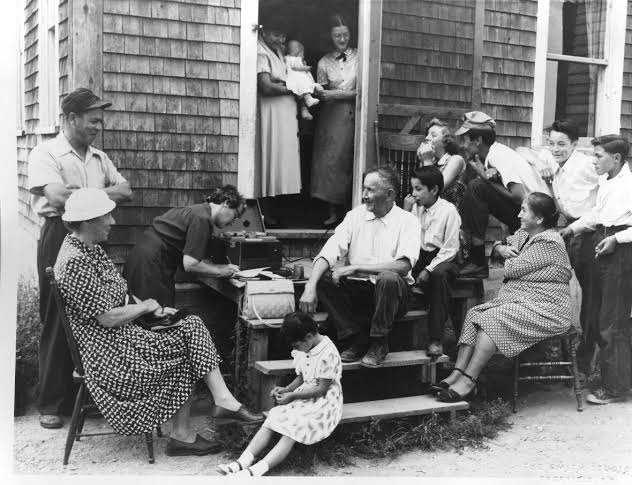
In a quiet living room in a Texas border town, a retired schoolteacher adjusts the microphone on her tape recorder and asks the elderly rancher across from her to recall the day the flood came. He pauses, then begins: “Well, I was only twelve, but I remember the water rose so fast we had to climb onto the roof.” This is the moment oral history lives for—the capture of lived memory, the texture of a past that official records often miss. Oral histories are recorded interviews that preserve people’s memories of events they witnessed or participated in. They are not just stories; they are historical documents, shaped by the interviewer’s questions, the narrator’s point of view, and the fallibility of memory itself. As a historical source, an oral history demands the same rigorous scrutiny as a letter or a newspaper article—but it also offers a unique, deeply human window into the past.
What Happened?
Oral history as a formal practice emerged in the mid-twentieth century, when historians began systematically recording and preserving the memories of people who had lived through significant events. The Library of Congress defines oral history as “the recording and preservation of people’s memories about their participation in or observation of past events” (LOC). The Texas Historical Commission adds that oral history is “the collection and recording of personal memoirs as historical documentation” (THC). It documents “forms of discourse normally not documented” and emphasizes “the significance of human experience.”
The practice grew from a simple observation: the official written record—court minutes, newspapers, government reports—often omitted the voices of ordinary people, particularly women, minorities, and the working class. Oral history aimed to fill that gap. As the Texas Historical Commission states, “The real record of history is found in the lives of ordinary people who lived it.”
Oral history interviews can take many forms: a structured interview, a free-flowing conversation, a formal recording, or a written transcript. They are conducted by historians, journalists, and community members, and they are preserved in archives, libraries, and museums. The process is inherently collaborative: the interviewer asks questions, the narrator tells a story, and the resulting recording or transcript becomes a primary source for future researchers.
How It Was Seen at the Time
When oral history first gained traction, its advocates saw it as a way to democratize history. The Texas Historical Commission proclaimed, “The real record of history is found in the lives of ordinary people who lived it.” The Library of Congress’s teacher guide suggests that oral histories allow students to “encounter this story firsthand” and to “change its emotional impact.” Historians believed that personal recollections could “contradict, enrich, or illuminate details available in the written record,” as the WSU Libraries guide notes.
“Oral history is a particularly important source in researching ethnic history because it presents the insights and recollections of those studied.” — WSU Libraries Digital Collections
At the same time, there was a healthy caution. The same guide warns, “We know that memories are fallible,” and that the interviewer’s relationship with the narrator, the questions asked, and the cultural context all shape the interview. Thus, oral history was seen as both a powerful tool and a delicate one, requiring careful interpretation.
Historical Snapshot
| Aspect | Detail |
|---|---|
| Date | 20th century to present (formal practice) |
| Place | Global, with major collections in the United States, UK, and elsewhere |
| People | Historians, interviewers, narrators (ordinary people), archivists |
| What Happened | Personal memories were recorded and preserved as historical documents |
| Why It Mattered | It gave voice to those excluded from official records and added new perspectives |
What People Knew at the Time
| What People Knew Then | What We Know Now |
|---|---|
| Oral history captures personal experience and can supplement written records. | Oral history is a rich source but must be analyzed with attention to memory, bias, and context. |
| Memories are fallible, but they were often treated as straightforward recollections. | Historians now understand that memory is constructed and shaped by later events, emotions, and social context. |
| The interviewer’s questions were thought to be neutral. | The interviewer’s background, tone, and assumptions can significantly influence the narrator’s responses. |
| Oral history was especially useful for ethnic history and other marginalized groups. | It remains so, but researchers also recognize that oral histories can be shaped by community expectations and silences. |
Different Perspectives
The Narrator’s Perspective
The person telling the story is not a passive source. They choose what to emphasize, what to omit, and how to frame their memories. As the Library of Congress’s guide asks, “What can you tell about the person telling the story, and about that person’s point of view?” The narrator’s identity—age, gender, class, ethnicity—shapes the narrative. The oral history is a self-portrait, not a neutral recording.
The Interviewer’s Perspective
The interviewer also brings a perspective. Their questions determine what is covered, and their relationship with the narrator can affect the tone and depth of the response. The WSU guide notes that “the narrator’s relationship with the interviewer, the interviewer’s questions, the interviewer’s cultural background” all shape the interview. A good interviewer must be aware of their own biases and strive to create a space where the narrator can speak openly.
What the Sources Got Wrong
Oral histories are often criticized for being unreliable. The primary sources themselves acknowledge this: “We know that memories are fallible.” A narrator may misremember dates, places, or the order of events. They may exaggerate their own role or omit painful details. The Texas Historical Commission notes that “oral history is normally not the best method for obtaining factual data, such as specific dates, places or times, because people rarely remember such detail accurately.”
Moreover, the interviewer’s questions can inadvertently lead the narrator. The Library of Congress’s guide encourages students to ask “What do you think was happening when it was recorded?”—which suggests that the context of the interview matters. An interview conducted years after an event may be filtered through nostalgia or later information. Therefore, historians must cross-check oral histories against written records, other interviews, and physical evidence.
How Historians See It Today
Modern historians treat oral history as a valuable but complex source. They do not take every statement at face value. Instead, they use oral histories to understand how people experienced and remembered events, not just what happened. The Library of Congress’s guide encourages students to “generate and test hypotheses” about the purpose of the oral history, the narrator’s point of view, and the significance of the story. Historians now recognize that oral history is as much about memory and identity as it is about facts. It is a window into the past, but a window that is often tinted by the present.
Contemporary Terminology
Oral history has its own vocabulary. The “narrator” is the person who tells the story, while the “interviewer” asks the questions. A “transcript” is the written record of the interview, often edited for clarity. The “recording” is the original audio or video. “Oral history” itself refers to both the practice and the resulting document. In the field, “memory” is not a simple recall but a construction shaped by the present. Understanding these terms is essential to analyzing oral histories.
Key Documents
- Teacher’s Guide: Analyzing Oral Histories (Library of Congress) – A practical guide with sample questions for students to observe and reflect on oral history sources.
- Interpreting Oral History Documents (Washington State University Libraries) – An overview of oral history as a source, including strengths and interpretive challenges.
- Making Sense of Oral History (TeachingHistory.org) – A guide by Linda Shopes for working with oral history interviews as historical evidence.
- Oral History Guidelines (Texas Historical Commission) – A comprehensive guide on the fundamentals of oral history, including its advantages and limitations.
How Historians See It Today
In the twenty-first century, historians treat oral histories as a vital, but not sufficient, source. They combine them with written records, photographs, and other materials to build a fuller picture. The Library of Congress’s guide emphasizes that oral histories can be “more personal or historical” and that encountering the story firsthand changes its emotional impact. Historians now also analyze the silences—what the narrator does not say—as well as what they say. This has led to a more nuanced understanding of memory, identity, and the past.
Common Misconceptions
Related Primary Sources
- Library of Congress: Analyzing Oral Histories
- WSU Libraries: Interpreting Oral History Documents
- TeachingHistory.org: Making Sense of Oral History
- Texas Historical Commission: Oral History Guidelines
FAQ
What is the main advantage of using oral histories as historical sources?
Oral histories provide insights and recollections from people who may have been excluded from official documents, especially ordinary individuals and marginalized groups. They offer a personal, emotional perspective on past events, as noted by the Library of Congress and the Texas Historical Commission.
How can historians ensure the reliability of oral history interviews?
Historians must cross-check oral histories against written records, other interviews, and physical evidence. They also need to consider the interviewer's influence, the narrator's memory, and the context of the recording. The WSU guide emphasizes that memories are fallible and that the narrator's relationship with the interviewer shapes the account.




Leave a Reply