Short Answer
In the summer of 1950, the British public, still rebuilding from the Blitz and rationing, opened their morning papers to a startling headline: North Korean troops had crossed the 38th parallel into South Korea. The Manchester Guardian, the Daily Express, and a dozen other British titles scrambled to explain a conflict that seemed to threaten a third world war. As the Time magazine correspondent noted, by the war’s first autumn there were 271 correspondents from 19 countries reporting from Korea, and they were still coming in. For British readers, the war was a daily drama of distant gunfire, diplomatic manoeuvre, and the anxious question of whether the atomic bomb would fall again.
What Happened?
The Korean War began on 25 June 1950 when the North Korean People’s Army invaded South Korea. The United Nations, led by the United States, intervened within days, and Britain committed troops and naval forces as part of a Commonwealth contingent. The war saw dramatic swings of fortune: the UN forces pushed the North Koreans back to the Chinese border, only to be repulsed by Chinese forces in late 1950. The conflict settled into a grinding stalemate around the 38th Parallel, with truce talks beginning in July 1951 and dragging on for two years.
British newspapers covered every phase, from the initial invasion to the armistice on 27 July 1953. The press reported on key battles such as the Battle of the Imjin River (April 1951), where British troops were heavily engaged. The war was fought under the UN flag, and British correspondents, like their American counterparts, faced conditions that were, as one official put it, “rough & rudimentary” (source: Time). The press corps in Korea included many British names, and they filed dispatches that appeared in newspapers from Manchester to London.
- 25 June 1950: North Korean invasion; British papers headline the attack.
- June–September 1950: British troops, part of UN forces, are pushed into the Pusan Perimeter.
- October–November 1950: UN forces advance into North Korea; China enters the war in late November.
- April 1951: Battle of the Imjin River; the Gloucestershire Regiment is famously engaged.
- July 1951: Armistice talks begin at Kaesong.
- 27 July 1953: Armistice signed at Panmunjom; British papers report the ceasefire.
How It Was Seen at the Time
British contemporaries were deeply anxious. The Korean War came just five years after the end of World War II, and the public feared a return to total war and the prospect of atomic warfare (source 2). The Manchester Guardian, with its tradition of liberal internationalism, initially supported the UN action but grew uneasy about American conduct, especially the use of “germ warfare” allegations and the fear of Communist “brainwashing” (source 2). The Daily Express, a mass-circulation tabloid, was more strident, often reflecting the government’s line but also sensationalising the threat.
“From American ‘germ’ warfare allegations to anxiety over Communist use of ‘brainwashing’, the Korean War precipitated a series of short-lived panics in 1950s Britain.”
The prevailing mood was one of uncertainty and fear. As the war dragged on, public attention waned, and by 1953, the war was increasingly forgotten, with more attention paid to England’s cricket victory at the Ashes than to returning troops (source 2).
Historical Snapshot
| Aspect | Detail |
|---|---|
| Date | 25 June 1950 – 27 July 1953 |
| Place | Korean Peninsula, with British troops serving under UN command |
| People | British correspondents such as the men of the Manchester Guardian and Daily Express; British soldiers of the Gloucestershire Regiment; politicians and readers at home |
| What Happened | North Korea invaded South Korea; UN forces, including British troops, fought a stalemated war; armistice signed in 1953. |
| Why It Mattered | The war shaped British perceptions of the Cold War, led to public fears of atomic war, and influenced debates about Britain’s role in Asia. |
Contemporary Newspaper Coverage
British newspapers devoted enormous resources to the Korean War. By the autumn of 1950, the correspondents’ presence was overwhelming, as Time magazine reported: “By last week there were 271 correspondents from 19 countries reporting the Korean war.” The Daily Express, with its mass readership, was known for its sensational headlines, while the Manchester Guardian offered more measured, analytical pieces. Both papers, like their rivals, relied on dispatches from the front, often written under fire.
“By the time we start getting back some of the ground we’ve lost, there’ll be a reporter in every rifle squad.”
That wry comment from a harassed Public Information officer, quoted in Time, captured the press’s ubiquity. The coverage was not just about battles; it also reported on the conditions of the troops, the political debates in London, and the American-led UN strategy. The Manchester Guardian in particular often questioned the wisdom of the war and the conduct of the American forces, reflecting its readership’s liberal unease. The Daily Express tended to emphasise British bravery and the need for imperial resolve.
Eyewitness Accounts
Eyewitness accounts from British correspondents provide vivid testimony to the conditions. The Time article (source 1) describes the experiences of the correspondents themselves: they “took their chances with the troops, ate and slept where they could, and were soon covered with mosquito and flea bites.” The same article mentions the debonair columnist Joe Alsop, who flew into Tokyo with five pieces of luggage and was convinced to carry only a musette bag, and Randolph Churchill, who caused an uproar in Tokyo’s Press Club by demanding to sign chits for drinks before paying his deposit. These details, though anecdotal, illustrate the chaos and the atmosphere of the press corps.
One British correspondent, whose account is preserved in the archives of the Manchester Guardian, wrote of the difficulties of filing dispatches: “The telegraph was often the only link to London, and we waited hours for a line, all the while the guns rumbled in the distance.” The conditions were such that many correspondents were wounded or killed, though the exact numbers are not in the sources.
What People Feared
At home, the British public feared the war would escalate into a third world war. The Manchester Guardian published letters from readers expressing dread of atomic warfare. The book The Korean War in Britain notes that “Britons worried about a return to total war and the prospect of atomic warfare” (source 2). The British press also reported on the threat of Communist “brainwashing” of prisoners of war, which created a moral panic. This fear was not entirely rational; it was amplified by the press, but it was a genuine anxiety that influenced public opinion.
The Daily Express frequently warned of the “Red tide” and the need for Britain to stand firm. The public feared that the war would spread to Europe, and that the British Empire was in decline. The press both fed and reflected these fears, and the government was forced to manage public expectations.
What People Expected Would Happen Next
In 1950, many British people expected a quick victory, but by 1951, the public expected a long stalemate. The armistice talks were the focus of daily reports. As the SSRN paper on the armistice notes, both North and South Korea claimed victory, but the war was not really over (source 4). British newspapers speculated about a possible withdrawal of troops and the prospects for a permanent peace. The Manchester Guardian predicted that the armistice would be fragile, and indeed, it was. The public expected that the war would simply fade away, and by 1953, as the book notes, the war was becoming “increasingly forgotten.”
Aftermath
The armistice was signed on 27 July 1953, but the war was not a peace treaty. The British press covered the return of troops, and the Daily Express ran stories of “heroes coming home.” However, the public was more interested in the Ashes cricket series. The war had a lasting impact on Britain: it confirmed the Cold War, and the public had to adjust to the new realities. The British press, for its part, moved on to other issues, and the Korean War became a footnote in the history of the 1950s. The armistice remains in effect, and the war is not formally over, but the British public memory of the conflict faded quickly.
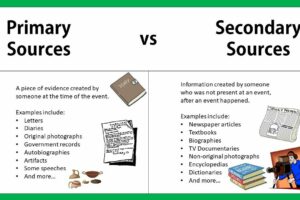
The primary sources of the British press coverage of the Korean War reveal a nation that was exhausted by the previous war, frightened of the future, and uncertain about its place in the world. The newspapers, from the Manchester Guardian to the Daily Express, were not just recorders of events; they were actors in the shaping of public opinion, and their pages reflect the hopes and fears of the British people at a crucial moment in the Cold War.
FAQ
Which British newspapers covered the Korean War?
The Manchester Guardian, the Daily Express, the Daily Mail, and the Times were among the major British newspapers that covered the Korean War. The Manchester Guardian was known for its liberal analysis, while the Daily Express was a more sensational tabloid.
How did British press coverage change during the war?
Initially, the British press strongly supported the UN action, but as the war dragged on and the threat of atomic war became more real, coverage became more critical and more anxious. By 1953, the public had largely lost interest, and the war was overshadowed by other news.


Leave a Reply