
Short Answer
Quick Snapshot
1947 was a year of cataclysmic change for the Indian subcontinent. After nearly two centuries of British rule, India finally achieved independence on August 15, 1947, but at a terrible cost. The partition of British India into two dominions—India and Pakistan—triggered one of the largest mass migrations in history and unleashed communal violence that claimed hundreds of thousands of lives. The year marked the end of the British Raj and the beginning of a new era for over 400 million people.
The year also saw the rise of new leadership, with Jawaharlal Nehru becoming the first Prime Minister of the Dominion of India, and Muhammad Ali Jinnah leading Pakistan. The Indian Independence Act, passed by the British Parliament on July 18, 1947, legally established the two new nations. Amidst the chaos of partition, the dreams of freedom were tempered by the grim realities of displacement and bloodshed.
India in 1947
India in 1947 was a vast and diverse land, stretching from the snow-capped Himalayas in the north to the tropical coasts of the south. The climate was dominated by the monsoon, which brought life-giving rains to farmers but also devastating floods. The atmosphere was charged with anticipation and anxiety as the country stood on the brink of independence and partition. The British Raj, which had ruled India for nearly two centuries, was coming to an end, and the future was uncertain.
Geographically, India encompassed a wide range of terrains: the fertile Gangetic plain, the arid deserts of Rajasthan, the Deccan plateau, and the lush green coasts of Kerala and Bengal. The country was a mosaic of languages, religions, and cultures, with Hindi, Bengali, Tamil, and Urdu among the many tongues spoken. The partition would tear this mosaic apart, creating new borders that divided families and communities.
Population & Economy
The population of British India was approximately 400 million, according to contemporary reports from the New York Times. The economy was predominantly agrarian, with over 70% of the population engaged in farming. Major crops included wheat, rice, cotton, and jute. The industrial sector was small but growing, with textile mills in Bombay and Ahmedabad, jute mills in Bengal, and the Tata Iron and Steel Company in Jamshedpur. The cost of living varied widely; a typical urban worker might spend a few annas on a meal, but poverty was widespread, and famine remained a recurring threat.
The partition disrupted economic life severely. The division of the Punjab and Bengal provinces cut off agricultural and industrial resources from their markets. The Indian Civil Service, railways, and treasury were divided between the two new dominions, leading to administrative chaos. Millions of refugees abandoned their homes, leaving behind fields and businesses, which further destabilized the economy.
Government & Politics
The political landscape was dominated by the Indian National Congress, led by Jawaharlal Nehru, and the All India Muslim League, led by Muhammad Ali Jinnah. The British Viceroy, Lord Mountbatten, oversaw the transition to independence. The Indian Independence Act of 1947, passed by the British Parliament on July 18, established two independent dominions: India and Pakistan. Both remained under the British Crown as dominions, with King George VI as their sovereign, until they adopted their own constitutions—India in 1950 and Pakistan in 1956.
Lord Mountbatten served as Governor-General of the Dominion of India from August 16, 1947, while Jinnah became Governor-General of Pakistan. Nehru took office as Prime Minister of India, delivering his famous ‘Tryst with Destiny’ speech on August 15. The political climate was tense, with communal violence between Hindus, Muslims, and Sikhs escalating in the months before and after independence.
Industry
India’s industrial base in 1947 was modest but significant. The cotton textile industry, centered in Bombay and Ahmedabad, was the largest, employing hundreds of thousands of workers. Jute mills in Bengal produced nearly all of the world’s jute, but the partition placed the mills in India while the jute-growing areas went to Pakistan, creating immediate economic dislocation. The Tata Iron and Steel Company in Jamshedpur was a symbol of Indian industrial ambition. Coal mining in Bihar and Bengal fueled the railways and factories.
The partition divided industrial assets between India and Pakistan, with the Radcliffe Line cutting through factories and mills. Many industrialists lost their plants, and the new governments struggled to manage the transition. Despite the chaos, the foundation for future industrial growth was laid in these years.
Education
Literacy in India in 1947 was extremely low—around 12% for the entire population. Education was largely the preserve of urban elites and the upper castes. The major universities—Calcutta, Bombay, Madras, and Lahore—were centers of learning, but they served a tiny fraction of the population. The new governments made education a priority, but the immediate challenges of partition and refugee resettlement overshadowed educational reform.
Schools and colleges were disrupted by the violence and migration. Many teachers and students were displaced, and institutions in divided provinces lost their buildings and resources. The Indian government, led by Nehru, began to plan for universal primary education, but progress was slow in the aftermath of partition.
Transportation
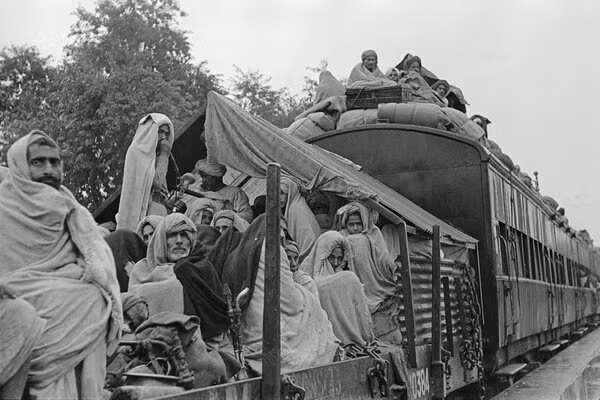
The British Indian Railways was one of the largest railway networks in the world, with over 40,000 miles of track. It was the lifeline of the subcontinent, moving people, goods, and troops. The partition divided the railway system between India and Pakistan, cutting lines and disrupting services. Trains became vehicles of both hope and horror—they carried refugees to safety but also became targets of communal violence. The famous ‘refugee trains’ were packed with people fleeing their homes.
Roads were less developed, and bullock carts, bicycles, and horse-drawn carriages were common modes of local transport. Ports like Bombay, Calcutta, and Karachi handled overseas trade. The partition also divided the Royal Indian Navy and the Indian Civil Service, complicating the movement of officials and resources.
Everyday Life
Daily life in India in 1947 varied dramatically between urban and rural areas. In cities like Bombay, Delhi, and Calcutta, people wore Western-style clothing or traditional attire—saris for women, dhotis and kurta for men. Food was regionally diverse, with rice in the east, wheat in the north, and lentils and vegetables everywhere. Housing ranged from colonial bungalows for the wealthy to crowded tenements and slums for the poor.
Social customs were deeply rooted in religion and caste. Family life was central, with extended families often living together. The communal violence of 1947 shattered this fabric. Millions of Hindus, Muslims, and Sikhs were forced to flee their homes, and many lost family members. The trauma of partition would shape Indian society for generations.
Major Events
The most significant event of 1947 was the independence of India and Pakistan on August 15 (for India) and August 14 (for Pakistan). The partition was formalized by the Radcliffe Line, announced on August 17. The year also witnessed the Rawalpindi Massacres in March, the Jammu Massacres, and widespread communal violence across Punjab and Bengal. The British Prime Minister Clement Attlee announced on February 20 that Britain would leave India by 1948, accelerating the timeline.
The Indian Independence Act was passed on July 18, and the new dominions came into existence at midnight on August 14–15. The celebrations were marred by the ongoing violence and the massive refugee crisis. By the end of the year, an estimated 10 to 15 million people had been displaced, and hundreds of thousands had died.
What Newspapers Were Reporting
Newspapers around the world covered the dramatic events in India. The New York Times headline on August 15, 1947, read: ‘INDIA AND PAKISTAN BECOME NATIONS; CLASHES CONTINUE; Ceremonies at New Delhi and Karachi Mark Independence for 400,000,000 Persons.’ The article reported Nehru’s acclamation of Gandhi but warned of ‘trials ahead.’ Indian newspapers like The Times of India and The Hindu covered the independence ceremonies, the partition, and the violence in detail. Headlines spoke of ‘The Great Divide’ and the ‘Refugee Crisis.’
Local newspapers in Punjab and Bengal reported on the massacres and the desperate flight of refugees. The press played a crucial role in documenting the events, though censorship and communal bias sometimes colored reporting. The photographs of Margaret Bourke-White, published in Life magazine, brought the horrors of partition to a global audience.
What People Were Talking About
In letters, diaries, and personal accounts, Indians expressed a mix of hope and despair. Many celebrated the end of British rule, but the joy was overshadowed by the violence and displacement. People discussed the future of the new nations, the fate of refugees, and the responsibility of leaders. There were rumors of further violence and fears of civil war. Gandhi’s efforts to quell the communal madness were a topic of conversation, as were the decisions of Nehru and Jinnah.
Ordinary people talked about the practicalities of survival—finding food, shelter, and safety. The partition forced many to reconsider their identities and loyalties. Some expressed bitterness at the British for leaving so abruptly, while others blamed the political leaders for the tragedy. The conversations of 1947 reflected a society in profound transition.
Historical Photographs
The visual record of India in 1947 is rich and powerful. Iconic photographs show Nehru raising the Indian flag at the Red Fort in Delhi on August 15, 1947. Margaret Bourke-White captured images of Gandhi with refugees, and of the long caravans of people walking across the new borders. Photos of the ‘refugee trains’ and the camps that housed millions are haunting. The photographs show the chaos, the sorrow, and the hope of the time.
Other images include Lord Mountbatten with Nehru and Jinnah during the partition negotiations, and the celebrations in Karachi and Delhi. These photographs are preserved in archives such as the Getty Images and the British Library. They serve as a crucial primary source for understanding the emotional impact of the events.
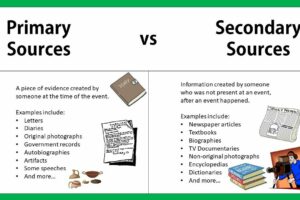
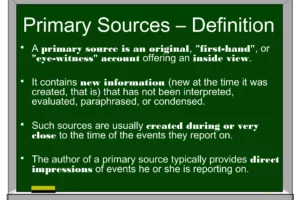
Documents & Primary Sources
Key primary sources for studying India in 1947 include the Indian Independence Act of 1947, which is the legal document that established the two dominions. The Radcliffe Award, which delineated the borders, is also essential. Census records from 1941 provide demographic data, though the 1951 census would later capture the effects of partition. Personal letters and diaries, such as those of Lord Mountbatten and Jawaharlal Nehru, offer insight into the decision-making process.
Newspaper archives, including The Times of India and The New York Times, provide contemporary accounts. The oral histories of survivors, collected by organizations like the Partition Archive, are invaluable. Government records from the British India Office and the new governments of India and Pakistan document the administrative challenges. These sources are held in archives such as the National Archives of India, the British Library, and university collections.
1947 Timeline
| Date | Event |
|---|---|
| February 20 | British Prime Minister Clement Attlee announces that Britain will leave India by June 1948. |
| March 1 | Lord Mountbatten finalizes the partition plan; Boundary Commission under Sir Radcliffe is set up. |
| July 18 | Indian Independence Act is passed by the British Parliament. |
| August 14 | Dominion of Pakistan comes into existence. |
| August 15 | Dominion of India gains independence; Nehru delivers ‘Tryst with Destiny’ speech. |
| August 16 | Lord Mountbatten becomes Governor-General of India. |
| August 17 | Radcliffe Line is announced, defining the borders between India and Pakistan. |
| September-December | Mass migrations and communal violence continue; refugee camps are established. |
What Changed Next
The events of 1947 had profound long-term consequences. India adopted its own constitution on January 26, 1950, becoming a sovereign, democratic republic. Pakistan adopted its constitution in 1956, becoming an Islamic republic. The partition led to a legacy of conflict between India and Pakistan, including wars over Kashmir in 1947–48 and later. The refugee crisis reshaped demographics and politics in both countries.
The trauma of partition influenced Indian and Pakistani society for decades, with communal tensions persisting. The year 1947 also marked the beginning of India’s journey as an independent nation, with Nehru’s vision of a modern, secular state. The challenges of the year laid the groundwork for future development, but also for enduring conflicts.
FAQ
What was the population of India in 1947?
The population of British India was approximately 400 million, according to contemporary reports.
What major events happened in India in 1947?
The most significant events were India's independence on August 15, 1947, and the partition of British India into India and Pakistan, which led to mass migrations and communal violence.
What primary sources are available for studying India in 1947?
Key primary sources include the Indian Independence Act, the Radcliffe Award, census records, personal letters and diaries, newspaper archives, and oral histories from survivors. They can be found in the National Archives of India, the British Library, and university collections.
How did daily life in India in 1947 differ from today?
Daily life was vastly different: most people lived in rural areas and depended on agriculture, transportation was dominated by railways and bullock carts, and technology like telephones and electricity was limited to urban areas. The social fabric was deeply divided by religion and caste, and the trauma of partition affected every aspect of life.
Leave a Reply