
Short Answer
Quick Snapshot
In 1962, Tanganyika stood on the threshold of a new era. Having gained independence from British colonial rule on 9 December 1961, the nation spent its first full year as a sovereign state navigating the complex path toward becoming a republic. The year was defined by two monumental political events: the passage of the Constituent Assembly Act in October, which empowered the National Assembly to draft a new constitution, and the presidential election on 1 November, in which Julius Nyerere won a resounding mandate with 98.15% of the vote. On 9 December 1962, exactly one year after independence, Tanganyika formally shed its status as a constitutional monarchy and became a republic within the Commonwealth, with Nyerere as its first president.
The atmosphere was one of optimism and national purpose. The country’s leaders, drawn largely from the Tanganyika African National Union (TANU), sought to build a unified nation from more than 120 ethnic groups. The transition to a republic was not merely a constitutional formality; it symbolized the rejection of colonial-era structures and the assertion of African self-rule. For ordinary citizens, the year brought a sense of pride and anticipation, even as the challenges of economic development and nation-building loomed large.
Tanganyika in 1962
Tanganyika, a vast territory in East Africa, covered approximately 945,000 square kilometers, stretching from the Indian Ocean coast to the great lakes of the interior. The landscape ranged from tropical beaches and coastal plains to the central plateau and the highlands of the north and south. The climate was predominantly tropical, with a long rainy season from March to May and a shorter one from November to December. In 1962, the country experienced a typical weather pattern, with heavy rains in the early part of the year supporting the agricultural cycle that sustained most of the population.
The capital, Dar es Salaam, was a bustling port city of about 200,000 residents, serving as the commercial and administrative hub. Other significant towns included Tanga, Arusha, Mwanza, and Tabora, each connected by a network of roads and railways that had been developed during the colonial period. The overall atmosphere was one of cautious hope; the government, led by Prime Minister Nyerere, was focused on consolidating independence and laying the groundwork for development. The country’s flag, a green, yellow, and black tricolor, had been adopted at independence, and the national anthem, composed by a local musician, was sung with pride at public gatherings.
Population & Economy
The population of Tanganyika in 1962 was estimated at approximately 9 million people, the vast majority of whom lived in rural areas and depended on subsistence agriculture. The country was ethnically diverse, with over 120 distinct groups, including the Sukuma, Nyamwezi, Chagga, and Hehe. The economy was primarily agrarian, with cash crops such as sisal, coffee, cotton, and tea dominating exports. Sisal, in particular, was a major earner, with Tanganyika being one of the world’s largest producers. The mining sector, though smaller, contributed through diamonds and gold.
Employment was concentrated in agriculture, with many Africans working on European-owned plantations or as smallholder farmers. The urban workforce was limited, with jobs in government, trade, and services. The cost of living was relatively low compared to European standards; a basic meal could be purchased for a few cents, and housing in rural areas was often constructed from local materials. However, wages were also low, and many families relied on subsistence farming to supplement their income. The government, under Nyerere, began to implement policies aimed at rural development and the improvement of living standards, but the effects were only beginning to be felt in 1962.
Government & Politics
At the start of 1962, Tanganyika was a constitutional monarchy with Queen Elizabeth II as head of state, represented by a Governor-General, Sir Richard Turnbull. The real political power lay with the Prime Minister, Julius Nyerere, and his TANU party, which had dominated the pre-independence elections. The year’s major political development was the move toward a republic. On 4 October 1962, the Parliament of Tanganyika passed the Constituent Assembly Act, which allowed the National Assembly to resolve itself into a Constituent Assembly for the purpose of enacting a new constitution. The act stated: “The National Assembly may resolve itself from time to time into and constitute a Constituent Assembly for the enactment of provisions for the establishment of a Republic and for a Constitution therefor.”
The Constituent Assembly met in November and, on 23 November 1962, passed the new constitution, which was assented to on 9 December 1962. In the meantime, a presidential election was held on 1 November 1962. Julius Nyerere, running as the TANU candidate, faced Zuberi Mtemvu of the African National Congress. Nyerere won with 1,127,987 votes (98.15%) against Mtemvu’s 21,276 votes (1.85%). This overwhelming victory confirmed Nyerere’s personal popularity and the dominance of TANU. On 9 December, Tanganyika became a republic, with Nyerere as president, and the country remained within the Commonwealth. The new constitution replaced the monarchy with a presidential system, and the office of Governor-General was abolished.
Industry
Tanganyika’s industrial base in 1962 was modest but growing. The most significant industries were tied to agriculture. Sisal estates, primarily located in the Tanga region, employed thousands of workers and produced fiber for export. Coffee, grown on the slopes of Mount Kilimanjaro and in the southern highlands, was another major commodity. Cotton ginneries operated in the Lake Zone, and tea processing plants were established in the northeast. The country also had a small manufacturing sector, including textile mills, food processing plants, and a cement factory in Dar es Salaam.
Mining was an important secondary industry. The Williamson Diamond Mine at Mwadui, one of the world’s largest diamond mines, was a significant source of revenue. Gold mining, though smaller, also contributed. The government encouraged investment in infrastructure and industry, but the economy remained heavily dependent on agriculture. The port of Dar es Salaam served as the main gateway for exports and imports, handling cargo such as sisal, coffee, and manufactured goods.
Education
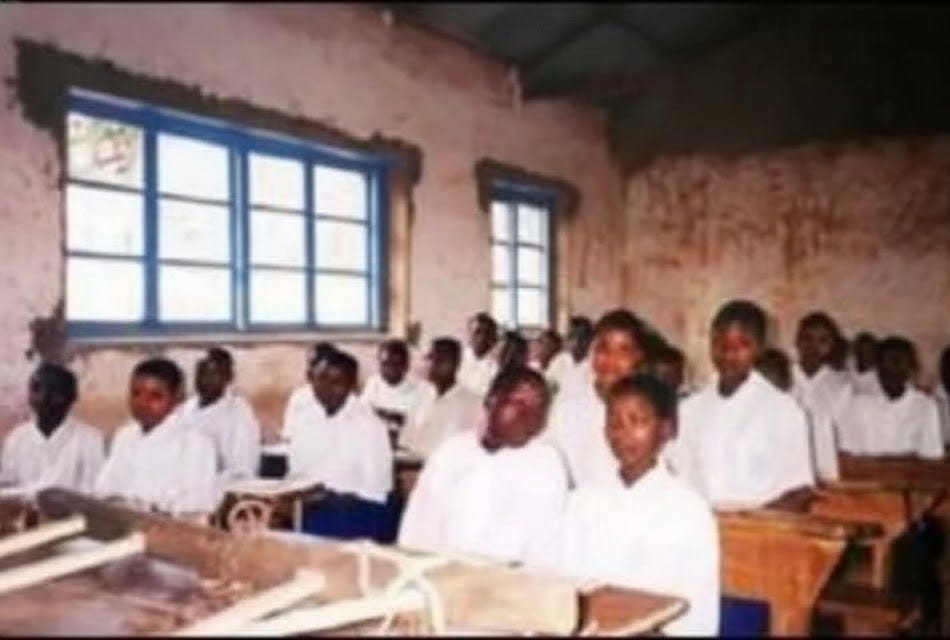
Education in Tanganyika in 1962 was a priority for the new government, which saw it as essential for nation-building and development. The literacy rate was low, estimated at around 10-15% for the African population, with significant disparities between regions and genders. The colonial education system had provided limited schooling for Africans, focusing on primary education and vocational training. In 1961, the University College of Dar es Salaam had been established as a constituent college of the University of East Africa, and in 1962 it began to expand its programs. The government also launched campaigns to increase primary school enrollment, building new schools and training teachers.
Secondary education was limited, with only a few government and mission schools offering places. The curriculum emphasized English, mathematics, and practical subjects. Teacher training colleges were established to address the shortage of qualified educators. The government’s commitment to education was reflected in the 1962 budget, which allocated a significant portion to education and health. However, the expansion was gradual, and many children still did not attend school, particularly in rural areas.
Transportation
Transportation in Tanganyika in 1962 relied on a combination of railways, roads, and maritime routes. The central railway line connected Dar es Salaam to Kigoma on Lake Tanganyika, passing through Morogoro, Dodoma, and Tabora. A second line, the Tanga Line, linked the northern port of Tanga to Arusha and Moshi. These railways were essential for moving agricultural produce to the coast for export. The road network was less developed, with only a few paved highways, primarily around Dar es Salaam and between major towns. Most rural roads were unpaved and often impassable during the rainy season.
The port of Dar es Salaam was the country’s main maritime gateway, handling ocean-going vessels and providing connections to other East African ports and beyond. Lake steamers operated on Lake Victoria and Lake Tanganyika, providing transport for passengers and goods. Buses and trucks were the primary means of road transport, while bicycles and walking were common for local travel. The government recognized the need for improved infrastructure and began planning road construction projects, but progress was slow due to limited funds.
Everyday Life
Daily life in Tanganyika in 1962 varied greatly between urban and rural areas. In rural villages, most people lived in houses made of mud bricks or wattle-and-daub, with thatched or corrugated iron roofs. The staple foods were maize, rice, cassava, and plantains, often accompanied by beans, vegetables, and, when available, fish or meat. Clothing was typically simple: men wore shorts and shirts, while women wore colorful kangas or wraps. In urban centers like Dar es Salaam, a small middle class enjoyed more modern amenities, including electricity, running water, and imported goods.
Social life revolved around family, community, and religious gatherings. Traditional ceremonies, such as weddings and funerals, were important events. Music and dance played a central role, with drumming and singing at celebrations. Football (soccer) was a popular sport, with local teams competing in leagues. The radio was a growing source of news and entertainment, with broadcasts in Swahili and English. The government, through TANU, encouraged a sense of national identity, promoting Swahili as a unifying language and organizing national events such as Independence Day celebrations on 9 December.
Major Events
The most significant events of 1962 in Tanganyika were the constitutional and political changes. On 4 October, the Constituent Assembly Act was passed, enabling the creation of a new constitution. The presidential election on 1 November saw Julius Nyerere elected with a landslide majority. On 23 November, the Constituent Assembly adopted the republican constitution, and on 9 December, Tanganyika officially became a republic, with Nyerere sworn in as president. This transition was accompanied by celebrations and a sense of national achievement.
Other notable events included the continued implementation of the government’s development plans, the expansion of education and health services, and the hosting of international visitors. The country also participated in regional affairs, including discussions on East African cooperation. The year ended with the country firmly established as a republic, setting the stage for further political and social reforms.
What Newspapers Were Reporting
Newspapers in Tanganyika in 1962, such as The Tanganyika Standard and The Nationalist, covered the political transition extensively. Headlines in October reported the passage of the Constituent Assembly Act, with articles explaining the process of drafting a new constitution. The presidential election dominated November, with papers publishing results and analyzing Nyerere’s overwhelming victory. On 9 December, front pages celebrated the birth of the republic, with photographs of Nyerere taking the oath of office. Editorials praised the peaceful transition and looked forward to a new era of development. Reports also covered local news, including agricultural issues, education initiatives, and social events.
One article quoted Nyerere as saying, “The republic is not a change of name, but a change of heart. We are now masters of our own destiny.” Newspapers also reported on the activities of the Constituent Assembly, including debates over the powers of the president and the structure of the government. The press played a crucial role in informing the public and fostering a sense of national unity.
What People Were Talking About
In conversations across the country, the transition to a republic was a dominant topic. Many people expressed pride in having their own president and a constitution that reflected African values. There was also discussion about the role of the traditional chiefs, who had been incorporated into the new system. Some worried about the concentration of power in the presidency, but most trusted Nyerere’s leadership. The election results were a source of discussion, with many marveling at the near-unanimous support for Nyerere.
Rural communities talked about the government’s promises of development, including new schools, health centers, and water supplies. There was optimism about the future, but also concerns about economic challenges and the need for unity among different ethnic groups. Letters and diaries from the period, where they exist, reflect a sense of hope and determination. One farmer wrote, “We have our own government now. We must work hard to make our country prosperous.”
Historical Photographs
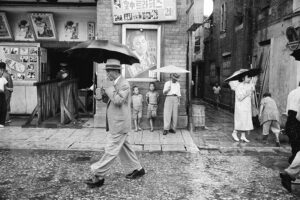
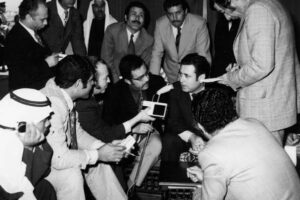
Photographs from 1962 capture the key moments of the year. Black-and-white images show Julius Nyerere addressing crowds during his election campaign, often wearing his trademark khaki suit and cap. Photographs of the Constituent Assembly sessions depict delegates in formal attire, deliberating over the constitution. The most iconic images are from 9 December 1962, when Nyerere took the oath of office as president, with the Governor-General’s residence as a backdrop. Other photographs document everyday life: market scenes in Dar es Salaam, farmers working in sisal fields, children in school uniforms, and traditional dancers at independence celebrations. These photographs are preserved in the national archives and provide a visual record of the nation’s transition.
Documents & Primary Sources
Historians studying Tanganyika in 1962 rely on a variety of primary sources. The Constituent Assembly Act, 1962 (No. 66 of 1962) is a key legal document, outlining the establishment of the Constituent Assembly. The Tanganyika Republic Act, 1962 (UK) made provision for the operation of existing law upon Tanganyika becoming a republic. The new constitution itself, passed on 23 November and assented to on 9 December, is a fundamental source. Election returns from the presidential election, including the official results, are available in government records. Newspapers from the period, such as The Tanganyika Standard, provide contemporary accounts. Additionally, the personal papers of Julius Nyerere and other TANU leaders, housed in the Tanzania National Archives, offer insights into decision-making. The Tanganyika Gazette published official notices and legal texts, including the constitution.
1962 Timeline
| Date | Event |
|---|---|
| 4 October | Constituent Assembly Act passed by Parliament |
| 1 November | Presidential election held; Julius Nyerere wins with 98.15% |
| 23 November | Constituent Assembly adopts the republican constitution |
| 9 December | Tanganyika becomes a republic; Nyerere sworn in as president |
What Changed Next
The transition to a republic in 1962 set the stage for further political consolidation under Nyerere. In 1963, Tanganyika became a one-party state, with TANU as the sole legal party. In 1964, the country merged with Zanzibar to form the United Republic of Tanzania, with Nyerere as president. The republican constitution of 1962 laid the foundation for the Arusha Declaration of 1967, which embraced African socialism and self-reliance. The events of 1962 thus marked a crucial turning point in the nation’s history, shaping its political trajectory for decades to come.
FAQ
What was the population of Tanganyika in 1962?
The population was estimated at approximately 9 million people, mostly rural and agrarian.
What major events happened in Tanganyika in 1962?
The Constituent Assembly Act was passed in October, the presidential election was held on 1 November (Nyerere won), and the republic was proclaimed on 9 December.
What primary sources are available for studying Tanganyika in 1962?
Key sources include the Constituent Assembly Act, the Tanganyika Republic Act, the new constitution, election returns, newspapers, and the Tanganyika Gazette.
How did daily life in Tanganyika in 1962 differ from today?
Life was largely rural, with limited infrastructure and technology. Most people relied on subsistence farming, and modern amenities were scarce outside urban centers.





Leave a Reply