
Short Answer
The morning air in a 1950s British street carried the scent of fresh bread and coal smoke. By nine o’clock, the pavements were busy with women pushing prams and carrying wicker baskets, making their way to the high street. This was not a weekly expedition but a daily necessity. In an era when only 15% of homes owned a refrigerator and even fewer had a car, the rhythm of life was dictated by the need to shop for perishable goods. The housewife’s day began with a visit to the baker for a fresh loaf, the butcher for a cut of meat, and the greengrocer for vegetables. It was a world of personal service, sawdust-strewn floors, and familiar faces, where the exchange of news was as important as the exchange of money. This was the last decade before the supermarket revolution would sweep away the corner shop and the daily ritual that sustained it.
What Happened?
In the 1950s, grocery shopping in Britain was a fragmented, daily affair, dictated by the twin constraints of limited home storage and a lack of private transport. The experience was fundamentally different from the modern weekly supermarket trip. The daily routine was built around a network of specialist shops, each with its own distinct character and trade.
The typical shopping day involved a circuit of several establishments:
- The Baker: For fresh bread, often bought daily.
- The Butcher: For meat, poultry, and sometimes auctioned goods on special occasions.
- The Greengrocer: For vegetables and fruit.
- The Fishmonger: For fresh fish, which was often delivered or bought on specific days.
- The Provisions Store: For staples like butter, sugar, flour, and cheese, which were weighed and wrapped to order.
This system was supported by a robust delivery network. Groceries and greengroceries were often delivered weekly in motorised vans, while the milkman made a daily call. This was a necessity, as the lack of refrigeration meant that perishable items like milk and butter had to be consumed quickly. The butter, for instance, was often cut from a larger block with a special slicer and wrapped in a brown paper bag, requiring the shopper to get it home and into an ice chest promptly.
Most shops were family-owned businesses, traditional in character and service. The butcher, for example, was a familiar figure in his straw hat and striped apron, working behind a thick wooden chopping block on a floor sprinkled with sawdust. The corner shop, often found on virtually every road, served as a general store for household items, though it typically did not sell fresh meat. Trading laws were strict, and all shops were closed on Sundays, with the only exception being newsagents.
How It Was Seen at the Time
Contemporaries viewed the daily shopping trip not merely as a chore but as a vital social outlet. For many housewives, it was the primary opportunity for interaction outside the home. The trip to the local shops was a chance to exchange news with other customers and to engage with knowledgeable shopkeepers who were useful sources of advice and local gossip.
“Going to the local shops produced significant opportunities for interaction which were valued by shoppers. Exchanging news with other customers may have reinforced shopping patterns but shopkeepers, and knowledgeable assistants, were also useful…”
This quote from a retrospective on 1950s shopping highlights the social dimension that was central to the experience. The shopkeeper was not just a vendor but a community figure. The daily trip was a ritual that reinforced social bonds and provided a sense of belonging. The experience was also marked by a certain formality and respectability, reflecting the broader social conformity of the decade. The housewife was the primary agent of this daily routine, and her role was central to the domestic economy.
Daily Life
The daily life of a 1950s housewife was structured around the home and the shopping trip. Very few women worked after getting married; they stayed at home to raise the children and keep house. The man was considered the head of the household in all things, including mortgages, legal documents, and bank accounts. Only the family allowance was paid directly to the mother. This meant that the housewife managed the household budget, often with a tight purse, and the daily shopping was a key part of her managerial role.
The material conditions of the home reinforced the need for frequent shopping. There was no central heating, and the kitchen was equipped with an ice chest rather than a refrigerator. This lack of storage meant that food had to be bought fresh and in small quantities. The daily trip was therefore not a choice but a necessity. The routine was also shaped by the strict Sunday closing laws, which meant that Saturday shopping was particularly important to prepare for the day of rest. The weekly delivery of groceries and the daily milk delivery were essential services that helped to ease the burden of this routine.
Numbers at the Time
| Statistic | Figure | Source |
|---|---|---|
| Homes with a fridge or freezer | 15% | Nostalgia Central |
| Homes with a car | Minority (not specified) | Nostalgia Central |
| Milk deliveries | Daily | Nostalgia Central |
| Grocery deliveries | Weekly (motorised van) | Nostalgia Central |
| Shops open on Sunday | Closed (except newsagents) | H&F Libraries and Archives Blog |
Eyewitness Accounts
Personal recollections from the era provide vivid details of the shopping experience. One account from a 2018 retrospective describes the process at a provisions counter:
“I could only buy butter that was brought out in a brown paper bag and was cut with a little slicer that would mould it into a square shape. You had to be quick to get it home and into the ice chest.”
This account, from the blog Starts at 60, illustrates the perishability of goods and the lack of home refrigeration. Another recollection, from the H&F Libraries and Archives Blog, describes the practice of buying poultry on Christmas Eve:
“I remember my parents telling me that they would also go to the market on Christmas Eve when the butchers auctioned off the poultry. The butchers wanted to clear all their stock and few families had fridges so they waited until the last minute to buy their turkey or chicken.”
This account highlights the ingenuity of shoppers and the perishable nature of goods, as well as the role of the market as a social and economic hub.
Different Perspectives
The Housewife’s Perspective
For the housewife, the daily shopping trip was a central part of her identity and routine. It was a duty, a social outing, and a test of her budgeting skills. The need to shop daily was a constant, but it also provided a sense of purpose and community connection. The housewife was the primary consumer, and her choices directly fed her family.
The Shopkeeper’s Perspective
For the shopkeeper, the 1950s were a time of personal service and customer loyalty. The shopkeeper was a respected figure, often a family member of the shop owner, who knew his customers by name and their preferences. The butcher in his straw hat and striped apron was a symbol of this personal service. The shopkeeper’s role was not just to sell goods but to be a source of advice and a pillar of the community.
The Child’s Perspective
Children often accompanied their mothers on the shopping trip, and for them, it was an adventure. The corner shop was a place of wonder, filled with jars of sweets and unfamiliar goods. The daily trip was a chance to see the world and to be part of the adult world of commerce and conversation.
What People Expected Would Happen Next
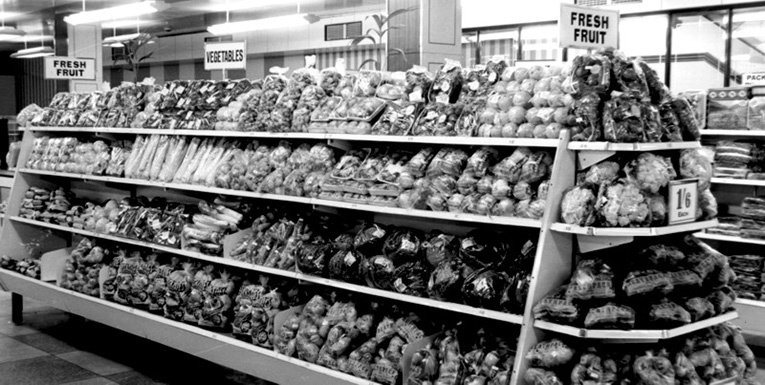
In the early 1950s, few people anticipated the coming revolution in food retail. The system of daily shopping and specialist shops seemed permanent. However, the seeds of change were already being sown. The increasing availability of refrigerators and the growing ownership of cars would soon make the weekly supermarket trip possible. The first self-service supermarkets were beginning to appear, and the convenience they offered would gradually erode the daily ritual. Contemporaries likely expected the future to be more of the same, but the reality was a rapid transformation that would make the corner shop and the daily trip a thing of the past.
How Historians See It Today
Modern historians view the 1950s shopping experience as a transitional period. It was the tail end of a century-old system of retail, which was about to be upended by the supermarket. Historians see the daily shopping trip as a key element of the social fabric of the time, reinforcing community ties and gender roles. The housewife’s role as the primary shopper is seen as a reflection of the broader social conformity of the decade, where women were expected to be homemakers. The shift to supermarkets is now understood not just as a change in retail, but as a fundamental shift in daily life, social interaction, and the role of women in society. The primary sources from the era—the recollections of shoppers and the descriptions of shops—are invaluable for understanding this lost world.
Common Misconceptions
Everyone in the 1950s had a refrigerator.
Only 15% of British homes had a fridge or freezer, which is why daily shopping was necessary.
Supermarkets were the main place to buy groceries.
The 1950s were the era of the specialist shop and the corner store. Supermarkets were rare or non-existent in many areas.
Shopping was a quick, impersonal errand.
The daily trip was a significant social event, providing opportunities for interaction and community bonding.
Shops were open all week.
Strict trading laws meant all shops were closed on Sundays, with the only exception being newsagents.
Related Primary Sources
- Nostalgia Central – Shopping in the 1950s: A comprehensive retrospective that includes details on shopping habits, shop types, and the social role of shopping.
- Historic UK – The 1950s Housewife: An article detailing the life of a housewife, including her role in shopping and household management.
- Starts at 60 – The simple joys of grocery shopping in the days before supermarkets: A personal recollection of the shopping experience, including details on butter and the corner store.
- H&F Libraries and Archives Blog – Shopping in the 1950s: An archival blog post with local history details, including Christmas Eve poultry auctions and Sunday closing laws.
The primary sources from the 1950s paint a vivid picture of a world that was on the cusp of change. The daily shopping ritual was a cornerstone of domestic life, a social necessity, and a reflection of the era’s values. The accounts of housewives, the descriptions of shopkeepers, and the details of daily routines all reveal a time when the personal was paramount, and the corner shop was the heart of the community. The sources teach us that the act of buying food was not just a transaction but a vital thread in the social fabric, a daily practice that connected people to their neighbours and their neighbourhood. The shift to the supermarket was not just a change in where we shopped, but a fundamental change in how we lived.
FAQ
Why did people shop every day in the 1950s?
Daily shopping was a necessity because only 15% of British homes had a refrigerator or freezer. Without adequate cold storage, perishable items like milk, butter, and meat had to be bought fresh and consumed quickly. Additionally, few households owned a car, so people relied on local shops within walking distance.
What kinds of shops did people visit?
Shoppers typically visited a network of specialist shops, including a baker for bread, a butcher for meat, a greengrocer for vegetables, a fishmonger for fish, and a provisions store for staples like butter, sugar, and flour. Many areas also had a general 'corner shop' for household items.
Were there supermarkets in the 1950s?
No, the supermarket era had not yet begun in Britain. The 1950s were the era of the specialist shop and the corner store. Self-service supermarkets were just beginning to appear and did not become widespread until the 1960s and 1970s.








Leave a Reply