
Short Answer
1. Quick Snapshot
Galveston, Texas, in 1900 was a booming port city on the Gulf of Mexico, known as the “Queen City of the Gulf.” With a population of nearly 38,000, it was the largest city in Texas and a vital hub for cotton export, shipping, and immigration. The city was prosperous, confident, and largely unprotected from the sea. On September 8, 1900, that confidence was shattered when a massive hurricane made landfall, bringing a storm surge that inundated the island and killed at least 6,000 people in a matter of hours. Contemporary reports—from the official weather observer Isaac Cline to the letters of survivors—capture the terror, destruction, and immediate aftermath of America’s deadliest natural disaster.
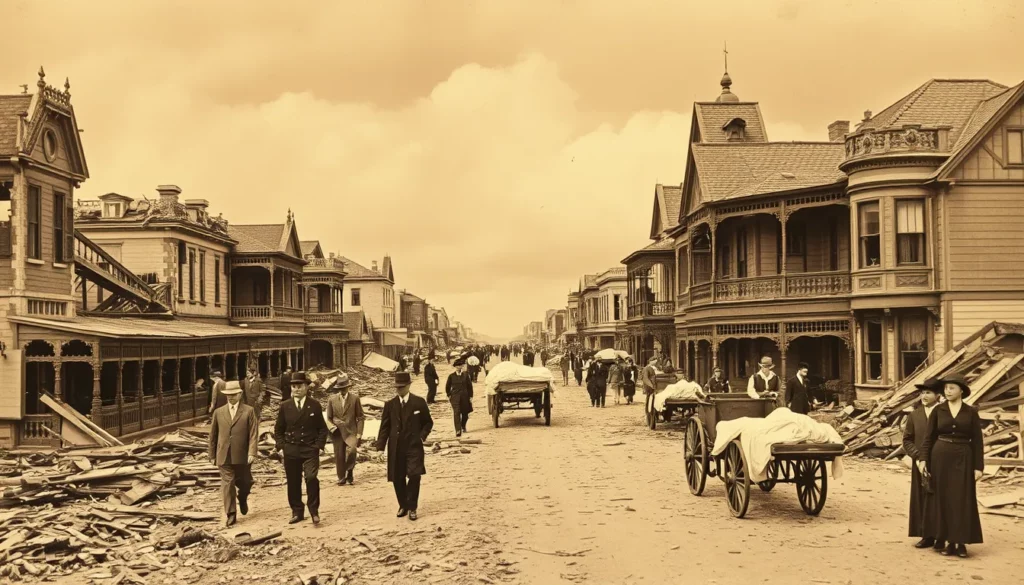
The storm destroyed thousands of buildings, cut off all communication, and left survivors struggling for food, water, and shelter. Newspapers and personal accounts describe a city in ruins, with corpses floating in the streets and vigilante justice imposed under martial law. The Galveston hurricane of 1900 remains a defining moment in American history, marking the end of the city’s golden age and the beginning of a new era of coastal engineering and disaster preparedness.
2. Galveston in 1900
Galveston Island is a narrow sand barrier about 30 miles long and 1.5 to 3 miles wide, running parallel to the Texas coast. The city occupied the eastern end of the island, facing the Gulf of Mexico to the south and Galveston Bay to the north. The bay, a shallow body of water covering nearly 500 square miles, provided a natural harbor, while the Gulf offered access to international trade. The climate was subtropical, with hot, humid summers and mild winters—ideal for mosquitoes and hurricanes alike. The highest point in the city was only about 8.7 feet above sea level, making it extremely vulnerable to storm surge.
In 1900, Galveston was a city of contrasts: elegant Victorian mansions and brick commercial buildings stood alongside wooden shanties and crowded tenements. The streets were paved with oyster shells and brick, and electric streetcars clanged along the avenues. The port was alive with the bustle of stevedores loading cotton bales onto ships bound for Europe and the Northeast. Yet beneath this prosperity lay a deep-seated vulnerability. Despite occasional calls for a seawall, no protective barriers existed. The city’s leaders believed that the Gulf was too shallow for a major hurricane, a fatal misconception that would be brutally corrected on September 8.
3. Population & Economy
According to the 1900 U.S. Census, Galveston had a population of 37,788, a 30% increase from 1890. The city was racially and ethnically diverse: white Americans of Anglo-Saxon descent, African Americans (many of them descendants of enslaved people), and a sizable immigrant community that included Germans, Irish, Italians, Greeks, and Russians. The port was the economic engine. Cotton was king—Galveston was the second-largest cotton port in the United States after New Orleans, exporting millions of bales annually. Other key industries included cottonseed oil mills, flour mills, breweries, lumberyards, and ship chandlers. The Strand, the city’s commercial artery, was lined with wholesalers, banks, and commission merchants.
Employment was plentiful for skilled workers, but the working class—longshoremen, cotton screwmen, draymen, and domestic servants—often struggled with low wages and seasonal unemployment. The cost of living was moderate: a loaf of bread cost about 5 cents, a dozen eggs 20 cents, and a modest rental house could be had for $10–$15 per month. The city’s growing middle class enjoyed the comforts of gas lighting, telephones, and indoor plumbing. However, the hurricane would devastate this economy, wiping out businesses, destroying infrastructure, and killing thousands of workers and employers alike.
4. Government & Politics
Galveston was governed by a mayor and a board of aldermen, elected by the city’s voters. In 1900, the mayor was Walter L. Williams, a Democrat who presided over a city government that was generally pro-business and focused on infrastructure improvements. The city was part of Galveston County, and local politics were dominated by the Democratic Party, though the Republican Party had a presence among African American and immigrant voters. The city had a reputation for political corruption and machine politics, but reform movements were beginning to gain traction.
The hurricane exposed the inadequacies of the existing government structure. In its aftermath, the city was placed under martial law, and the mayor and aldermen struggled to coordinate relief. In 1901, Galveston adopted a commission form of government—a radical innovation that placed executive and legislative power in the hands of five commissioners, each responsible for a specific department. This system, known as the Galveston Plan, was quickly copied by cities across the nation and marked the beginning of modern municipal reform.
5. Industry
The Port of Galveston was the city’s lifeblood. In 1900, it handled more than 2 million bales of cotton annually, along with grain, lumber, and manufactured goods. The harbor was deepened and protected by jetties, allowing large steamships to dock. The city was also a major railroad terminus: the Galveston, Houston & Henderson Railroad and the Gulf, Colorado & Santa Fe Railway connected the island to the mainland and the interior of Texas. Cotton compresses, where cotton bales were pressed for shipping, lined the waterfront. The Galveston Cotton Exchange set prices for the entire Southwest.
Other industries included the Galveston Brewing Company, the Texas Star Flour Mill, and several shipyards and machine shops. The city was also a center for banking and insurance, serving the agricultural and commercial interests of the region. The hurricane destroyed many of these businesses, including the cotton compresses, wharves, and warehouses. Rebuilding the port was essential to the city’s recovery, but the storm’s psychological blow—the realization that no enterprise was safe from the sea—lingered for decades.
6. Education
Galveston valued education, though opportunities were segregated by race. The public school system served white children, while African American children attended separate, underfunded schools. The Galveston High School, built in 1884, was a landmark of secondary education. The city was also home to the University of Texas Medical Branch (UTMB), founded in 1891, which was the first medical school in Texas. Its faculty and students played a crucial role in treating the injured after the hurricane. Additionally, several private academies and parochial schools operated in the city.
Literacy rates were relatively high for the era, with most white adults able to read and write, though illiteracy among African Americans and recent immigrants was more common. The Rosenberg Library, though not yet built (it opened in 1904), had its origins in the Galveston Library Association, which provided books to members. After the storm, schools were used as hospitals and morgues, and classes were suspended for weeks as the city struggled to regain normalcy.
7. Transportation
Getting around Galveston in 1900 was relatively easy, at least within the city. Electric streetcars, operated by the Galveston Electric Company, ran along major thoroughfares such as Broadway and The Strand. Horse-drawn carriages and wagons were still common, as were bicycles, which had become a craze in the 1890s. For longer journeys to the mainland, travelers could take a ferry across Galveston Bay or use the railroad bridge—a wooden trestle that carried trains from the island to the mainland. The bridge was destroyed by the hurricane, cutting off the city’s lifeline for days.
The port was the gateway to the world, with steamships from the Mallory Line, the Morgan Line, and other companies providing regular service to New York, New Orleans, and European ports. The hurricane wrecked the harbor, tossing ships onto land and sinking others at their docks. The railroad bridge and many wharves were rebuilt within a year, but the storm demonstrated the fragility of the city’s connection to the outside world.
8. Everyday Life
Daily life in Galveston before the storm was a mix of southern charm and urban bustle. Families lived in wooden or brick houses, many raised on pilings to protect against flooding—a practice that proved inadequate against the 1900 surge. Breakfast might consist of grits, eggs, and coffee; dinner featured Gulf seafood such as oysters, shrimp, and redfish, along with chicken, pork, and vegetables from local markets. Clothing followed Victorian norms: women wore long skirts, corsets, and hats, while men wore suits and ties, even in the summer heat. Leisure activities included visiting the beach at Bath Avenue, attending performances at the Grand Opera House, or enjoying a beer at one of the many saloons on Market Street.
Social life revolved around churches, fraternal organizations such as the Masons and Odd Fellows, and ethnic societies. Racial segregation was strictly enforced, with separate neighborhoods, schools, and public accommodations. After the hurricane, everyday life collapsed. Survivors scavenged for food and water, buried the dead, and cared for orphans. The storm also blurred social boundaries, as rich and poor alike lost everything. In the weeks that followed, the city slowly regained a semblance of order, but the trauma lingered.
9. Major Events
The defining event of 1900 in Galveston was, of course, the hurricane of September 8. It was the deadliest natural disaster in U.S. history, killing an estimated 6,000 to 12,000 people. The storm also had national and international implications: relief efforts came from across the country, and the U.S. Weather Bureau faced intense criticism for failing to predict the storm’s severity. Other events that year included the city’s continued growth and the opening of new businesses, but these were overshadowed by the catastrophe. The hurricane also influenced national politics, as the federal government began to take a more active role in disaster relief and weather forecasting.
10. What Newspapers Were Reporting
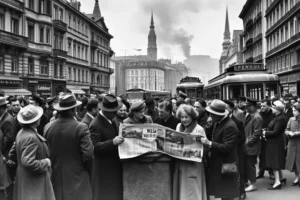
Newspapers in Galveston and around the country struggled to report the news initially, as telegraph lines were down and the city was isolated. The Galveston Daily News, the city’s leading paper, published its first post-storm edition on September 10. Headlines screamed of “THE STORM SWEPT CITY” and “THOUSANDS ARE DEAD.” The paper listed the missing and dead, provided relief information, and called for calm. Editorials urged citizens to bury the dead and rebuild. The New York Times and other national papers sent reporters, who described scenes of horror and heroism.
“The ruin which it wrought beggars description, and conservative estimates place the loss of life at the appalling figure, 6,000,” wrote Isaac M. Cline, the local Weather Bureau chief, in his official report. Cline’s account, published in the Monthly Weather Review, was one of the first detailed narratives to reach the outside world.
Survivor John D. Blagden, a Weather Bureau employee, wrote in a letter on September 10: “Every few minutes a wagon load of corpses passes by on the street. The City is under military rule and the streets are patrolled by armed guards.” Such firsthand testimony supplemented newspaper coverage, which often focused on relief efforts and the need for supplies.
11. What People Were Talking About
In the aftermath of the storm, rumors and debates swirled through the city. Survivors whispered of looters being shot by vigilantes—a claim later confirmed by Cline, who wrote of “the shooting of hundreds of looters by vigilantes.” Fear of famine was widespread, as Blagden noted: “A famine is feared, as nearly all the provisions were ruined by the water.” People debated whether the city should rebuild on the same site or move inland, and many questioned the Weather Bureau’s failure to issue a more urgent warning. Cline had advised people to prepare, but his warnings were often ignored. The storm also sparked conversations about the need for a seawall—a debate that would lead to the construction of the Galveston Seawall in 1902.
12. Historical Photographs
Photographs of the 1900 Galveston hurricane are among the most powerful visual records of the disaster. Photographers such as H. H. Morris and others captured images of shattered buildings, piles of debris, and corpses laid out for burial. These photographs were used to raise relief funds and to document the scale of the destruction. They show the ruins of the Tremont Hotel, the collapsed St. Mary’s Cathedral, and the wreckage of the railroad bridge. In addition to professional photographers, amateur snapshots by survivors provide intimate glimpses of the aftermath. The Rosenberg Library’s Galveston and Texas History Center holds a significant collection of these images. Together, they offer a sobering visual testimony to the storm’s fury and the resilience of the survivors.
13. Documents & Primary Sources
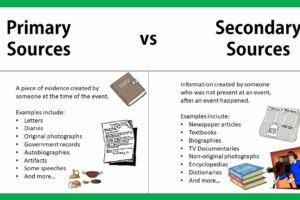
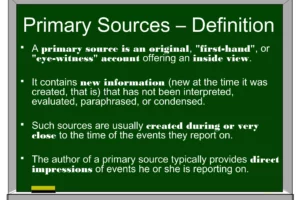
Historians rely on a rich array of primary sources to understand Galveston in 1900. Key documents include:
- Isaac M. Cline’s Special Report (Monthly Weather Review, September 1900): A detailed meteorological and personal account by the Weather Bureau chief.
- John D. Blagden’s Letter (September 10, 1900): Housed at the Rosenberg Library, this letter describes the scene at the Weather Bureau office and the devastation in the city.
- Survivor Oral Histories and Memoirs: Collected by the Rosenberg Library and other archives, these firsthand accounts provide personal perspectives.
- U.S. Census Records (1900): Offer demographic and economic data for Galveston.
- Newspaper Archives: The Galveston Daily News and other papers document the storm and its aftermath.
- Photographs and Maps: Visual records of the destruction and the city’s layout before and after the storm.
The Rosenberg Library’s Galveston and Texas History Center is the primary repository for these materials, and its collections remain essential for researchers.
14. 1900 Timeline
| Date | Event |
|---|---|
| January 1 | Galveston enters the new year as a prosperous port city, the largest in Texas. |
| September 7 | Heavy swells from the southeast are observed; Isaac Cline sends a warning telegram to Washington. |
| September 8 | Hurricane makes landfall in the early evening; storm surge inundates the island; thousands perish. |
| September 9 | Rescue efforts begin; martial law is declared; survivors search for loved ones. |
| September 10 | John D. Blagden writes his letter; relief supplies begin to arrive by boat. |
| September 11–30 | Bodies are collected and buried or burned; relief stations are established; rumors of looting lead to shootings. |
| October | Rebuilding begins; discussions of a seawall gain momentum. |
| December 31 | The year ends with Galveston scarred but determined to rebuild. |
15. What Changed Next
In the years following the 1900 hurricane, Galveston was transformed. The city constructed a 17-foot-high seawall along the Gulf side of the island, completed in 1904, and raised the grade of the entire city by pumping sand from the bay. These engineering marvels protected Galveston from future storms, though they came at great cost. The city also adopted the commission form of government in 1901, which became a model for municipal reform across the United States. Despite these efforts, Galveston’s economic dominance waned. Houston, which had been smaller, leveraged its inland location and railroad connections to surpass Galveston as Texas’s leading port. The 1900 storm marked the end of Galveston’s golden age and the beginning of a long, slow decline in its relative importance, even as its residents rebuilt with remarkable resilience.
16. Sources
- Cline, Isaac M. “Special Report on the Galveston Hurricane of September 8, 1900.” Monthly Weather Review, September 1900. Available at the National Weather Service Heritage website.
- Blagden, John D. Letter to family, September 10, 1900. Rosenberg Library, Galveston, Texas.
- Larson, Erik. Isaac’s Storm: A Man, a Time, and the Deadliest Hurricane in History. New York: Crown Publishers, 1999.
- “The 1900 Storm: Voices from the Storm.” 1900storm.com, accessed 2025.
- Rosenberg Library, Galveston and Texas History Center, 1900 Storm Collection.
FAQ
What was the population of Galveston in 1900?
The 1900 U.S. Census recorded a population of 37,788, making Galveston the largest city in Texas at the time.
What major events happened in Galveston in 1900?
The most significant event was the hurricane of September 8, 1900, which killed at least 6,000 people and destroyed most of the city. The storm led to martial law, relief efforts, and eventually the construction of a seawall.
What primary sources are available for studying Galveston in 1900?
Key sources include Isaac Cline's official weather report, John D. Blagden's letter, survivor oral histories, newspaper archives (Galveston Daily News), photographs, and census records. The Rosenberg Library in Galveston holds many of these materials.
How did daily life in Galveston in 1900 differ from today?
In 1900, Galveston had no seawall or modern hurricane warning system. Transportation relied on streetcars and horses, and communication was by telegraph. Society was segregated by race, and medical care was limited. The hurricane exposed the city's vulnerability and led to major engineering reforms.


Leave a Reply