Skip to content
AsTheySawIt.com
  • Home
  • Decades
  • Events
  • People
  • Places
  • Sources
  • Themes
  • Years

Recent Posts

  • Nine Days of Walking, Waiting and Rumour: Everyday Life in Britain During the General Strike of 1926
  • Martha Gellhorn: Reporting War from Spain to Normandy
  • Vienna Under Four Flags: Occupation, Hunger, and the Divided City, 1945–1955
  • How to Verify a Viral Historical Photograph Before Citing It
  • Singapore in 1965: Everyday Life in a Newly Independent Nation

Recent Comments

No comments to show.

Archives

  • November 2026
  • October 2026
  • August 2026
  • July 2026

Categories

  • Decades
  • Events
  • People
  • Places
  • Sources
  • Themes
  • Years

Events

Major occurrences documented by contemporary accounts.

The Fall of Phnom Penh: The Khmer Rouge Takeover, April 17, 1975

The Fall of Phnom Penh: The Khmer Rouge Takeover, April 17, 1975

August 2, 2026 | Events | Jerry S. Green

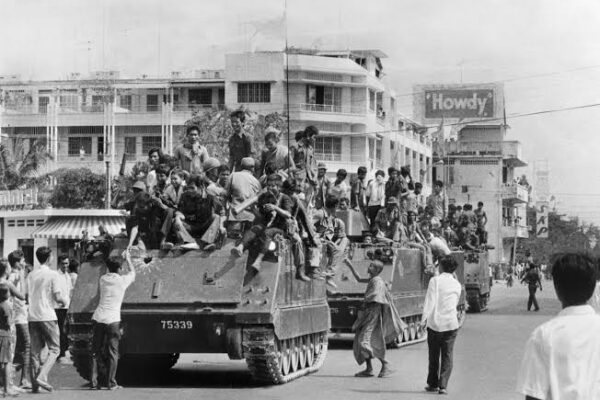
Drawing on contemporary wire reports, newspaper coverage, and eyewitness photographs, this article reconstructs the day the Khmer Rouge captured Phnom Penh and forced two million residents into the countryside—the moment that ended Cambodia’s civil war and began one of the 20th century’s worst genocides.
Read More →
The Defenders’ D-Day: How the German Wehrmacht Saw the Fall of the Atlantic Wall

The Defenders’ D-Day: How the German Wehrmacht Saw the Fall of the Atlantic Wall

August 2, 2026 | Events | Jerry S. Green

Drawing on the German 716th Infantry Division’s operations report and Hitler’s Directive No. 51, this article reconstructs D-Day from the defenders’ perspective—revealing the confusion, the surprise, and the miscalculations that doomed the Atlantic Wall.

Read More →
Shattered Hopes: The UN and the West’s Response to the Hungarian Revolution of 1956

Shattered Hopes: The UN and the West’s Response to the Hungarian Revolution of 1956

August 2, 2026 | Events | Jerry S. Green

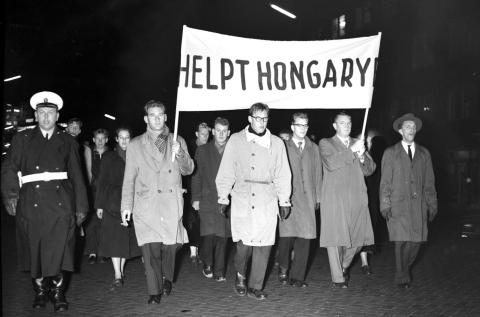
Drawing on declassified UN records, British Foreign Office documents, and Hungarian archival materials, this article reconstructs how the United Nations and the Western powers responded to the Hungarian Revolution of 1956 — and how Hungarians who placed their hopes in the international community experienced a profound disillusionment.

Read More →
Exercise Tiger: The Forgotten D-Day Rehearsal Disaster Through Survivor Accounts

Exercise Tiger: The Forgotten D-Day Rehearsal Disaster Through Survivor Accounts

August 2, 2026 | Events | Jerry S. Green

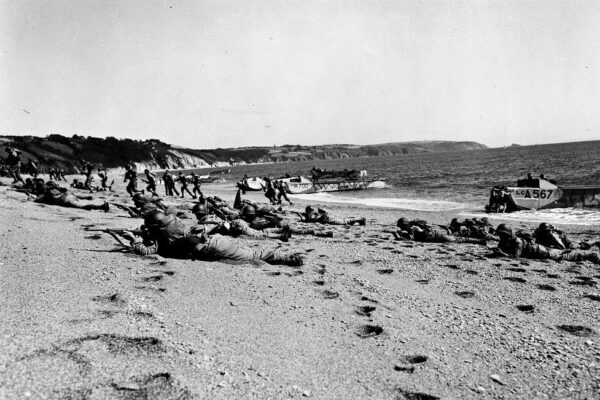
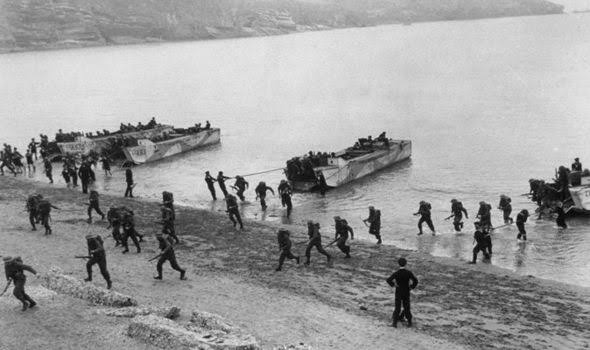
In the early hours of April 28, 1944, German E-boats torpedoed three American LSTs during a top-secret rehearsal for D-Day. Drawing on the testimony of survivors Douglas Harlander and Richard Ferguson, this article reconstructs the disaster, the military’s cover-up, and the decades of silence that followed.

Read More →
The Partition of India in 1947: Voices from the Refugee Trains

The Partition of India in 1947: Voices from the Refugee Trains

August 2, 2026 | Events | Jerry S. Green

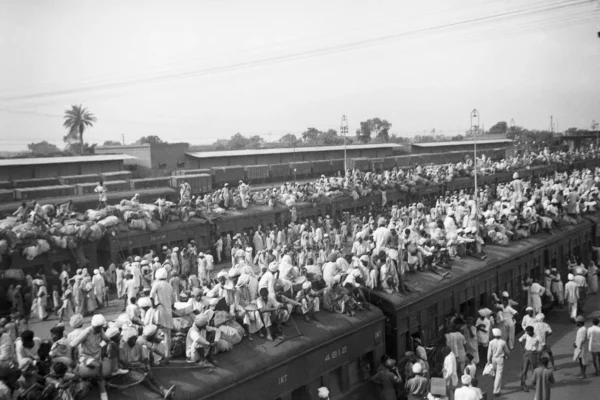
Drawing on oral histories, diaries, and contemporary reports, this article reconstructs the human catastrophe of the 1947 Partition as experienced by the millions who fled by train, revealing fear, loss, and resilience.

Read More →
One Giant Leap for Humanity: How the World Reported the Moon Landing

One Giant Leap for Humanity: How the World Reported the Moon Landing

August 2, 2026 | Events | Jerry S. Green

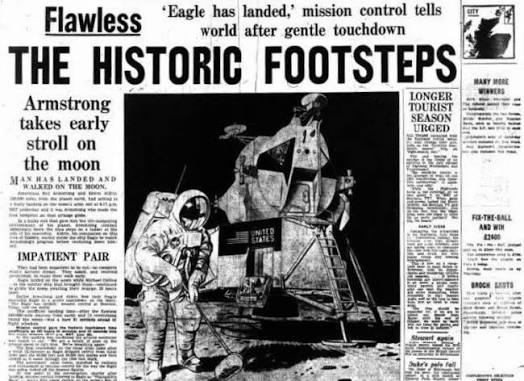
Drawing on the USIA’s official report to President Nixon, TIME magazine’s coverage, and eyewitness accounts, this article reconstructs how the Apollo 11 Moon landing was reported, experienced, and understood by 650 million people around the world in July 1969.

Read More →
The Vietnam War Through Contemporary Sources: Reporting, Protest, and Memory

The Vietnam War Through Contemporary Sources: Reporting, Protest, and Memory

August 2, 2026 | Events | Jerry S. Green

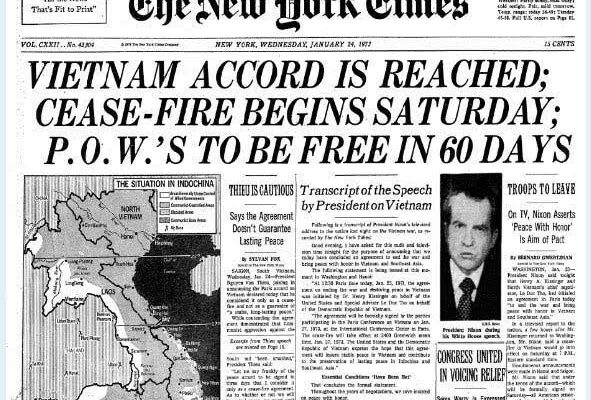
Drawing on letters, diaries, newspapers, and oral histories, this article reconstructs the Vietnam War as it was experienced and reported at the time—by soldiers, journalists, protesters, and Vietnamese civilians—and traces how memory has shifted since.

Read More →
Letters from the Front: How Correspondence Reveals the Human Experience of World War I

Letters from the Front: How Correspondence Reveals the Human Experience of World War I

August 1, 2026 | Events | Jerry S. Green

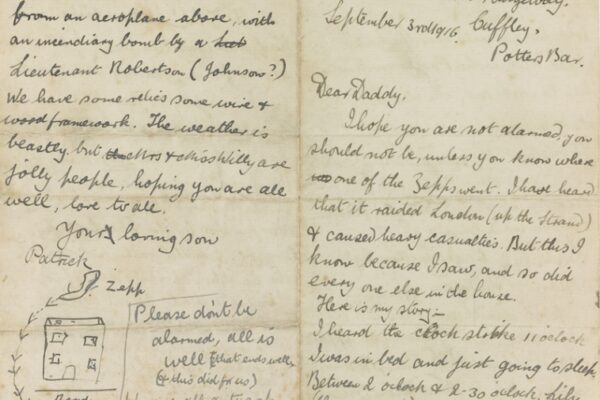
Drawing on the millions of letters exchanged between soldiers and civilians during World War I, this article explores how correspondence sustained morale, circumvented censorship, and now offers historians an intimate window into the emotions and realities of wartime life.

Read More →
Katanga’s Breakaway: Copper, Mercenaries, and the Fight for Congo’s Richest Province

Katanga’s Breakaway: Copper, Mercenaries, and the Fight for Congo’s Richest Province

August 1, 2026 | Events | Jerry S. Green

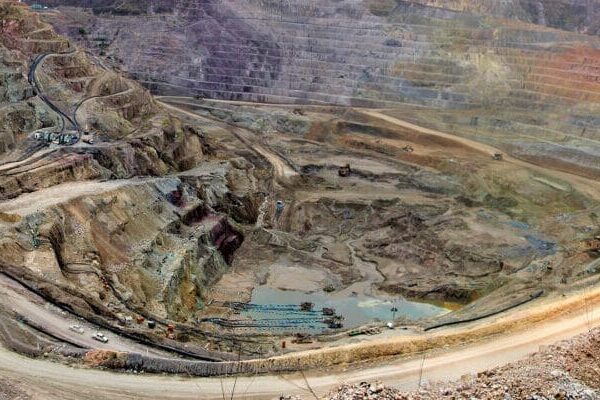
Drawing on contemporary reports and archival records, this article reconstructs the Katanga secession of 1960–63, when a mineral-rich province broke away from the newly independent Congo under Moïse Tshombe, backed by Belgian advisers and mercenaries.

Read More →
The Red Scare of 1919–1920: How the Press and Public Saw the Fear of Bolshevism

The Red Scare of 1919–1920: How the Press and Public Saw the Fear of Bolshevism

August 1, 2026 | Events | Jerry S. Green

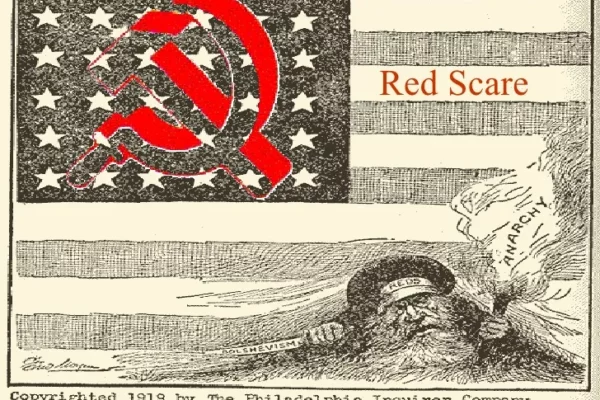
Drawing on contemporary newspapers, letters, and official reports, this article reconstructs how Americans experienced the Red Scare of 1919–1920, when fears of a Bolshevik revolution swept the nation and the press both fueled and reflected the panic.

Read More →

Posts pagination

← Previous 1 … 12 13 14 15 16 … 28 Next →

About This Site

History Through the Eyes of Those Who Lived It

Recent Articles

  • How Historians Evaluate Conflicting Accounts
  • How Propaganda Should Be Read as a Historical Source
  • How Photographs Become Historical Evidence
  • How to Read Old Letters and Diaries
  • How to Use Historical Newspapers as Primary Sources
  • How Reliable Are Eyewitness Accounts of Historical Events?
  • How Eyewitness Accounts Help Us Understand History
  • Primary Sources vs Secondary Sources: What Is the Difference?
  • How to Read Primary Sources Like a Historian
  • What Is a Primary Source? A Guide to Historical Evidence
  • Nine Days of Walking, Waiting and Rumour: Everyday Life in Britain During the General Strike of 1926
  • Martha Gellhorn: Reporting War from Spain to Normandy
  • Vienna Under Four Flags: Occupation, Hunger, and the Divided City, 1945–1955
  • How to Verify a Viral Historical Photograph Before Citing It
  • Singapore in 1965: Everyday Life in a Newly Independent Nation
  • Home
  • Privacy Policy
  • About Us
  • Contact Us
  • Disclaimer
  • Terms of Service
© 2026 AsTheySawIt.com. All rights reserved. Powered by WordPress