
Short Answer
Quick Snapshot
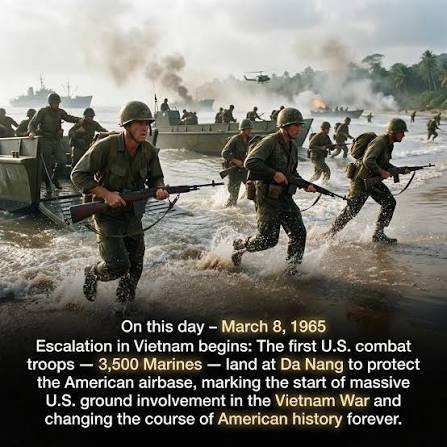
In 1965, South Vietnam stood at the precipice of a full-scale war. The United States, alarmed by the weakening of the South Vietnamese government and the growing influence of the Viet Cong, dramatically increased its military presence. On March 8, 1965, the first U.S. combat troops—nearly 5,000 Marines—came ashore at Da Nang, marking a turning point in the conflict. By year’s end, over 38,000 Marines alone were stationed in the country, and the U.S. bombing campaign against North Vietnam, Operation Rolling Thunder, was in full swing.
Politically, South Vietnam was in turmoil. A series of coups and counter-coups had plagued the government, and in June, General Nguyễn Văn Thiệu and Air Marshal Nguyễn Cao Kỳ seized control, establishing a military regime that would last for years. Meanwhile, the civilian population endured the daily realities of war—curfews, displacement, and the constant threat of violence. The country was a patchwork of secure cities and contested countryside, with the Viet Cong controlling large rural areas.
For the American public, 1965 was a year of growing involvement and rising dissent. A majority of Congress and the public initially supported the war, but protests, especially on college campuses, began to swell. The year set the stage for a long, costly conflict that would reshape both Vietnam and the United States.
South Vietnam in 1965
Geographically, South Vietnam stretched from the Central Highlands down to the Mekong Delta, a tropical country with a monsoon climate. The capital, Saigon, was a bustling city of wide boulevards, French colonial architecture, and a growing American presence. Da Nang, in the north, was a major port and airbase. The country’s rural areas were a patchwork of rice paddies, rubber plantations, and dense jungle, where the Viet Cong moved with ease.
The atmosphere in 1965 was one of anxiety and uncertainty. The South Vietnamese government, led by a series of unstable regimes, struggled to maintain control. The U.S. Embassy and military command, under General William Westmoreland, worked to bolster the Saigon government while planning a massive troop buildup. The bombing of North Vietnam, which began in February, brought the war to the North for the first time, but it also hardened Hanoi’s resolve.
For ordinary South Vietnamese, daily life was disrupted by military operations, checkpoints, and the ever-present threat of attacks. Cities like Saigon experienced an influx of refugees from the countryside, straining housing and services. The war was not just a distant event; it was woven into the fabric of everyday existence.
Population & Economy
The population of South Vietnam in 1965 was estimated at around 15 million, with a majority living in rural areas. The economy was primarily agricultural, dominated by rice cultivation, rubber, and fishing. However, the war had a profound impact on economic life. The U.S. military presence brought a flood of dollars, creating a service economy in cities like Saigon and Da Nang, but also fueling inflation. The cost of living rose sharply, and many rural families were displaced by fighting.
Unemployment was high in the cities, but the war also created jobs in construction, services, and the military itself. The South Vietnamese government, heavily reliant on U.S. aid, struggled to fund its operations. The economy was also affected by the bombing of North Vietnam, which disrupted traditional trade routes. The black market thrived, as did corruption, which was a constant problem in the South Vietnamese government.
Government & Politics
South Vietnam’s political landscape in 1965 was chaotic. The year began with a civilian government under Prime Minister Trần Văn Hương, but it was weak and faced constant challenges from the military. In February, a group of generals led by Nguyễn Khánh attempted a coup, but it failed. In June, General Nguyễn Văn Thiệu and Air Marshal Nguyễn Cao Kỳ took power in a bloodless coup, establishing a National Leadership Committee with Thiệu as chairman and Kỳ as prime minister. Their regime, known as the “Young Turks,” was more stable but still authoritarian.
The United States exerted significant influence over South Vietnamese politics, pressuring leaders to implement reforms and fight more effectively. President Lyndon B. Johnson authorized the bombing campaign and the deployment of ground troops, but he also pushed for political stability. The U.S. ambassador, Maxwell Taylor, was a key figure in these efforts. The political climate was tense, with frequent rumors of coups and internal rivalries.
Industry
South Vietnam’s industry was limited, but the war spurred growth in certain sectors. The U.S. military built vast logistics networks, including ports, airfields, and supply depots. Da Nang and Cam Ranh Bay became major military hubs. The construction industry boomed, as did the service sector. There were also small manufacturing enterprises in Saigon, producing textiles, beverages, and consumer goods. However, the war disrupted traditional industries like rubber production, as plantations were often located in contested areas. The fishing industry also suffered due to security concerns.
One of the most visible industries was the military itself, which employed hundreds of thousands of South Vietnamese in the armed forces and support roles. The U.S. military also employed local workers as laborers, interpreters, and clerks. These jobs offered relatively high wages, attracting rural migrants to the cities.
Education
Education in South Vietnam in 1965 faced enormous challenges. The war disrupted schooling, especially in rural areas where the Viet Cong controlled territory. Many schools were destroyed or closed, and teachers were often drafted or fled. In the cities, however, education continued, with the University of Saigon and other institutions operating. Literacy rates were relatively high compared to other Southeast Asian countries, but the quality of education was uneven. The government prioritized education as a tool for nation-building, but resources were limited. U.S. aid supported some educational programs, including textbooks and teacher training.
In 1965, the government introduced reforms to expand primary education, but the security situation hampered progress. Many young men were conscripted into the military, further depleting the teaching workforce. The war also created a generation of refugees, many of whom had limited access to schooling.
Transportation
Transportation in South Vietnam was a mix of modern and traditional. The country had a network of roads, many in poor condition due to the war and lack of maintenance. The National Highway 1 connected major cities, but it was often unsafe due to Viet Cong ambushes. Railways, once a vital link, were frequently sabotaged and unreliable. Rivers and canals were important for trade, especially in the Mekong Delta, where boats were the primary mode of transport.
The U.S. military dramatically improved infrastructure, building new ports, airfields, and roads. Da Nang’s port was expanded, and Tan Son Nhut airport near Saigon became one of the busiest in the world. Military convoys, helicopters, and aircraft became common sights. For civilians, travel was risky, and checkpoints were common. Many people relied on bicycles, motorbikes, and buses, but the war made movement difficult.
Everyday Life
Daily life in South Vietnam in 1965 was shaped by the war. In cities like Saigon, people went about their routines, but with a sense of urgency. Curfews were common, and the sound of aircraft and explosions was never far away. Housing ranged from French-style villas to crowded slums. Food was abundant in the cities, with markets selling rice, vegetables, and tropical fruits. Traditional Vietnamese clothing, such as the áo dài, was still worn, but Western styles were becoming popular among the youth.
Entertainment included cinemas, cafes, and music. American culture was increasingly present, with U.S. troops bringing rock and roll and other influences. However, the war also brought tragedy: many families lost loved ones, and the constant threat of violence created a sense of precariousness. In rural areas, life was even harder, with villagers caught between the Viet Cong and government forces. Many were forced to leave their homes, becoming refugees in the cities.
Major Events
Several key events defined South Vietnam in 1965. On February 7, Viet Cong forces attacked a U.S. helicopter base at Pleiku, killing nine Americans. President Johnson ordered retaliatory airstrikes against North Vietnam. On February 13, he authorized Operation Rolling Thunder, a sustained bombing campaign. On March 8, the first U.S. combat troops—Marines of the 9th Marine Expeditionary Brigade—landed at Da Nang. In June, the Thiệu-Kỳ coup took place, establishing a new military government. The U.S. continued to escalate its involvement, with troop numbers rising from about 23,000 at the start of the year to over 180,000 by December.
The South Vietnamese government also faced internal challenges, including the Buddhist crisis, which had simmered since 1963. In 1965, there were protests and self-immolations by monks, but the new military regime suppressed dissent. The war expanded, with major battles like the Ia Drang Valley in November, which saw the first large-scale engagement between U.S. and North Vietnamese regular forces.
What Newspapers Were Reporting
Newspapers in South Vietnam, both Vietnamese and English-language, were dominated by war news. The Saigon Daily News and Times of Vietnam reported on military operations, political changes, and the American buildup. U.S. newspapers like The New York Times and Washington Post covered the escalation, with headlines about the first Marine landings, the bombing campaign, and the growing anti-war movement. A typical headline might read: “U.S. Marines Land in South Vietnam to Protect Da Nang Air Base” or “Johnson Orders Sustained Bombing of North Vietnam.”
The press also reported on the political instability, with stories about the coup in June. There were also reports on the human cost of the war, including civilian casualties and refugee flows. The media played a crucial role in shaping public opinion, both in Vietnam and abroad.
What People Were Talking About
Based on letters, diaries, and reports, South Vietnamese and Americans in 1965 were talking about the war’s progress, the effectiveness of the bombing, and the stability of the government. Many South Vietnamese were skeptical of the U.S. commitment, while others welcomed the protection. American soldiers wrote home about the harsh conditions, the difficulty of identifying the enemy, and the support of some locals. In the U.S., debates raged about the wisdom of escalating the war, with college campuses becoming centers of protest.
There were also conversations about the political future of South Vietnam, with many hoping the new military regime would bring stability. The Buddhist community expressed concerns about religious freedom and government corruption. The war’s impact on daily life—shortages, inflation, and displacement—was a common topic. People also talked about the possibility of a negotiated settlement, but the positions of Hanoi and Washington seemed irreconcilable.
Historical Photographs
The visual record of South Vietnam in 1965 is extensive, thanks to military photographers and journalists. Iconic images include the U.S. Marines landing at Red Beach near Da Nang on March 8, with troops wading ashore under the watchful eyes of Vietnamese civilians. Other photographs show U.S. helicopters in action, soldiers patrolling rice paddies, and the bustling streets of Saigon with American military vehicles. The Marine Corps history includes many such photos, capturing the buildup and the daily life of troops.
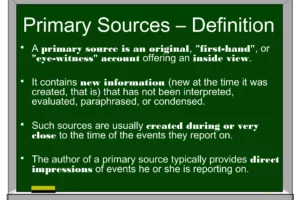
Photographs also document the human cost: refugees fleeing their villages, wounded soldiers, and the devastation of bombing. The images are powerful primary sources that convey the atmosphere of the time. They show the contrast between the modern American military and the traditional Vietnamese countryside, and they preserve the faces of people caught in a conflict not of their making.
Documents & Primary Sources
Historians studying South Vietnam in 1965 have a wealth of primary sources. The Foreign Relations of the United States series, specifically Volume II for Vietnam, January–June 1965, contains diplomatic cables, memoranda, and meeting minutes that reveal U.S. policy decisions. The Marine Corps history, U.S. Marines in Vietnam: The Landing and the Buildup, 1965, provides detailed operational accounts and photographs. The PBS Battlefield: Vietnam timeline offers a chronological overview with key dates and events.
Other sources include South Vietnamese government records, captured Viet Cong documents, and personal letters and diaries of soldiers and civilians. Newspaper archives, both Vietnamese and American, are invaluable. The National Archives in the U.S. holds military records, while the National Archives of Vietnam in Ho Chi Minh City has some materials. Oral histories, such as those collected by the Vietnam Center and Archive at Texas Tech University, offer personal perspectives.
1965 Timeline
| Date | Event |
|---|---|
| January 1 – February 7 | Viet Cong attacks across South Vietnam, including a raid on Binh Gia, killing 200 South Vietnamese troops. |
| February 7 | Attack on U.S. helicopter base at Pleiku; U.S. retaliatory airstrikes on North Vietnam. |
| February 10 | Bombing of a hotel in Qui Nhon kills 23 U.S. servicemen. |
| February 13 | President Johnson authorizes Operation Rolling Thunder. |
| March 8 | U.S. Marines land at Da Nang, the first U.S. combat troops. |
| June 12 | Nguyễn Văn Thiệu and Nguyễn Cao Kỳ take power in a coup. |
| November 14–18 | Battle of Ia Drang, first major engagement between U.S. and North Vietnamese regular forces. |
| December | U.S. troop strength reaches over 180,000. |
What Changed Next
The events of 1965 set the stage for a prolonged and bloody conflict. The U.S. continued to escalate its military presence, reaching over 500,000 troops by 1968. The South Vietnamese government, under Thiệu and Kỳ, became more stable but remained dependent on U.S. support. The bombing of North Vietnam intensified, and the war expanded into neighboring Laos and Cambodia. The Tet Offensive in 1968 would shock the American public and lead to a gradual withdrawal. For South Vietnam, the years after 1965 brought more destruction, but also a brief period of relative stability before the final collapse in 1975.
The year 1965 marked the point of no return for the United States, as the conflict became an American war. The consequences were profound, affecting millions of Vietnamese and reshaping U.S. foreign policy for decades.
FAQ
Why did the U.S. escalate its involvement in Vietnam in 1965?
The U.S. escalated because the South Vietnamese government was losing ground to the Viet Cong, and U.S. advisors believed that only a direct military intervention could prevent a communist takeover. The Bundy-McNamara memorandum of January 1965 stated that the U.S. had reached a 'fork in the road' and had to escalate or withdraw. The attack on Pleiku in February 1965 provided the immediate trigger for the bombing campaign and the introduction of ground troops.
What was Operation Rolling Thunder?
Operation Rolling Thunder was a sustained U.S. bombing campaign against North Vietnam, authorized by President Johnson on February 13, 1965. It continued until 1968 and was intended to destroy North Vietnamese military infrastructure, reduce the flow of supplies to the Viet Cong, and break the enemy's will to fight. However, it did not achieve these objectives and became one of the most controversial aspects of the war.
How many U.S. troops were in Vietnam by the end of 1965?
By the end of 1965, the number of U.S. military personnel in South Vietnam had grown to over 180,000, up from about 23,000 at the beginning of the year. This rapid increase marked the transition from an advisory role to a full-scale ground combat role.




Leave a Reply